
Pests
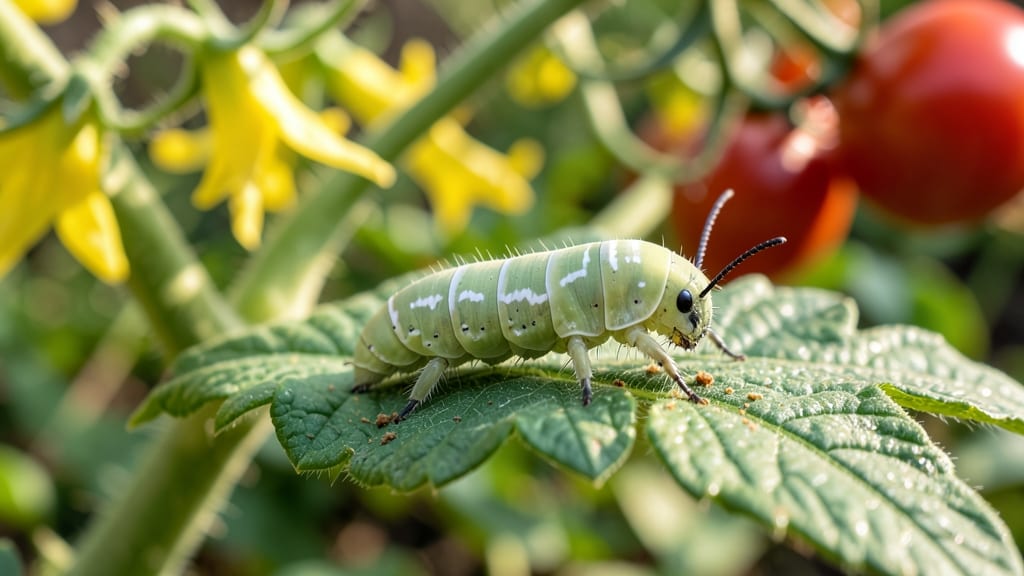
How to eliminate tomato worms can feel like a losing battle—until you try this one-step organic spray that stops them dead in their tracks. 🌱 I’ve battled hornworms and tomato fruitworms for years, and this simple mix of neem oil and insecticidal soap is the game-changer I wish I’d known sooner. It’s not just about killing pests; it’s about protecting your harvest without harsh chemicals.
The secret lies in two ingredients you can find at any garden center: neem oil (which disrupts their feeding) and insecticidal soap (which smothers them on contact). Mix them together in a spray bottle, apply in the early morning or evening when bees aren’t active, and reapply every 5–7 days.
Within a week, you’ll see fewer holes in your leaves—and more tomatoes on the vine.
This method works fast, but the real magic happens when you combine it with preventive habits. Handpick any remaining worms you spot (they’re big enough to see!), rotate crops next season, and plant basil or marigolds nearby—they naturally repel these pests.
Your plants will bounce back stronger, and you’ll enjoy a harvest that’s actually worth bragging about.
Whether you’re growing in a backyard garden, raised beds, or containers, this spray adapts to any setup. The best part? It’s safe for your family, pets, and the beneficial insects that keep your garden thriving. Let’s get those worms under control—without sacrificing your tomatoes in the process.
Root Causes Of Tomato Worms
Tomato worms—those pesky, green caterpillars that devour your plants overnight—don’t just appear out of nowhere. Understanding the why behind their infestation is the first step to stopping them. Here’s a breakdown of the key factors that turn your garden into their all-you-can-eat buffet.
Tomato worms thrive in dense, crowded foliage because thick leaves create the perfect hiding spot. When plants are packed too closely together, airflow is restricted, and humidity rises—ideal conditions for pests like the tomato hornworm (Manduca sexta) and tobacco hornworm (Manduca sexta variants).
- Why it happens: Overcrowding stresses plants, making them more vulnerable to attacks. Weakened stems and leaves become easier targets for hungry larvae.
- Actionable insight: Space tomato plants 18–24 inches apart to improve airflow and reduce hiding spots. Prune lower leaves to keep foliage open and dry.
Tomato worms start as eggs—tiny, pale green ovals—laid by adult moths on the undersides of leaves. A single female moth can deposit up to 2,000 eggs in one night! These eggs hatch in 3–7 days, releasing voracious caterpillars that strip plants bare in days.
- Why it happens: Moths are attracted to healthy, lush tomato plants. If your garden is a thriving buffet, they’ll drop by to lay eggs.
- Actionable insight: Inspect leaves daily (especially at dawn) for eggs. Remove and crush any you find—no eggs = no worms.
Debris, fallen leaves, and plant residues provide shelter and food for overwintering moths. If your garden isn’t cleaned up after harvest, moths return the next season, ready to restart the cycle.
- Why it happens: Organic matter like mulch or old plant stems can harbor moth pupae, which emerge as adults when conditions warm up.
- Actionable insight: Remove all plant debris in fall and early spring. Rotate crops yearly to disrupt moth life cycles.
Tomato worms target stressed or nutrient-deficient plants because they’re easier to overpower. If your soil lacks nitrogen, potassium, or organic matter, your tomatoes become weak, attracting pests like a neon sign.
- Why it happens: Healthy plants produce bitter-tasting leaves, which deter some pests. Malnourished plants, however, are soft and sweet—a worm’s dream.
- Actionable insight: Test soil pH (aim for 6.0–6.8) and amend with compost or balanced fertilizer. Avoid overwatering, which weakens roots.
Tomato worms love heat and moisture. In regions with long, hot summers (like the Southeast U.S.), moths reproduce faster, leading to multiple generations per season.
- Why it happens: Warmth speeds up their life cycle—eggs hatch quicker, larvae grow faster, and moths emerge sooner.
- Actionable insight: Use row covers or shade cloth in peak summer to reduce heat stress on plants and deter moths.
Some plants attract tomato worms (like basil or dill), while others repel them (like marigolds or garlic). If your garden lacks pest-deterring companions, worms move in unchecked.
- Why it happens: Moths are drawn to strong floral scents (e.g., fennel, parsley) that mask tomato plants.
- Actionable insight: Interplant tomatoes with basil, onions, or thyme to confuse moths. Avoid planting near basil or dill, which attract them.
In a balanced ecosystem, birds, parasitic wasps (Cotesia congregata), and ladybugs keep tomato worm populations in check. But if your garden lacks biodiversity, worms multiply unchecked.
- Why it happens: Pesticides (even organic ones) can kill beneficial insects, leaving worms with no competition.
- Actionable insight: Encourage predators by planting native wildflowers and avoiding broad-spectrum sprays. Install birdhouses near your garden.
Key Takeaway: Tomato worms don’t just happen—they’re the result of environmental cues, plant health, and garden neglect. By addressing these root causes, you’ll make your garden less inviting and more resilient. Next up: How to break the cycle with organic, one-step solutions. 🌿💥
Practical Fixes for Tomato Worms
Tomato worms—those pesky green caterpillars—can turn your lush tomato plants into a chewed-up mess in no time. 🌱🐛 But don’t worry! With the right strategies, you can eliminate them organically and protect your harvest.
Below, we’ve mapped out targeted solutions based on the root causes (from the previous section) and paired them with prevention tips to keep your garden worm-free.
Best for: Early infestations, small gardens, or when you spot worms on leaves. How to do it:
- 👨🍳 Scout daily—Check plants in the morning (worms are sluggish then).
- 🔪 Drop them in soapy water—Fill a bucket with water + a few drops of dish soap and drown them instantly.
- 🌅 Time it right—Pick after dew dries (worms are easier to spot and less likely to squirm away).
Prevention tip: 💡 Shake plants gently over a bucket of soapy water every few days to catch hidden eggs or larvae before they hatch.
Best for: Larger gardens, prevention, or when handpicking isn’t enough. 3 DIY recipes that work:
| Spray | Ingredients | How to Use |
|---|---|---|
| Neem Oil Spray | 1 tbsp neem oil + 1 tsp mild soap + 1 gallon water | Spray evening/early morning (avoid direct sun). Reapply every 5–7 days. |
| Garlic-Chili Spray | 4 garlic cloves + 1 tbsp cayenne pepper + 1 quart water | Blend, strain, and spray on leaves. Worms hate the smell and avoid treated plants. |
| Potato Leaf Spray | 1 cup chopped potato leaves + 1 gallon water | Steep overnight, strain, and spray. Contains solanine, a natural repellent. |
Pro tip: 🌡️ Spray undersides of leaves—that’s where worms hide! Use a fine mist for even coverage.
Best for: Long-term solutions, eco-friendly gardens, or when sprays aren’t practical. Top 3 allies:
- 🐞 Parasitic Wasps (Braconid Wasps)—Lay eggs inside tomato hornworm larvae, killing them from within. Order online and release near infested plants.
- 🐸 Frogs & Toads—Natural predators! Attract them with a shallow water dish and hiding spots (like flat rocks).
- 🐦 Birds—Encourage chickadees and sparrows by adding a bird feeder nearby.
Prevention tip: ✨ Plant companion flowers like marigolds or basil—they repel pests and attract beneficial insects.
Best for: Seedlings, greenhouses, or when you want a no-spray approach. DIY methods:
- 🧶 Row Covers—Use floating row covers (lightweight fabric) over young plants to block moths from laying eggs.
- 🥫 Beer Traps—Bury a cup filled with beer near plants. Worms are drawn to the smell and drown.
- 🍅 Collar Barriers—Wrap cardboard collars around stems to prevent worms from reaching fruits.
Pro tip: 🎯 Remove fallen leaves/debris—Worms pupate in soil, so keep the garden tidy!
- 🚨 Immediate action: If you see holes in leaves or worms on fruits, act within 24 hours to stop the spread.
- 🌱 Prevention mode: Start neem oil sprays or companion planting before moths appear (early spring).
- 🔄 Repeat as needed: Most organic sprays last 5–7 days—reapply after rain or every week for severe infestations.
Final thought: The key is consistency—combine handpicking, sprays, and prevention for the best results. With these methods, your tomato plants will stay worm-free and thriving! 🍅✨
Frequently asked questions
How do I know if my tomato plants have worms?
Look for large green caterpillars (up to 4 inches long) on leaves or stems, or check for chewed holes in leaves and fruits. Early signs include black droppings on foliage or missing leaf sections. Inspect undersides of leaves at dawn—they’re sluggish then and easier to spot.
Is neem oil safe for my tomato plants?
Yes, when used correctly! Dilute 1 tablespoon of neem oil + 1 teaspoon mild soap per gallon of water and spray on evenings or early mornings to avoid harming bees. Neem oil is non-toxic to humans and pets once dried, but avoid overspraying fruits if you plan to eat them raw immediately.
How often should I reapply organic sprays?
Reapply every 5–7 days or after heavy rain, as effectiveness reduces when washed away. For severe infestations, consider daily checks and handpicking worms in between sprays. Consistency is key—worms can rebound quickly if treatment stops.
Will tomato worms come back next year?
Yes, if you don’t take preventive steps! Remove all plant debris in fall, rotate crops, and use row covers early in the season. Planting marigolds or basil nearby also deters moths. The key is breaking their life cycle—don’t let overwintering pupae survive in soil.
Can I use chemical pesticides instead?
While chemical pesticides like Bt (Bacillus thuringiensis) are effective, they kill all caterpillars, including beneficial ones. Organic methods target only tomato worms while preserving your garden’s ecosystem. If you choose chemicals, use them as a last resort and follow label instructions carefully.