
Pests
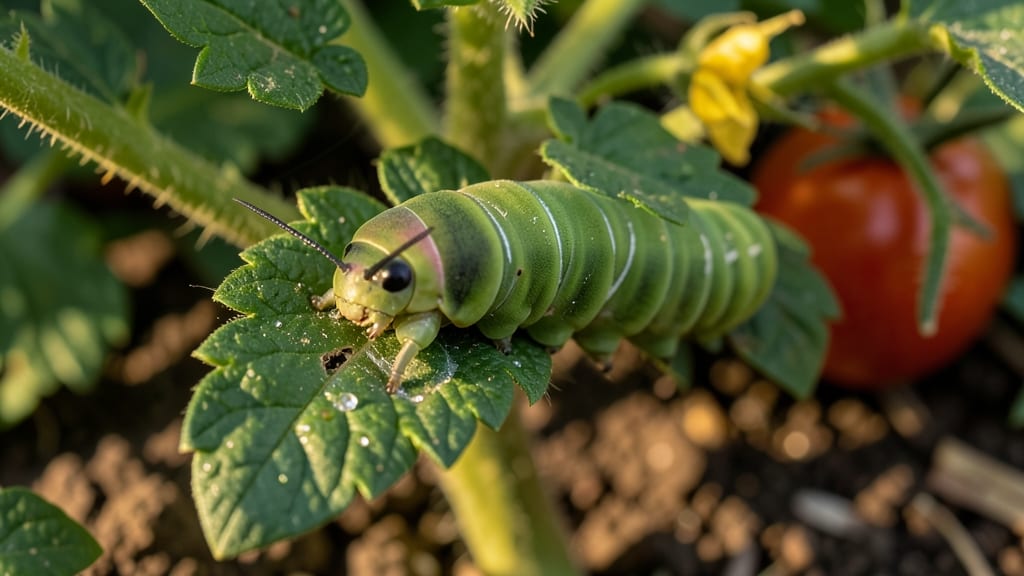
Worms on tomato plant leaves can turn a thriving harvest into a sad sight in days. 🌱 I’ve watched my tomato plants go from lush and green to skeletonized in just a few hours—hornworms are sneaky, and they don’t care if you’re planning a summer of fresh salsa.
The good news? You don’t need harsh chemicals to save your plants. With the right approach, you can keep your tomatoes healthy and worm-free without sacrificing your garden’s ecosystem.
Most of the time, the culprits are hornworms, cutworms, or even tomato fruitworms, all of which love munching on leaves and stems. The key is acting fast—handpicking worms in the morning (when they’re sluggish) or introducing natural predators like parasitic wasps can make a huge difference.
Neem oil is another foolproof organic solution that disrupts their life cycle without harming your plants or the soil.
Prevention starts before the worms arrive: companion planting with basil or marigolds deters pests, and a simple row cover can block eggs from hatching. I’ve also had success with homemade sprays—just mix water, dish soap, and a little cayenne pepper for a non-toxic deterrent.
The goal is to keep your plants strong enough to fight back while giving those hungry worms a one-way ticket out of your garden.
Don’t let a few worms ruin your season—these fixes work whether you’re dealing with a small infestation or a full-blown attack. The sooner you act, the sooner you’ll be back to enjoying those juicy, vine-ripened tomatoes.
Here’s how to tackle it step by step, so you can get back to growing instead of fighting.
Root Causes Of Leaf-Eating Worms
If you’ve spotted worms munching on your tomato plant leaves, it’s usually a sign of one or more unwanted visitors taking up residence in your garden. These pests don’t just appear randomly—they’re drawn by specific conditions that make your plants a buffet.
Understanding why they show up is the first step to kicking them out for good. Below, we break down the most common culprits and the factors that invite them in.
Tomato plants thrive in spacious, well-ventilated environments, but when they’re planted too closely together, humidity and moisture get trapped. This creates the perfect worm paradise—especially for soft-bodied pests like:
- Tomato hornworms (giant green caterpillars that strip leaves overnight)
- Cutworms (nocturnal chewers that hide in soil by day)
- Loopers (tomato looper caterpillars) (curved, green pests that leave ragged edges)
Why it happens: Stagnant air slows evaporation, keeping foliage damp longer—ideal for egg-laying moths and worms. Overcrowding also stresses plants, making them less resistant to pest attacks. Solution preview: Prune for airflow and space plants 18–24 inches apart.
Healthy tomato plants repel pests naturally through tougher leaves and bitter-tasting foliage. But when plants are weakened—by disease, drought, or nutrient deficiencies—they become easy targets for worms. Common stress signals that attract pests:
- 🟢 Yellowing leaves (nitrogen deficiency or overwatering)
- 🟡 Wilting or curling (underwatering or fungal infections like early blight)
- 🔴 Spotted or mushy leaves (bacterial/fungal rot or pest damage)
Why it happens: Stressed plants produce more sugars in their leaves, making them sweeter and more appealing to chewing insects.
Additionally, open wounds (from hail, wind, or pruning) give worms easy entry points. Solution preview: Test soil pH, water deeply but infrequently, and fertilize with balanced organic matter (like compost tea).
In a balanced ecosystem, worms like tomato hornworms are kept in check by birds, parasitic wasps, and beneficial insects. But if your garden lacks these all-natural pest controllers, worm populations can explode. Common reasons predators disappear:
- 🚫 Overuse of chemical pesticides (kills both pests and their predators)
- 🏡 Urban/suburban gardens (fewer wild birds or insects)
- 🌱 Monoculture planting (too many tomatoes = less diversity for predator habitats)
Why it happens: Worms have few enemies when their predators are absent. For example, braconid wasps lay eggs inside hornworms, killing them—but if you’ve sprayed neonicotinoids, these wasps won’t visit. Solution preview: Plant companion flowers (like dill or fennel) to attract predatory wasps and ladybugs.
While mulch is great for soil health, thick, damp mulch layers can become a worm hotspot. Organic debris (like fallen leaves or grass clippings) also provides hiding spots and moisture for egg-laying adults. Pests that thrive here:
- Cutworms (bury themselves in mulch by day)
- Slugs & snails (lay eggs in moist mulch)
- Whiteflies (adults cluster on undersides of leaves near mulch)
Why it happens: Decaying organic matter releases heat and humidity, speeding up worm growth. Additionally, compacted mulch traps moisture against stems, encouraging fungal infections that weaken plants. Solution preview: Use straw or shredded leaves (instead of wood chips) and keep mulch 2–3 inches away from stems.
Next up: We’ll dive into how to identify the specific worm species feasting on your tomatoes—and what to do about them without chemicals.
Natural Ways to Remove Worms
Worms on your tomato plant leaves can feel like a nightmare, but don’t worry—there are effective, organic solutions to kick them out for good. Below, we’ve mapped out practical fixes based on the most common causes, from manual removal to long-term prevention. Let’s get your plants back to thriving!
---
If you spot worms (like tomato hornworms or cutworms) chewing away, act fast! 1. 👨🍳 Inspect daily – Check leaves early in the morning or evening when pests are most active.
2. 🔪 Snip & drop – Use clean scissors to cut off damaged leaves (don’t compost them—toss in a sealed bag). 3. 🌱 Prune strategically – Focus on lower leaves where pests hide, improving airflow and reducing humidity (which attracts worms).
✨ Pro Tip: If you’re squeamish, wear gloves! Worms can be slimy, but removing them by hand is the fastest way to stop damage.
---
For larger infestations, mix up a non-toxic spray to deter worms naturally:
| Solution | How to Make It | How to Apply | |----------------------------|--------------------------------------------|------------------------------------------| | Neem Oil Spray | 1 tsp neem oil + 1 tsp mild soap + 1 quart water | Spray evening/early morning (avoid direct sun).
Reapply every 5–7 days. | | Garlic & Chili Pepper Spray | 2 cloves garlic + 1 tbsp cayenne pepper + 1 quart water (steep 24 hrs, strain) | Spray directly on leaves (test on a small area first). | | Soap Spray | 1 tbsp castile soap + 1 quart water | Lightly coat leaves—avoid overuse (can harm plants). |
💡 Prevention Tip: Rotate sprays weekly to prevent resistance in pests.
---
Let nature do the work! Ladybugs, lacewings, and parasitic wasps love munching on tomato pests.
Here’s how to attract them: - 🌿 Plant companion flowers like marigolds, dill, or alyssum near tomatoes. - 🛒 Buy beneficial insects from garden centers and release them at dusk (they’re most active then). - 💦 Avoid pesticides – Even organic ones can harm these helpful bugs.
🎯 Long-Term Fix: A diverse garden ecosystem keeps worm populations in check naturally.
---
Worms thrive in moist, shady, or overcrowded conditions. Fix these issues to make your garden less inviting: - ⚡ Improve airflow – Space plants 18–24 inches apart and prune suckers regularly. - ☀️ Maximize sunlight – Tomatoes need 6+ hours of sun daily; move plants if shaded. - 💧 Water at the base – Avoid overhead watering (keeps leaves damp, attracting worms). - 🌱 Use row covers – Lightweight fabric can block egg-laying moths (common hornworm hosts).
🔥 Quick Fix: If you see chewed leaves at night, set up a flashlight check—many worms hide under leaves!
--- Once you’ve cleared the worms, keep them from returning with these easy habits: - 🌱 Rotate crops – Don’t plant tomatoes in the same spot yearly (worms remember!). - 🧹 Clean up debris – Remove old leaves, vines, and weeds where worms hide. - 🥬 Interplant with basil – Its strong scent repels tomato hornworms. - 📅 Monitor early – Start checking plants as soon as flowers appear (that’s when worms strike).
--- Final Thought: Worms may be a nuisance, but with consistent action, your tomato plants can bounce back stronger. Try one method this week—whether it’s a spray, predator release, or better airflow—and watch your garden thrive! 🍅✨
Frequently asked questions
What are the most common types of worms eating my tomato leaves?
You're likely dealing with tomato hornworms (giant green caterpillars), cutworms (nocturnal chewers), or tomato loopers (curved green pests). Hornworms are the most dramatic—they can strip a plant bare in 24 hours! Look for their distinctive white "horn" or black stripes. Cutworms hide in soil by day and attack at night, leaving ragged edges on leaves.
Are these worms harmful to my tomato plants?
Yes, they can be devastating if left unchecked. While a few worms won't kill your plant, heavy infestations strip leaves, weaken growth, and reduce fruit production. The worst offenders like hornworms can also chew through stems. Early intervention is key—remove them before they reach 2 inches long.
How do I safely remove worms by hand?
Wear gloves and check leaves early morning when worms are sluggish. Drop them into soapy water or crush them (they won't regenerate). For hornworms, look under leaves and along stems. Don't compost the worms—seal them in a bag instead. This method works best for small infestations before they multiply.
Will neem oil really work against tomato worms?
Yes, when used correctly! Neem oil disrupts worm feeding and growth. Mix 1 teaspoon neem oil + 1 teaspoon mild soap + 1 quart water and spray evening/early morning (avoid direct sun). Reapply every 5-7 days for best results. It's non-toxic to plants and beneficial insects if used properly.
Can I use companion planting to prevent future worm problems?
Plant basil, marigolds, or nasturtiums near your tomatoes—their strong scents repel hornworms. Basil also improves tomato flavor! You can also add dill or fennel to attract parasitic wasps that naturally control worm populations. This creates a balanced garden ecosystem that keeps pests in check.