
How To
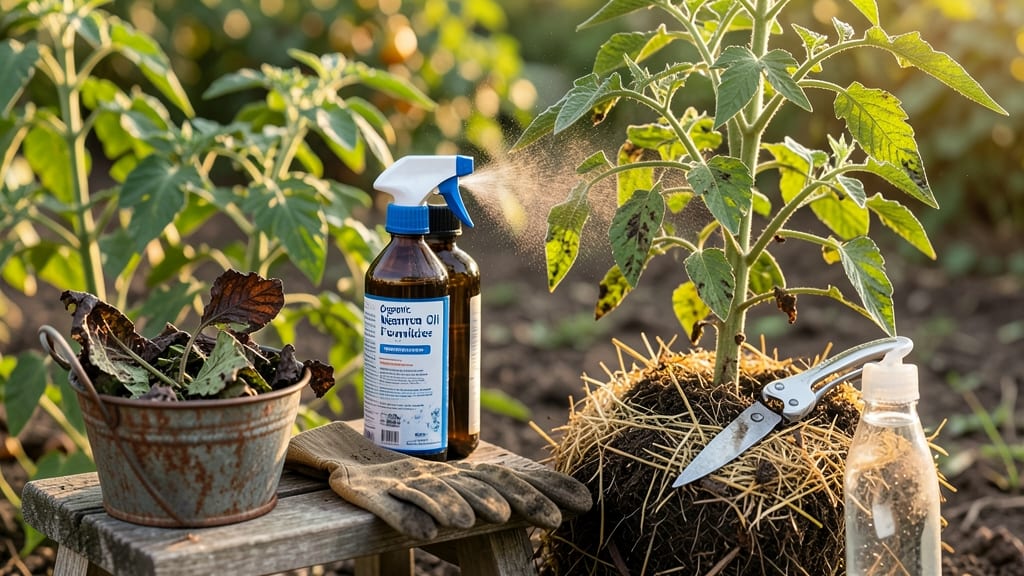
Blight on tomato plants turns vibrant green leaves into brown, crinkly messes within days. 🌱 I’ve lost entire harvests to it—until I learned these three blight-free rescue steps that stop the spread and save your plants. The key? Acting fast, because blight doesn’t wait.
First, you’ll need to identify the type: early blight (brown spots on lower leaves), late blight (dark, greasy patches), or bacterial spot (tiny, water-soaked lesions). Once you spot it, prune infected foliage immediately—don’t compost it, or you’ll reinfect next season.
Then, spray with a copper fungicide (for early/late blight) or baking soda mix (for bacterial spot) every 7–10 days until new growth appears. By the end of the week, you’ll see fresh, healthy leaves pushing through, and your tomatoes will rebound stronger than before.
The secret? Preventing recurrence—sterilize tools, rotate crops, and plant resistant varieties like ‘Mountain Merit’ or ‘Defiant PhR.’ Your garden will thank you.
Here’s the hard truth: blight thrives in crowded, humid conditions, so spacing plants 18–24 inches apart and watering at the base (not overhead) cuts its chances by half. If you’re dealing with late blight—the most aggressive type—remove entire infected plants to stop it from jumping to potatoes or peppers.
And yes, even organic gardens need a backup plan: keep a copper fungicide on hand for emergencies. The payoff? Blight-free tomatoes by midsummer, with fewer spots, stronger stems, and a harvest that lasts weeks longer. Start today—your future self (and your salsa) will be grateful.
Pro tip: Mark your calendar for late summer, when blight peaks. Set reminders to inspect plants weekly, especially after rain. And if you’re growing in containers, sterilize pots between seasons—blight spores hide in soil and strike fast.
With these steps, you’ll go from panicked pruning to confident gardening in no time.
Root Causes of Tomato Blight
Tomato blight isn’t just a random bad luck scenario—it’s a sneaky combination of fungal pathogens, environmental stress, and poor plant hygiene. Understanding these root causes is your first step toward prevention and treatment. Let’s break down the science behind why your tomato plants get blighted in the first place.
Blight on tomato plants is primarily caused by two types of fungi:
- Phytophthora infestans (late blight)
- Alternaria solani (early blight)
These fungi thrive in moist, warm conditions and spread rapidly when conditions are favorable. Here’s how they take hold:
- Phytophthora infestans (late blight) is the most aggressive and destructive. It produces spore-filled structures called sporangia that float on air currents or water droplets, infecting leaves, stems, and fruit.
Once inside the plant, it releases enzymes that break down cell walls, causing the characteristic dark, greasy lesions and rotting. - Alternaria solani (early blight) produces conidia, tiny spores that land on leaves and stems.
These spores germinate in warm, humid conditions, creating concentric rings of brown or black spots with yellow halos—a classic early blight signature.
Both fungi love high humidity (above 75%) and temperatures between 60–80°F (15–27°C). If your garden is a fungal buffet—wet foliage, poor airflow, and overlapping leaves—you’re basically rolling out the welcome mat.
Your tomato plants aren’t just fighting fungi—they’re also battling environmental conditions that weaken their defenses. Here’s how stress opens the door for blight:
- Overhead Watering 💦 Watering from above keeps leaves wet for long periods, creating ideal conditions for fungal spores to germinate. Unlike drip irrigation, which delivers water to the soil, overhead sprinklers turn your plants into fungal breeding grounds.
- Poor Air Circulation 🌬️ Crowded plants or dense foliage trap moisture and limit airflow. Fungi spread faster in stagnant, humid air. If your tomatoes are packed too closely or you’re growing them in shaded spots, you’re inviting blight to move in.
- Extreme Temperatures ❄️☀️ Sudden temperature swings—like cool nights followed by warm days—stress plants, making them more susceptible to infection. Early blight thrives in these conditions, while late blight loves prolonged cool, wet weather (think foggy mornings or rainy summers).
- High Humidity 🌧️ Humidity above 75% for more than 10 hours a day is a red flag. Fungal spores don’t just need moisture—they need it to stay moist. If your garden feels like a sauna, your tomatoes are at high risk.
You might be doing everything right—watering correctly, spacing plants properly—but if you’re not practicing good garden hygiene, blight will still find a way in. Here’s how:
- Contaminated Tools or Soil 🌱 Fungal spores can linger in soil, compost, or even on pruners, stakes, or gloves. If you’ve had blight before, the pathogens might still be hiding in your garden beds or tools, waiting for the right moment to strike again.
- Infected Plant Debris 🍂 Leaving behind diseased leaves, stems, or fruit is like leaving a buffet for fungi. Blight spores can survive in old plant material for months, ready to reinfect next season. Always clean up and destroy infected debris—don’t compost it!
- Cross-Contamination from Other Plants 🌿 Blight can jump from tomatoes to potatoes, peppers, or even eggplants. If you’ve had blight in one part of your garden, check nearby plants for early signs of infection.
- Ignoring Early Signs 🚨 Many gardeners wait until blight is obvious—large lesions, wilting, or rotting fruit—before acting. By then, the fungi have already spread. Catch it early, and you can stop it in its tracks.
Even the hardiest tomato plants can fall prey to blight if their immune systems are compromised. Here’s what weakens them:
- Nutrient Deficiencies 🍽️ Plants low in potassium, phosphorus, or nitrogen are more susceptible to disease. A quick soil test can reveal if your tomatoes are malnourished. Healthy soil = stronger plants = better blight resistance.
- Physical Damage 💥 Wounds from hail, pests (like hornworms or aphids), or rough handling create entry points for fungi. Always handle plants gently and protect them from extreme weather.
- Over-Fertilizing with Nitrogen 🌱 Too much nitrogen promotes lush, weak growth that’s prone to disease. Balance your fertilizer with phosphorus and potassium to build stronger, more resilient plants.
- Stress from Transplanting or Grafting 🌿 Recently transplanted or grafted tomatoes are under stress and more vulnerable to infection. Give them time to recover before exposing them to high-risk conditions.
Blight doesn’t happen in a vacuum—it’s the result of a perfect storm of pathogens, environment, and poor practices. But now that you know the why, you’re armed to fight back. Next up: how to stop it before it starts.
How to Fix Tomato Blight Fast
Blight on your tomato plants doesn’t have to mean the end of your harvest—with the right steps, you can revive your plants and prevent future outbreaks. Below are targeted solutions based on the most common causes of blight, from early signs to full-blown infections.
Follow these practical, garden-tested fixes to save your tomatoes and keep your garden thriving.
If you catch blight early (yellowing leaves, small brown spots), act fast to stop it from spreading.
🔥 Remove Infected Leaves Immediately
- Use sterilized pruners (wipe with rubbing alcohol) to snip off only the affected areas—never compost them (they’ll reinfect your garden).
- Focus on lower leaves first, as they’re most vulnerable to splashing water.
🌡️ Boost Airflow Around Plants
- Space plants 18–24 inches apart to reduce humidity (blight loves damp conditions).
- Remove weeds and debris near the base—these trap moisture and spores.
✨ Apply a Copper Fungicide Spray
- Mix 1 tbsp baking soda + 1 quart water + a few drops of dish soap (or use a store-bought copper fungicide like Bonide).
- Spray under leaves (where spores hide) every 5–7 days until new growth appears.
If your plants are heavily spotted, wilting, or covered in mold, you’ll need a multi-step cleanup to save what’s left.
🔪 Destroy All Infected Plant Material
- Burn or bag (not compost!) every infected leaf, stem, and fruit—even if it looks "mostly healthy."
- Remove and replace mulch near the base (it may harbor spores).
👨🍳 Fungicide Deep Treatment
- Neem oil (1 tsp per quart of water + soap) or organic fungicides (like Serenade Garden or Copper Soap) work best for late blight.
- Spray at dusk (avoid direct sun) and reapply after rain.
🌱 Switch to Disease-Resistant Varieties Next Season
- Plant heirloom blight-resistant tomatoes like:
- ‘Defiant PhR’ (hybrid, highly resistant)
- ‘Cherokee Purple’ (less susceptible)
Stop blight before it starts with these long-term strategies:
🎯 Water Wisely (The #1 Blight Trigger)
- Water at the base (not overhead) with a drip irrigation system or soaker hose.
- Avoid late-day watering—wet leaves overnight = blight buffet.
🌡️ Space for Sun & Air
- Trellis your tomatoes to improve airflow (blight thrives in crowded, shady spots).
- Prune suckers regularly to keep plants open and dry.
🔥 Rotate Crops & Soil Care
- Don’t plant tomatoes in the same spot two years in a row (soil-borne spores linger).
- Add compost to boost plant health—stronger plants fight disease better.
🛡️ Protective Barriers
- Row covers (floating fabric) early in the season block spores from landing.
- Reflective mulch (aluminum foil or silver plastic) confuses pests and reduces stress.
If your plants are beyond saving (blackened stems, no new growth), pull them immediately to prevent spread. Then: 1. Solarize the soil (cover with clear plastic for 4–6 weeks in summer to kill spores).
- Plant a cover crop (like clover) to improve soil health before replanting.
- Wait until next season—blight spores can survive in soil for years.
Remember: Blight is manageable, not hopeless. With quick action, proper spacing, and smart watering, you’ll be back to juicy, blight-free tomatoes in no time. 🍅💪
Frequently asked questions
What’s the difference between early blight and late blight on tomatoes?
Early blight shows as brown, concentric-ring spots on lower leaves with yellow halos—it’s less aggressive but spreads slowly. Late blight appears as dark, greasy-looking patches that spread rapidly to stems and fruit, often in cool, wet weather. The key difference? Late blight destroys plants faster and can jump to potatoes.
Will copper fungicide harm my tomato plants if I use it too often?
No, copper fungicides are safe when used as directed—just apply every 7–10 days during outbreaks. Overuse can cause minor leaf burn, but it’s rare with proper dilution (1 tbsp per gallon of water). Always spray in the early morning or evening to avoid leaf damage from sun exposure.
Can I still save my tomatoes if the stems are black and mushy?
Unfortunately, once stems turn black and mushy (a sign of late blight), the plant is beyond saving. Remove it immediately to prevent spread, then sterilize your tools and solarize the soil. For next season, choose blight-resistant varieties like ‘Defiant PhR’ and avoid planting tomatoes in the same spot for 3+ years.
How do I know if my tomato blight is fungal or bacterial?
Fungal blight (early/late) shows as dry, brown spots with defined edges, while bacterial spot appears as tiny, water-soaked lesions that ooze when wet. Fungal blight thrives in humidity; bacterial spot spreads via splashing water. Test with a baking soda spray—if it helps, it’s likely fungal.
Is it safe to eat tomatoes from blighted plants?
Only if the fruit is unblemished and the plant shows no stem rot. Cut off any spotted areas before eating, but avoid tomatoes from plants with blackened stems or severe leaf damage. Late blight can make fruit toxic—when in doubt, toss it.