
Companion Plants
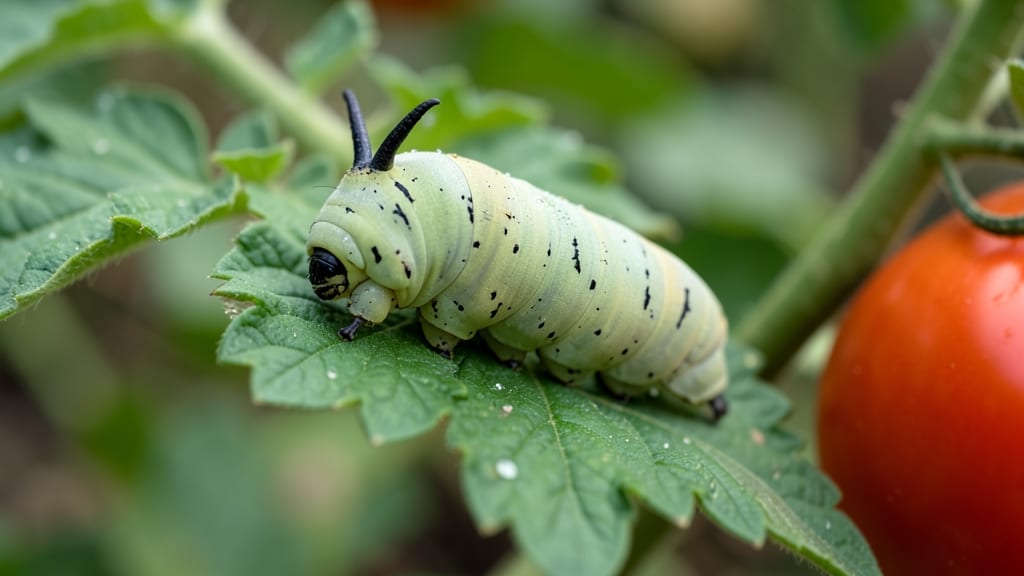
Finding a huge caterpillar on your tomato plant can feel like a nightmare—until you realize it’s probably a tomato hornworm, nature’s most dramatic-looking garden pest. 🌱 These striped munchers can strip a plant bare overnight, but they’re also a sign your garden’s ecosystem is thriving.
The key? Spotting them early and acting fast without harming your tomatoes or the beneficial insects that keep your garden balanced.
Most gardeners panic and reach for chemical sprays, but the best solutions are simple and eco-friendly. I’ve learned that a quick manual removal (drop them in soapy water) or inviting natural predators like parasitic wasps works better than anything you can buy.
The trick is to check your plants twice a week—especially after dark, when these caterpillars are most active.
With the right approach, you can protect your tomatoes without disrupting your garden’s balance. You’ll see fewer holes in leaves, more flowers, and healthier fruit—all while keeping your garden’s food chain intact. The secret is acting early, staying consistent, and letting nature do most of the work.
This works for all tomato varieties, whether you’re growing in containers, raised beds, or the ground. Let’s keep those caterpillars in check the natural way—your plants (and your sanity) will thank you.
The Real Culprits Behind Big Tomato Munchers
Finding a huge caterpillar devouring your tomato plants can feel like a nightmare—especially when you’ve spent weeks nurturing those lush vines. But before you panic, it’s crucial to understand why these pests show up in the first place. The truth?
These hungry invaders are drawn to your garden for very specific reasons, often tied to biology, environment, and even your gardening habits. Let’s break down the key factors that turn your tomato plants into a caterpillar buffet.
Tomato plants produce a natural chemical signal when their fruit is ripe, damaged, or even just stressed. This scent acts like a dinner bell for caterpillars, especially species like the hornworm or tomato fruitworm. Here’s why:
- Sugar and Volatile Compounds: Ripe tomatoes release sugars and volatile organic compounds (VOCs) that caterpillars can detect from yards away. These chemicals are essentially a scent trail leading straight to an easy meal.
- Physical Damage as a Trigger: If birds, hail, or even your own harvesting leave bruises or punctures on tomatoes, the plant’s defensive response (including scent signals) can increase the attractiveness to pests.
- Night-Blooming Flowers: Many tomato pests, like the tomato hornworm, are drawn to flowers that bloom at night (e.g., jasmine or evening primrose). These flowers emit fragrances that caterpillars’ moth parents use to locate egg-laying spots.
Actionable Tip: 💡 Harvest overripe tomatoes promptly and remove fallen fruit from the ground. If you notice small holes in tomatoes, pick them immediately—this disrupts the caterpillar’s feeding cycle.
Caterpillars aren’t just hungry—they’re also opportunistic ambush predators. Thick, unpruned tomato plants offer the perfect camouflage, allowing caterpillars to:
- Evade Birds and Lizards: A lush canopy makes it harder for natural predators (like praying mantises or toads) to spot them. Caterpillars blend into the leaves, stems, and even the soil surface.
- Regulate Humidity: Dense foliage traps moisture, creating a microclimate that many caterpillar species prefer. High humidity slows down beneficial insects (like ladybugs) but keeps pests thriving.
- Access Multiple Food Sources: A single plant with abundant leaves and fruit means caterpillars don’t have to wander far for meals. This is why you might find multiple caterpillars on one plant.
Actionable Tip: 🌡️ Prune strategically—remove lower leaves that touch the soil (where eggs are often laid) and thin out crowded branches to improve airflow. This makes it harder for caterpillars to hide and dries out their favorite microhabitats.
Most tomato-loving caterpillars start life as tiny eggs laid by adult moths. If you’ve ever wondered, “Where did these caterpillars come from?” the answer is often right under your nose—or more accurately, on your nose. Here’s how it happens:
- Nocturnal Egg-Laying: Moths like the tomato hornworm moth are most active at night. They lay eggs on the undersides of leaves, where they’re nearly invisible until the caterpillars hatch in 3–5 days.
- Host Plant Preference: Tomato plants (especially those in the Solanaceae family) release specific chemical cues that moths use to identify ideal egg-laying spots. If your garden has other solanaceous plants (like peppers or eggplants), it becomes a magnet for moths.
- Slow Garden Rotation: If you plant tomatoes in the same spot year after year, moth populations build up in the soil and nearby plants. This creates a “legacy effect” where pests return annually.
Actionable Tip: ✨ Inspect leaves daily (especially at dawn) for tiny eggs or newly hatched caterpillars. Use a flashlight to check the undersides of leaves—early detection means fewer caterpillars later. Rotate crops every 2–3 years to break the moth life cycle.
Caterpillars are cold-blooded, meaning their growth rate depends entirely on temperature. Here’s how climate plays a role:
- Ideal Temperature Range: Most tomato pests thrive in 70–85°F (21–29°C). Within this range, they grow rapidly, molting every 7–10 days and reaching “huge” sizes in weeks.
- Extended Growing Seasons: In warmer climates (or with row covers), tomato plants stay lush longer, giving caterpillars a continuous food source from spring to fall.
- Nighttime Warmth: Even slight heat retention (from dark soil or plastic mulch) can keep caterpillars active all night long, accelerating their development.
Actionable Tip: 🔥 Use reflective mulch (like aluminum foil or silver plastic) to raise soil temperatures too high for moths to lay eggs—many avoid surfaces above 90°F (32°C). Alternatively, plant tomatoes in cooler microclimates (e.g., near shade trees) to slow pest activity.
Now that you know why these caterpillars show up, the next step is learning how to outsmart them—stay tuned for natural control methods that work without chemicals!
Natural Solutions for Tomato Plant Pests
Finding a huge caterpillar munching on your tomato plants can be alarming, but the good news is that many effective, eco-friendly solutions exist. The key is identifying the culprit and acting quickly to protect your harvest.
Below, we’ve mapped out practical fixes for common caterpillar pests, along with prevention tips to keep your garden thriving.
---
Hornworms (often green with white stripes or black "horns") are notorious for devouring tomato leaves and fruit overnight. Here’s how to tackle them:
#### 🔥 Immediate Removal (Manual Control) - 👨🍳 Pick them off by hand—wear gloves if you’re squeamish!
Drop them into soapy water to kill them instantly. - 🕵️♂️ Check plants early in the morning when they’re sluggish and easier to spot. - 🌿 Inspect the undersides of leaves—this is their favorite hiding spot.
#### 🐝 Biological Control (Nature’s Pest Police) - 🐞 Introduce parasitic wasps (like Cotesia congregata), which lay eggs inside hornworms. These wasps are harmless to humans and plants! - 🐸 Encourage ladybugs and lacewings—they prey on young caterpillars. Plant dill, fennel, or yarrow nearby to attract them.
#### 🌱 Prevention for Next Season - 🌱 Plant basil or marigolds near tomatoes—their strong scent repels hornworms. - 🌱 Rotate crops annually to disrupt their life cycle. - 🌱 Use row covers early in the season to block egg-laying moths.
---
These pale green caterpillars burrow into tomatoes, causing rot and making fruit inedible. Act fast to save your harvest!
#### 🍳 Organic Sprays (Non-Toxic Defense) - 🌿 Neem oil spray (mix 1 tbsp neem oil + 1 tsp mild soap + 1 quart water). Spray every 5–7 days to disrupt their life cycle. - 🍎 Bacillus thuringiensis (Bt)—a natural bacteria that kills caterpillars when ingested.
Safe for humans and pets! - 🌿 Spinosad spray (derived from soil bacteria)—highly effective but reapply after rain.
#### 🔪 Physical Barriers (Keep Them Out) - 🍅 Cover young tomato plants with floating row covers until flowers appear (then remove to allow pollination). - 🥬 Handpick eggs (tiny yellow dots on leaves) and crush them before they hatch.
#### 💡 Prevention Tips - 🌱 Harvest tomatoes promptly—ripe fruit attracts egg-laying moths. - 🌱 Remove fallen fruit from the ground to eliminate hiding spots. - 🌱 Plant thyme or oregano nearby—their scent deters moths.
---
Armyworms (striped or solid green) move in groups, stripping plants bare in hours. They’re aggressive but beatable!
#### 🔪 Quick Action Steps - 🚨 Spot them early—look for chewed leaves with frass (caterpillar poop). - 🐛 Drop them in soapy water—they reproduce rapidly, so every one counts! - 🌿 Use a diatomaceous earth (DE) barrier around plants—it’s a natural abrasive that kills them on contact (reapply after rain).
#### 🐝 Biological & Cultural Controls - 🐞 Release praying mantises or chickens—they love armyworms! - 🌱 Plant garlic or chives nearby—their strong aroma repels them. - 🌱 Avoid over-fertilizing with nitrogen—it makes plants more attractive to them.
---
The best defense is a healthy, balanced garden that pests avoid naturally. Try these pro tips:
- 💡 Diversify your plantings—pests target monocultures.
Mix tomatoes with basil, onions, or nasturtiums. - 🌡️ Maintain garden hygiene—remove weeds and debris where pests hide. - 🎯 Water in the morning—wet leaves at night attract slugs and moths. - ✨ Use companion planting strategically: - Basil repels thrips and whiteflies. - Marigolds deter nematodes and aphids. - Nasturtiums trap aphids away from tomatoes.
--- Final Thought: A little daily monitoring and proactive care go a long way in keeping your tomato plants caterpillar-free. With these natural, chemical-free methods**, you’ll enjoy a bountiful harvest without harming the ecosystem! 🍅🌿
Frequently asked questions
Are those huge caterpillars on my tomatoes harmful to humans?
No, these caterpillars—like hornworms or tomato fruitworms—are not harmful to humans. They’re plant-eaters, not parasites. The only risk is if you accidentally ingest tiny hairs from some species (like hornworms), which can cause mild irritation. Always wash your hands after handling plants. The real concern is how quickly they can destroy your tomato harvest!
What’s the fastest way to get rid of them without chemicals?
For immediate results, handpick the caterpillars (drop them in soapy water) and prune heavily damaged leaves. For long-term control, introduce parasitic wasps (like Cotesia congregata) or use Bacillus thuringiensis (Bt) spray—it kills caterpillars within hours but is safe for humans and pets. Check plants twice weekly at dawn for best results.
Will my tomato plants recover if I remove the caterpillars?
Yes! Tomato plants are resilient. If you catch caterpillars early (before they skeletonize leaves), your plant will regrow foliage quickly. For heavy damage, prune back to healthy growth and fertilize lightly with compost tea to boost recovery. The key is acting fast—once a plant is stripped bare, it struggles to produce fruit. Remove all caterpillars and eggs immediately!
Can I use coffee grounds to repel these caterpillars?
Coffee grounds can help indirectly—their strong smell may deter some pests, but they’re not a reliable solution for caterpillars. For better results, mix 1 part coffee grounds with 2 parts diatomaceous earth and sprinkle around the base of plants. The DE dehydrates caterpillars on contact, while the coffee grounds mask plant scents that attract moths. Reapply after rain.
Why do I keep seeing caterpillars even after treating my plants?
Caterpillars reproduce rapidly—a single female moth can lay 200–300 eggs! If you’re still seeing them, check for new eggs (tiny yellow dots on leaf undersides) and reapply natural sprays like Bt every 5–7 days. Also, ensure you’re removing all caterpillars (even small ones) and cleaning up fallen fruit, which attracts egg-laying moths. Persistence is key!