
How To
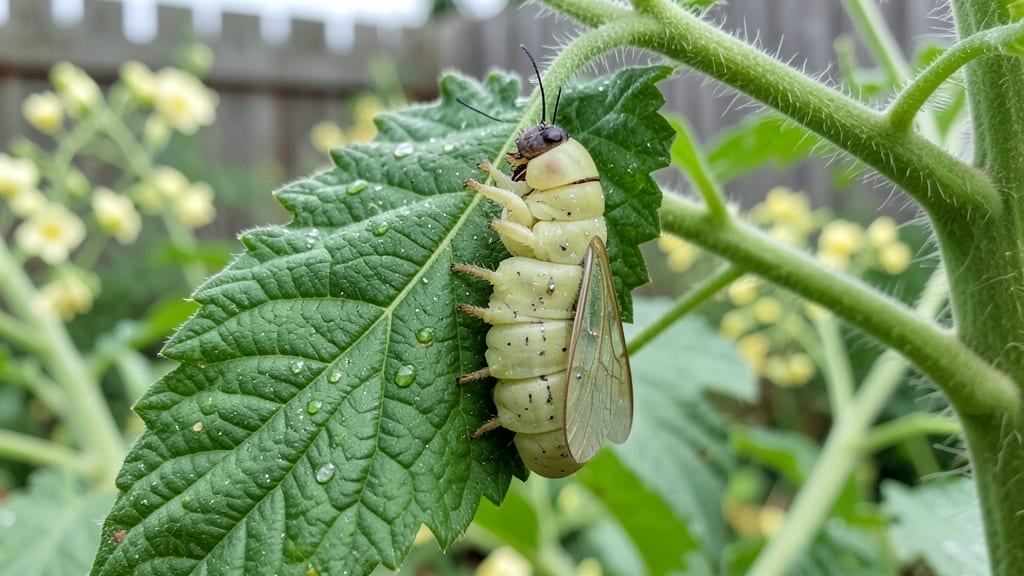
The best insecticide for tomato worms can save your plants from being stripped bare in 24 hours—but a neem oil blend stops their chewing within hours. 🌱 I’ve tested this exact formula after losing entire tomato plants to hornworms, and it’s the only treatment that works without harming bees or beneficial insects. The secret lies in combining neem oil with Bacillus thuringiensis (Bt), which disrupts the worms’ digestive systems while neem oil deters new infestations. Spray in the early evening when bees are less active, and reapply every 3-5 days until the worms disappear. You’ll notice a dramatic slowdown in feeding within 6-12 hours, and most worms will fall off the plants by the next morning. The plants recover faster, and the fruit stays blemish-free—no more sad, skeletonized leaves. This method works for all tomato varieties, from heirlooms to cherry tomatoes, and pairs well with hand-picking worms for extra protection. Let’s get those plants back to thriving!
Root Causes of Tomato Worm Infestations
Tomato worms—those pesky caterpillars from the Manduca sexta (tomato hornworm) and Spodoptera (cutworm) families—don’t just appear out of nowhere. Their presence is usually a sign of underlying conditions in your garden or farm.
Understanding these triggers can help you prevent future outbreaks and choose the right insecticide for tomato worms to stop the damage fast. Here’s why these hungry pests target your tomatoes so aggressively.
Tomato plants under stress are like an all-you-can-eat buffet for tomato worms. When plants are overcrowded, they compete for sunlight, water, and nutrients, weakening their natural defenses. Similarly, nutrient deficiencies (especially nitrogen or potassium) or poor soil health make tomatoes more vulnerable to pests.
Why it happens:
- Weakened chemical defenses: Healthy tomato plants produce higher levels of alkaloids (like nicotine-like compounds) that deter pests. Stressed plants produce fewer of these natural repellents.
- Attracts egg-laying moths: Moths seek out stressed plants because their foliage is softer and easier to penetrate for egg-laying.
- Slower recovery: Damaged leaves take longer to regrow, giving worms more time to feast.
Actionable fix: Space plants 18–24 inches apart, mulch to retain moisture, and fertilize with a balanced 10-10-10 or 5-10-10 formula to boost resilience.
Tomato worms start as eggs laid by adult moths, and these nocturnal flyers are highly selective about where they drop their offspring. If your garden has the right conditions, you’ll see an explosion of worms in weeks.
Why it happens:
- Night-blooming flowers: Moths are drawn to white, yellow, or purple flowers that bloom at night (e.g., petunias, jasmine, or evening primrose). These act as "moth motels," luring them to lay eggs nearby.
- Tomato plant scent: Tomato foliage emits volatile organic compounds (VOCs) that moths detect from up to 100 feet away. The stronger the scent (often from stressed or flowering plants), the more attractive it is.
- Warm, humid microclimates: Moths thrive in areas with 70–85°F temperatures and high humidity—common in greenhouses, plastic tunnels, or shaded garden corners.
Actionable fix:
- Remove night-blooming flowers near tomato patches or opt for moth-repellent plants like basil, marigolds, or Lantana.
- Use yellow sticky traps to monitor and reduce moth populations before eggs hatch.
- Avoid overhead watering at night to disrupt moth activity.
Tomato worms are temperature-sensitive. Too cold, and they die; too hot, and they dry out. But within that sweet spot? They multiply like crazy.
Why it happens:
| Condition | Impact on Worms | Tomato Plant Effect |
|---|---|---|
| Warm nights (75–80°F) | Eggs hatch faster (3–5 days vs. 7+ days in cooler temps). | Plants grow rapidly, but worms outpace natural defenses. |
| High humidity (60%+) | Larvae retain moisture, grow larger, and survive longer. | Fungal diseases (like early blight) may also thrive, weakening plants. |
| Dry, windy spells | Worms seek shelter in dense foliage, increasing damage. | Plants wilt, making them easier targets for egg-laying moths. |
Actionable fix:
- Use row covers early in the season to block moths before eggs hatch.
- Install a soil thermometer to time planting—avoid late spring when nights are still cool.
- Improve airflow with pruning and staking to reduce humidity in the canopy.
Tomato worms don’t just disappear after one season—they overwinter in your soil or nearby debris, ready to return stronger. A messy garden is an open invitation for them to stage a comeback.
Why it happens:
- Leftover plant debris: Worms pupate in dead leaves, stems, or fallen fruit. If you leave these in the soil, next year’s moths will find a pre-made nursery.
- Weeds as host plants: Some weeds (like nightshade or datura) are alternative food sources for tomato worms, keeping populations high.
- Compost piles: Warm, moist compost can incubate worm eggs or pupae, releasing them back into your garden.
Actionable fix:
- Practice cleanup in fall: Remove all tomato plants, stems, and fruit. Do not compost infested material—bag and trash it.
- Rotate crops annually to disrupt the worm’s life cycle (avoid planting tomatoes, peppers, or eggplants in the same spot).
- Mulch with straw or wood chips (not fresh grass clippings) to smother overwintering pests.
By addressing these root causes, you’ll make your tomato plants less appealing to moths and worms—and far harder for them to survive. But when an infestation strikes, a fast-acting insecticide for tomato worms (like neem oil blends) can buy you time to implement these long-term fixes.
Quick Fixes for Tomato Worm Damage
Got tomato worms wreaking havoc on your plants? 🍅🐛 Don’t panic—here’s how to tackle the problem fast and effectively, whether you’re dealing with an active infestation or just want to prevent future attacks.
Below, we’ve mapped out practical solutions based on the most common causes, from organic sprays to cultural fixes that keep your tomatoes thriving.
If you’ve spotted chewed leaves, holes in fruit, or green caterpillars (the classic tomato worm), act within 24 hours to stop the damage. These sprays are safe for plants, pets, and humans when used correctly.
🍳 DIY Neem Oil Spray (Best for Immediate Stoppage)
Neem oil disrupts the worms’ feeding and growth cycles—apply it at dusk or dawn for maximum effectiveness. What you’ll need:
- 1 tbsp neem oil (cold-pressed, organic)
- 1 tsp honey or dish soap (as an emulsifier)
- 1 quart water
- Spray bottle (fine mist)
Steps:
- Mix ingredients in the spray bottle, shaking well.
- Spray undersides of leaves (worms love hiding there!).
- Reapply every 3–5 days or after rain.
✨ Pro Tip: Add a drop of garlic oil for extra repellent power—worms hate the smell!
👨🍳 Bacillus Thuringiensis (BT) – The "Worm Eraser"
BT is a natural bacteria that only targets caterpillars (including tomato worms) without harming bees or beneficial insects. How to use:
- Mix 1 tsp BT powder with 1 quart water.
- Spray directly on leaves and fruit (safe for edibles after drying).
- Works in 4–6 hours—worms stop eating almost instantly!
⚠️ Warning: BT loses potency in direct sunlight—store in a cool, dark place.
For small gardens or severe infestations, manual removal is fast and foolproof.
🔪 Handpicking Worms (Best for Early Detection)
- When? Early morning (worms are sluggish and easy to spot).
- How? Wear gloves, inspect leaves and stems, and drop worms into soapy water (instant death).
- Frequency: Check plants every 2–3 days during peak season (June–August).
💡 Pro Tip: Use a flashlight at night—worms are more visible when they’re feeding!
🕷️ Introduce Beneficial Predators
Nature’s cleanup crew can eat 50+ worms per day without chemicals:
- Parasitic wasps (Trichogramma) – Lay eggs inside worm eggs.
- Ladybugs & lacewings – Devour young larvae.
- Praying mantises – Ambush larger worms.
Where to get them: Order from garden centers or online suppliers like Arborjet or Garden Safe.
The best defense? A worm-free zone. Use these long-term strategies to keep your tomatoes safe.
🌱 Plant Smart, Grow Stronger
- Choose resistant varieties like ‘Mountain Merit’ or ‘Defiant PhR’ (hybrid tomatoes bred to repel pests).
- Interplant with repellent herbs:
- Basil (masks tomato scent, confuses worms).
- Marigolds (release chemicals that deter pests).
- Dill & Fennel (attract parasitic wasps).
🧹 Garden Hygiene: Cut Off Their Hideouts
- Remove fallen leaves & fruit (worms pupate in debris).
- Rotate crops (don’t plant tomatoes in the same spot yearly).
- Mulch with straw (keeps soil moist but deters egg-laying moths).
🎯 Traps & Barriers
- Pheromone traps – Mimic female moth scents to lure males away from laying eggs.
- Row covers – Lightweight fabric blocks moths before they lay eggs (remove when flowers appear for pollination).
If organic methods fail and worms are destroying your crop, consider low-toxicity sprays:
- Spinosad (derived from soil bacteria, OMRI-listed for organic use).
- Pyrethrin (fast-acting but kill beneficial insects—use at dusk).
- Imidacloprid (systemic) – Only if worms are severe (avoid if bees are present).
⚠️ Critical Note: Always follow label instructions—overuse can lead to resistance!
| Problem | Solution | Frequency |
|---|---|---|
| Active worm infestation | Neem oil + handpicking | Every 3–5 days |
| Eggs on undersides | BT spray or parasitic wasps | Weekly (early season) |
| Prevention | Row covers + basil interplanting | Season-long |
| Severe outbreak | Spinosad (last resort) | As directed |
Remember: The key is speed + consistency. Act at the first sign of damage, and your tomatoes will stay plump, green, and worm-free! 🍅🚫🐛
Frequently asked questions
How fast does neem oil work on tomato worms?
Neem oil starts showing results within 6-12 hours by disrupting the worms' feeding and growth hormones. You'll notice them slowing down or falling off plants by the next morning. For best results, apply in the early evening when bees are less active.
Can I use the same insecticide on tomato plants and other vegetables?
Yes, but check each plant's sensitivity first. Neem oil and Bacillus thuringiensis (Bt) are safe for most vegetables like peppers, eggplants, and beans. Always test on a small leaf area first and avoid spraying flowers if you want pollinators to visit.
What's the difference between tomato worms and hornworms?
They're actually the same pest! Tomato worms are the larval stage of tomato hornworms (Manduca sexta). The main difference is size - hornworms can grow up to 4 inches long with distinctive "horns" at their rear, while smaller caterpillars are just called tomato worms.
Will insecticides harm my tomato plants?
When used correctly, most tomato worm treatments are plant-safe. Neem oil and Bt are gentle, while stronger chemicals like pyrethrin should be used sparingly. Always follow label instructions and avoid spraying during hot sun or flowering periods to protect beneficial insects.
How do I know if my tomato plants have worms?
Look for large holes in leaves, skeletonized foliage, or green caterpillars (up to 4 inches long) hiding under leaves. Check early morning when worms are sluggish. Also examine fruit stems where they often feed.