
Vegetables
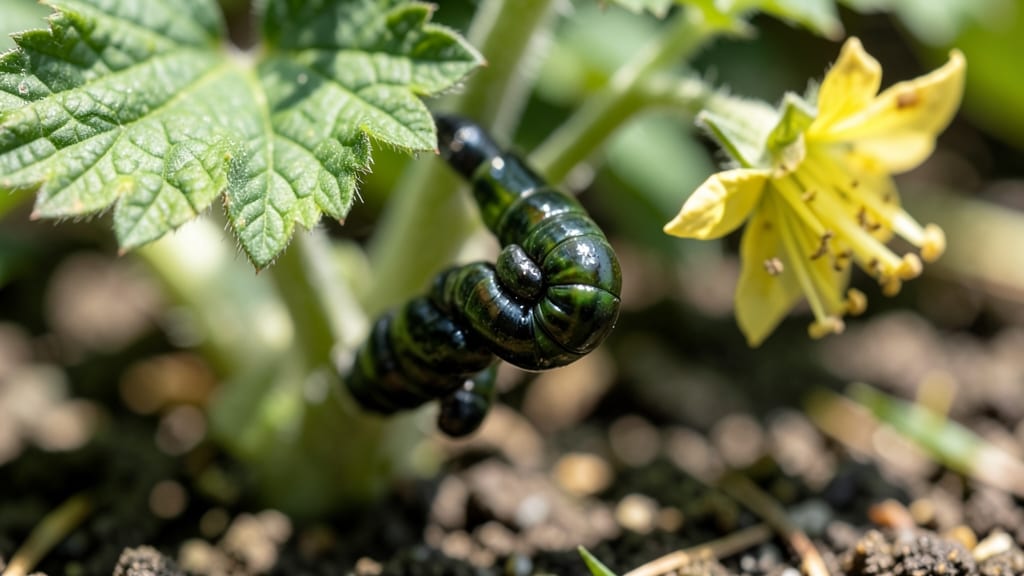
Those tiny black specks on your tomato leaves aren’t dirt—they’re tomato hornworm droppings, and they’re a sign your plants are under siege. 🌱 I’ve seen firsthand how these green monsters can strip a plant bare in days, leaving behind a trail of frass (that’s the fancy term for their poop) and chewed leaves.
The droppings themselves don’t harm your plants, but they’re a red flag that hornworms are munching away. These caterpillars can devour entire leaves overnight, and while they’re harmless to humans, they’ll turn your tomato harvest into a sad memory.
The good news? You can spot them early and stop the damage before it starts.
By handpicking the hornworms (they’re big and easy to spot) or introducing natural predators like parasitic wasps, you’ll protect your plants without chemicals. I’ve also had success with neem oil sprays—they don’t kill the hornworms outright but make the leaves less appealing to them.
Prevention is key: plant basil or dill nearby—hornworms avoid these scents. And if you see those black specks, act fast. The sooner you intervene, the more tomatoes you’ll save for your kitchen table.
The Hidden Reasons Behind Black Droppings
If you’ve spotted dark, irregular droppings on your tomato plants—especially near chewed leaves or stems—you’re likely dealing with a tomato hornworm infestation. These droppings aren’t just unsightly; they’re a sign that your plants are under siege.
But why does this happen? Let’s break down the science and environmental triggers behind these unwelcome visitors.
Tomato hornworms (Manduca sexta) thrive in gardens where their preferred hosts—tomatoes, peppers, eggplants, and tobacco—are abundant. Here’s why overcrowding creates the perfect storm:
- Abundant Food Supply: Hornworms are voracious eaters, and a garden packed with lush tomato plants offers them a buffet. A single caterpillar can devour an entire leaf overnight, leaving behind telltale droppings as evidence of their feast.
- Lack of Natural Predators: Dense plantings can disrupt the balance of beneficial insects like parasitic wasps (Cotesia congregata), which lay eggs inside hornworms, eventually killing them. When gardens are too crowded, these predators struggle to find and control hornworm populations.
- Shelter from Elements: Thick foliage provides hornworms with protection from wind, rain, and pesticides. Without gaps in the canopy, they hide deeper in the plant, making droppings (and the caterpillars themselves) harder to spot until damage is severe.
Actionable Fix: Space tomato plants 18–24 inches apart to improve airflow and visibility. This makes it easier to monitor for droppings and caterpillars while encouraging natural predators to move through the garden.
Hornworms start as eggs—tiny, pale green ovals laid by sphinx moths—on the undersides of leaves. If your garden lacks basic hygiene, moths are more likely to choose it as a nursery. Here’s how dirt and debris play a role:
- Decaying Organic Matter: Piles of compost, fallen leaves, or plant debris near tomato plants create moist, sheltered microclimates that moths favor for egg-laying. Warmth and humidity accelerate egg hatching, leading to a faster hornworm population explosion.
- Weeds as Hosts: Many weeds (like black nightshade or henbit) are also hornworm hosts. If your garden borders weedy areas, moths may lay eggs there before migrating to your tomatoes, resulting in droppings appearing after the initial infestation.
- Lack of Mulch Maintenance: Old mulch can trap moisture and harbor eggs. If mulch isn’t refreshed seasonally, it becomes a hornworm breeding ground, with droppings accumulating as larvae feed.
Actionable Fix:
- 🔥 Clear debris from around tomato plants weekly.
- 🌱 Remove weeds within a 3-foot radius of your tomatoes.
- 💡 Use straw mulch (instead of wood chips) to reduce moisture retention.
Hornworms are warm-weather pests, and their life cycle accelerates in temperatures above 75°F (24°C) with high humidity. Here’s how climate impacts their droppings:
| Factor | Why It Matters | Result |
|---|---|---|
| 🌞 High Heat | Eggs hatch faster (in 3–5 days vs. 10+ days in cooler temps). | More caterpillars = more droppings in shorter time. |
| 💦 Humidity | Keeps eggs and larvae hydrated, reducing mortality. | Larger, healthier hornworms = bigger, blacker droppings. |
| 🌧️ Rain | Washes away natural predators (like birds) but doesn’t drown eggs. | Sudden dropping spikes after rain as surviving larvae feed aggressively. |
Actionable Fix:
- ✨ Plant basil or marigolds near tomatoes—their scent repels moths.
- 🌡️ Use row covers in early summer to block moths before eggs hatch.
- 💪 Hand-pick droppings daily in peak heat/humidity to disrupt their cycle.
Understanding these triggers helps you predict and prevent hornworm droppings before they become a full-blown problem. The key? Proactive garden care—because once those caterpillars arrive, the droppings (and damage) follow fast.
Quick Fixes for Garden Mess
Discovering green, cylindrical droppings near your tomato plants isn’t just unsightly—it’s a sign your garden is under siege by tomato hornworms. But don’t panic! With the right approach, you can reclaim your thriving garden in no time.
Below, we’ve mapped out practical solutions tailored to the root causes of these droppings, from immediate cleanup to long-term prevention. Let’s get your plants back on track!
The fastest way to stop the droppings is to eliminate the hornworms themselves. These hungry caterpillars can devour a tomato plant in days, so act quickly!
- 🔍 Handpick them (best during cool mornings)
- Wear thick gloves—hornworms can be spiky!
- Look under leaves, along stems, and in flower clusters.
- Drop them into a bucket of soapy water (they’ll drown instantly) or relocate them far from your garden (though they won’t survive long away from their host plants).
- 🕵️ Use a flashlight at night
- Hornworms are nocturnal and highly visible under UV light. Shine a flashlight on plants after dark to spot and squish them.
- 🐝 Introduce natural predators
- Parasitic wasps (like Cotesia congregata) lay eggs inside hornworms, eventually killing them. These wasps are harmless to humans and plants.
- Birds and praying mantises also hunt hornworms—install a bird feeder or mantis-friendly habitat to encourage them.
Even after removing the hornworms, their droppings can harbor bacteria and fungi, weakening your plants. Here’s how to clean up and protect your tomatoes:
- 🧹 Remove droppings immediately
- Use a gloved hand or tweezers to pick up droppings and dispose of them in the trash (not the compost—this can spread disease).
- Wipe down leaves with a damp cloth to remove residue.
- 🌿 Prune affected foliage
- Trim heavily damaged leaves or stems to improve airflow and reduce stress on the plant.
- Dispose of pruned material away from the garden to prevent reinfestation.
- 💦 Water at the base (not overhead)
- Wet leaves attract pests and spread fungal spores. Use drip irrigation or water early in the day so foliage dries quickly.
The best defense is a strong offense! Stop hornworms before they start with these proactive steps:
- 🌱 Plant companion crops
- Basil, marigolds, and dill repel hornworms naturally. Interplant them with tomatoes to confuse pests.
- Nasturtiums act as a trap crop—hornworms prefer them over tomatoes!
- 🕊️ Encourage beneficial insects
- Ladybugs, lacewings, and hoverflies eat hornworm eggs. Attract them with neighborhood-friendly plants like alyssum or fennel.
- Avoid broad-spectrum pesticides, which kill both pests and beneficial insects.
- 🌙 Use row covers early
- Install floating row covers over young tomato plants to block hornworm moths from laying eggs. Remove covers when flowers appear to allow pollination.
- 🌿 Practice crop rotation
- Hornworms target nightshades (tomatoes, peppers, eggplants). Rotate these plants yearly to disrupt their life cycle.
Small habits make a big difference in keeping your garden hornworm-free:
- 🌡️ Monitor egg clusters
- Hornworm eggs are tiny and pale yellow. Check the undersides of leaves weekly and crush them with your fingers.
- 🎯 Use organic sprays (as a last resort)
- Bacillus thuringiensis (Bt) is a natural bacteria that targets caterpillars but is safe for humans and pets. Spray it every 7–10 days during outbreaks.
- Neem oil can deter egg-laying moths—mix 1 tbsp neem oil with 1 quart water and 1 tsp mild soap, then spray plants.
- 🌱 Strengthen your plants
- Healthy tomatoes resist pests better. Ensure they get:
- 6–8 hours of sunlight daily.
- 1–2 inches of water per week (adjust for climate).
- Balanced fertilizer (high in phosphorus for flowering).
- Healthy tomatoes resist pests better. Ensure they get:
With these strategies, your tomato plants will bounce back faster—and stay healthier—than ever. The key is consistency: combine removal, cleanup, and prevention for a pest-free harvest! 🍅✨
Frequently asked questions
What do tomato hornworm droppings look like?
Tomato hornworm droppings are small, dark green to black, cylindrical pellets about 1/8-inch long. They often accumulate in clusters near chewed leaves or stems. Think of them as tiny, irregular "caterpillar confetti" scattered across your tomato plants!
Are tomato hornworm droppings harmful to my plants?
While the droppings themselves don't directly harm plants, they're a sign of active feeding by tomato hornworms. The real damage comes from the caterpillars eating leaves and fruit. The droppings can also harbor bacteria and fungi, so it's best to remove them promptly to keep your plants healthy.
Can I compost tomato hornworm droppings?
No, you shouldn't compost them. The droppings may contain pathogens that could spread disease to other plants. Instead, dispose of them in your regular trash or use them as a natural fertilizer for non-edible plants far from your garden.
How can I tell if the droppings are from hornworms and not another pest?
Look for these clues: hornworm droppings are typically greenish-black and cylindrical, while other pests like aphids leave smaller, darker specks. Also check for chewed leaves with distinctive "notches" or holes—hornworms leave irregular edges, unlike the clean cuts of some beetles.
Will removing the droppings alone stop the hornworm problem?
No, removing droppings is just cleanup—you need to eliminate the hornworms themselves. The droppings are evidence of active feeding, so focus on handpicking caterpillars, introducing beneficial insects, or using organic sprays like Bacillus thuringiensis to break the life cycle.