
Companion Plants
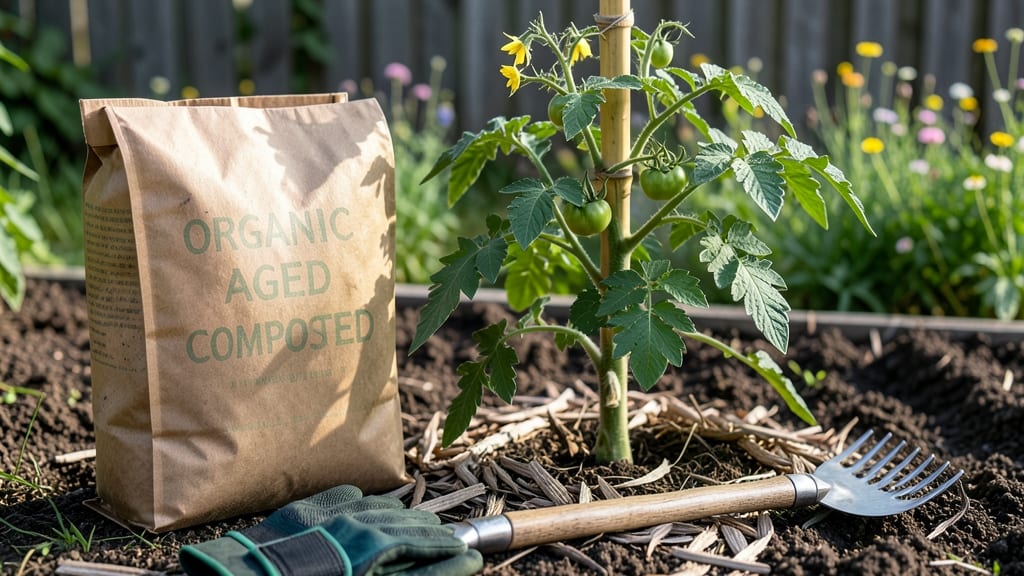
Cow manure is good for tomato plants when properly aged and composted, providing essential nitrogen and organic matter to enrich soil, but fresh manure can burn roots and attract pests due to high ammonia levels and heat buildup.
Cow manure becomes a powerhouse for tomato gardens once it's fully decomposed, breaking down into nutrient-rich humus that tomatoes crave. 🌱 The key is patience—aged manure releases nitrogen slowly, feeding plants over time while improving soil structure for better water retention.
I've seen firsthand how composted manure transforms heavy clay soil into loose, crumbly earth perfect for tomato roots to spread.
Just remember: fresh manure is like a double-edged sword—it might look like free fertilizer, but those high ammonia levels can scorch tender tomato roots and attract flies that love the smell.
For best results, I recommend mixing composted cow manure into garden beds at least 3–6 months before planting. You can also use it as a top dressing around established plants, keeping it 3–4 inches away from stems to prevent concentration burns.
If you're in a hurry, worm castings or pelletized manure offer similar benefits with faster readiness—just check the label for nitrogen content to match your tomatoes' needs.
💡 In This Article
- How Cow Manure Benefits Tomato Growth
- Safe Ways to Use Cow Manure for Tomatoes
How cow manure benefits tomato growth
The real magic happens when cow manure decomposes—this process transforms raw organic matter into a nutrient powerhouse through microbial action. As microbes break down the manure, they release nitrogen in forms like ammonium (NH₄⁺) and nitrate (NO₃⁻), which tomato plants absorb through their roots.
What's fascinating is how this decomposition also creates humus, a spongy organic material that improves soil structure by increasing porosity. This means better aeration and water retention—critical for tomatoes, which need consistent moisture but hate soggy roots. 🌱
Tomatoes are heavy feeders, especially during fruiting, and aged cow manure provides a balanced nutrient profile with about 0.5–1.5% nitrogen by weight, along with phosphorus and potassium. The slow-release nature of composted manure prevents the rapid nutrient spikes that can lead to leafy growth at the expense of fruit production.
I've noticed in my own garden that plants grown with composted manure develop stronger root systems that can better withstand drought and disease pressure. The microbial diversity in aged manure also helps suppress harmful pathogens like Fusarium wilt.
Here's what's happening at the microscopic level: As the manure decomposes, it creates tiny air pockets in the soil that tomato roots can explore. These roots then form symbiotic relationships with beneficial fungi like mycorrhizae, which extend the root system's reach by up to 10 times its original length.
The result? Plants that can access nutrients from a much larger volume of soil. This is why tomatoes grown in compost-amended soil often produce larger, healthier fruits with thicker walls and more vibrant colors. 🌿
The temperature factor is crucial too. During decomposition, manure piles can reach 140–160°F internally, which kills weed seeds and pathogens. However, this same heat can damage plant roots if applied fresh.
That's why proper aging (3–6 months) is essential—it allows the heat to dissipate while converting volatile ammonia into stable organic compounds. The end result is a soil amendment that's gentle on roots yet packed with plant-available nutrients.
Consider this comparison: Fresh cow manure has a nitrogen-to-carbon ratio of about 1:20, which is too high for safe application. After proper composting, this ratio improves to around 1:30, making it much safer.
The composting process also reduces the pungent odor that attracts flies and other pests—another reason aged manure is the gold standard for tomato gardens. The earthy, slightly sweet aroma of well-composted manure signals that it's ready for garden use.