
Pests and Diseases
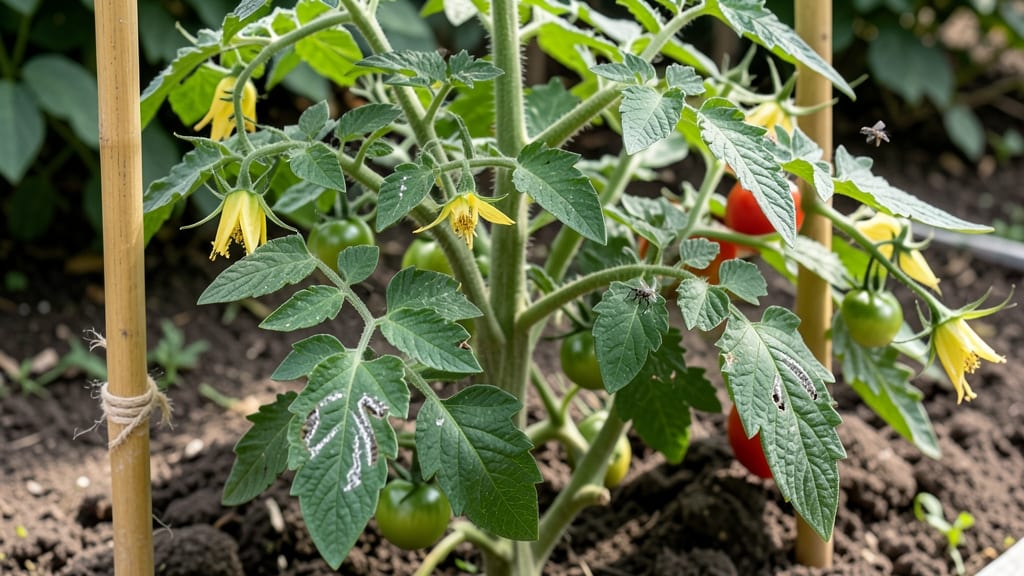
Those squiggly trails in your tomato leaves aren’t just unsightly—they’re leaf miners eating their way through your plants. 🌱 I’ve battled these pests in my greenhouse, and I’ll show you how to stop them without harsh chemicals, so your plants stay strong and your harvest stays bountiful.
Leaf miners start as tiny eggs laid on leaves, then hatch into larvae that tunnel through the tissue, leaving behind blotchy, serpentine mines. You’ll spot wilting leaves, stunted growth, and—if left unchecked—whole plants struggling to thrive. The good news? Organic solutions work, and they’re easier than you think.
With the right approach—like handpicking larvae, using neem oil, or introducing beneficial wasps—you’ll see cleaner leaves and healthier plants within weeks. I’ve even saved entire tomato crops using these methods, and your greenhouse can look just as serene by season’s end.
Whether you’re growing in containers, raised beds, or a full greenhouse, these strategies adapt to any setup. Let’s get those leaves back to their full, vibrant glory without sacrificing the ecosystem your garden depends on.
The Hidden Triggers Behind Tomato Leaf Damage
Leaf miners on tomato plants don’t just appear out of nowhere—they’re drawn by a mix of environmental factors, plant health, and even your greenhouse’s microclimate. Understanding these triggers is the first step to stopping them before they wreak havoc on your crop.
Here’s why your tomato leaves might be turning into a leaf miner’s buffet.
Leaf miners—tiny moth or fly larvae—target stressed or unhealthy tomato plants because they’re easier to colonize. When plants are struggling, their defenses weaken, making them prime targets. Here’s what puts your tomatoes at risk:
- Nutrient Deficiencies: Lack of nitrogen, phosphorus, or potassium stunts growth and reduces chlorophyll, making leaves less resilient. Test your soil to check for imbalances—leaf miners love plants that can’t fight back.
- Overcrowding: Poor air circulation in dense tomato foliage creates humid, shaded conditions that leaf miners adore. Prune regularly to keep plants open and well-ventilated.
- Water Stress: Overwatering or underwatering weakens roots, leaving plants vulnerable. Water deeply but infrequently (1–1.5 inches per week) to encourage strong root systems.
- Disease Pressure: Fungal or bacterial infections (like early blight or septoria leaf spot) create entry points for pests. Rotate crops and sanitize tools to prevent secondary infections.
💡 Pro Tip: Healthy plants are the best defense. Use compost tea or fish emulsion as a preventative boost to strengthen your tomatoes’ natural immunity.
Leaf miners don’t just attack weak plants—they’re also opportunists that thrive in specific conditions. Their life cycle depends on:
| Factor | Leaf Miner Preference | How to Adjust |
|---|---|---|
| Temperature | 65–85°F (18–29°C) – Warmth speeds up their development. | Use shade cloth in peak summer or ventilation fans to keep temps below 80°F (27°C). |
| Humidity | 60–80% humidity – Moisture helps eggs hatch faster. | Reduce humidity with dehumidifiers or improved airflow (aim for 40–60%). |
| Host Plant Availability | Tomatoes, peppers, and brassicas are favorites – They lay eggs on young, tender leaves. | Remove volunteer weeds (like nightshade) and rotate crops annually. |
| Light Exposure | Partial shade – Adult moths prefer laying eggs on leaves with dappled sunlight. | Ensure even sunlight distribution (6+ hours daily) to deter egg-laying. |
✨ Key Insight: Leaf miners are most active in spring and early summer when temperatures rise. Monitor plants closely during these windows for early signs of infestation.
Leaf miners don’t just appear magically—they hitchhike into your greenhouse or garden through:
- Windborne Adults: Female moths (like the tomato leaf miner, Tuta absoluta) fly in from nearby infested crops. Install fine mesh screens (1mm or smaller) on vents and doors to block them.
- Contaminated Tools/Plants: Transplanting infected seedlings or using shared pruners spreads eggs. Disinfect tools with rubbing alcohol and inspect new plants for mines before adding them to your garden.
- Wild Host Plants: Weeds like black nightshade or henbane harbor leaf miners and act as reservoirs. Pull weeds aggressively within 50 feet of your tomato patch.
- Poor Sanitation: Old plant debris left in beds or greenhouses can harbor pupae. Clean up thoroughly after harvest, especially in fall.
🔥 Warning: If you’ve had leaf miners before, sterilize your greenhouse in late winter by removing all plant material and spraying walls with neem oil or hydrogen peroxide to kill overwintering pupae.
By addressing these root causes—stress, climate, and spread—you’ll disrupt the leaf miner’s life cycle and give your tomato plants the fighting chance they deserve. Prevention is easier than cure, so act now before the mines appear!
Fixing Leaf Miners Naturally
Leaf miners can feel like an unwinnable battle, but with the right organic strategies, you can reclaim your tomato plants without harsh chemicals. Below are targeted solutions based on the root causes—whether it’s larval infestations, environmental stress, or poor garden hygiene.
The first line of defense is physical removal. Larvae tunnel through leaves, creating unsightly trails and weakening the plant. Here’s how to act fast:
- 🍳 Snip and Toss: Use clean scissors or pruners to cut off heavily infested leaves. Place them in a sealed bag (not your compost!) to prevent larvae from escaping. - 👨🍳 Monitor Daily: Check new growth every 2–3 days, especially on young leaves.
Early removal stops larvae from maturing into flies. - ⏰ Timing Matters: Do this in the early morning when larvae are sluggish and easier to spot.
Pro Tip: 💡 If you’re squeamish about handling infested leaves, wear gloves and double-bag them before disposal.
Nature’s pest control is often the most effective. These predators hunt leaf miners without harming your tomatoes:
| Predator | How to Attract | When to Release |
|---|---|---|
| Parasitic Wasps (e.g., Diglyphosa isaea) | Plant dill, fennel, or carrot flowers nearby; release wasps in the evening. | Early infestation (spring) |
| Lacewings | Use blue sticky traps or buy eggs online; they love aphids (leaf miner food). | All season, especially warm months |
| Ground Beetles | Mulch with straw or wood chips; they thrive in moist, shaded soil. | Nighttime (they hide during the day) |
Pro Tip: ✨ For best results, release predators at dusk when they’re most active. Avoid pesticides entirely—even "organic" sprays can kill these helpers.
If the infestation is severe, neem oil or insecticidal soap can disrupt larvae and adult flies. Here’s how to apply them safely:
- 🔪 Mix & Spray: - Neem Oil: Combine 1 tbsp neem oil + 1 tsp mild soap + 1 quart water.
Spray both sides of leaves (larvae hide inside!). - Insecticidal Soap: Use a store-bought version (like Safer®) or DIY with 1 tbsp castile soap per quart of water. - 🌡️ Timing: Apply early morning or late evening to avoid burning plants in sunlight. - 🎯 Frequency: Reapply every 5–7 days until new leaves emerge without mines.
Warning: 🚫 Do NOT use these sprays if you’ve released beneficial insects—they’ll kill them too. Wait until predators are established.
An ounce of prevention saves a pound of cure. Strengthen your tomato plants’ defenses with these long-term strategies:
- 🌿 Rotate Crops: Avoid planting tomatoes, peppers, or eggplants in the same spot for 3+ years (leaf miner larvae overwinter in soil). - 🌡️ Maintain Garden Hygiene: - Remove all plant debris in fall (larvae pupate here). - Clean greenhouse surfaces with a vinegar-water spray (1:1 ratio) to kill eggs. - 🍅 Choose Resistant Varieties: Try ‘Mountain Merit’ or ‘Solar Fire’—they’re bred to tolerate pests better. - 🌱 Use Row Covers: Floating row covers (fine mesh) block adult flies from laying eggs.
Remove when flowers appear for pollination.
Pro Tip: 🔥 Companion planting with basil, marigolds, or nasturtiums repels leaf miner adults with their strong scents.
By combining removal, predators, and prevention, you’ll break the leaf miner cycle and keep your tomato plants thriving—without chemicals. Stay vigilant, and your greenhouse will stay serene!
Frequently asked questions
What do leaf miner damage look like on tomato plants?
Leaf miners create distinctive serpentine trails or blotchy mines inside tomato leaves. Look for pale, winding paths between leaf veins where larvae feed. Heavily damaged leaves may turn brown, yellow, or wilt prematurely. Check both leaf surfaces—larvae often hide on the undersides.
Can I still harvest tomatoes if my plants have leaf miners?
Yes, but focus on fruits already forming before the infestation. Larvae don't directly damage tomatoes—they target leaves. Remove heavily infested foliage to redirect the plant's energy to fruit production. Harvest regularly to encourage new growth and outpace the pest cycle.
How long does it take for neem oil to work on leaf miners?
Neem oil disrupts leaf miner development within 24-48 hours of application, but you'll see visible improvements in 5-7 days. For best results, apply it every 5-7 days during active infestations. The oil works by interfering with larvae molting and egg hatching.
Will leaf miners kill my tomato plants?
While severe infestations can stress plants, leaf miners rarely kill healthy tomato plants. The real danger comes from secondary issues like fungal infections that exploit weakened leaves. Act quickly by removing damaged foliage and strengthening plant health to prevent long-term damage.
Can I reuse last year's tomato cages if I had leaf miners?
No, never reuse tomato cages or stakes from infested plants. Larvae can pupate in soil debris clinging to the materials. Clean thoroughly with soapy water and disinfect with rubbing alcohol or a 10% bleach solution before storing for next season.