
Planting
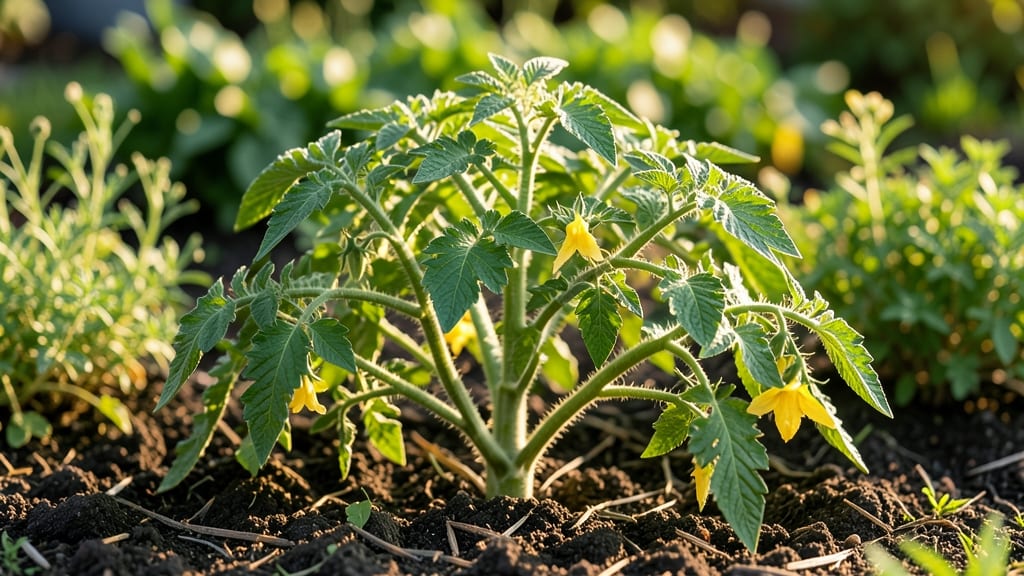
Your tomato plant is throwing flowers but no tomatoes—this is the most frustrating gardening mystery. 🌱 The good news? It’s almost always fixable with a few targeted tweaks, not a total replant.
I’ve seen plants go from zero fruit to bushels in just three weeks after addressing the real culprits: temperature swings, poor pollination, or hidden nutrient gaps.
Most gardeners miss the first clue: blossoms that drop before setting fruit. That’s your plant screaming for consistent 70°F days and 60°F nights. Too hot or cold? Flowers abort. Even worse, those tiny white blossoms need help—sometimes a gentle shake or paintbrush tap does the trick.
And don’t overlook the soil: calcium deficiency causes that classic blossom end rot, turning fruit into mushy messes.
Here’s the game-changer: combine hand-pollination, balanced fertilizer, and mulch to stabilize soil temps. Within 10-14 days, you’ll see fruit set where there was nothing. The key is catching it early—before your plant gives up entirely. Let’s turn those flowers into actual tomatoes.
Works for heirlooms, cherry, and beefsteak varieties alike. Even my black-thumb attempts now produce. The secret? Pay attention to the plant’s signals, not just the calendar. Ready to troubleshoot?
Root Causes of Missing Tomatoes
When your tomato plant looks healthy but refuses to produce fruit, the issue often lies in one (or several) of these key biological and environmental roadblocks.
Understanding why your plant is skipping the tomato-making step is half the battle—because once you identify the culprit, you can take targeted action to fix it. Let’s break down the science behind the silence in your garden.
Tomatoes are self-pollinating, meaning they don’t need bees or wind to transfer pollen from flower to flower—but they do need a little help from you (or nature) to set fruit. Here’s why it might be failing:
- Lack of Vibrations: Tomatoes rely on buzz pollination—tiny vibrations from bees or even wind to release pollen.
If your garden is quiet (or bee-free), pollen stays stuck in the anthers. 🐝 - Fix it: Gently tap flowers with a small stick or your finger 2–3 times daily during blooming season (morning is best). - Bad Weather: Heavy rain or high humidity can wash away pollen or prevent bees from visiting. - Fix it: Water early in the day so flowers dry by afternoon.
Consider hand-pollinating on rainy days. - Overuse of Pesticides: Chemicals like neonicotinoids can repel or kill pollinators. - Fix it: Switch to organic pest control (neem oil, companion planting with basil/marigolds).
Pro Tip: 💡 If flowers drop off without forming tiny tomatoes, pollination is likely the issue.
Tomatoes are heavy feeders, and if your plant isn’t getting the right nutrients at the right time, it’ll prioritize leaves over fruit. The two biggest culprits?
- Too Much Nitrogen (N): Lush green foliage but no flowers or fruit? Your plant is growing up, not out. - Fix it: Switch to a balanced fertilizer (like 5-5-5 or 10-10-10) when buds form.
Avoid high-nitrogen lawn fertilizers. - Calcium Deficiency: Even if your soil has calcium, poor uptake (from wet/dry cycles or compacted soil) causes blossom drop or weak fruit. - Fix it: Apply crushed eggshells or calcium nitrate (1 tbsp/gallon of water) every 2 weeks.
Mulch with straw to keep roots moist. - Phosphorus Shortage: This nutrient triggers flowering. If your soil test is low in P, buds may form but fall off. - Fix it: Use a phosphate-rich fertilizer (like bone meal) at planting time.
Warning Signs: 🌡️ Yellowing lower leaves (nitrogen), weak stems (potassium), or blossom end rot (calcium).
Tomatoes are tropical plants at heart—they thrive in warmth but hate extremes. Here’s how climate can sabotage your harvest:
- Temperature Swings: - Below 55°F (13°C): Growth stops; flowers may form but won’t set fruit. - Above 90°F (32°C): Pollen sterilizes, and flowers drop. - Fix it: Use row covers for spring frosts or shade cloth (30–50%) in scorching heat. - Inconsistent Watering: - Drought stress: Causes abscission (premature flower drop). - Overwatering: Leads to root rot and nutrient lockout. - Fix it: Water deeply 1–2 times per week (1–1.5 inches total).
Use drip irrigation to keep soil evenly moist. - Transplant Shock: If moved too late or roots are damaged, the plant focuses on recovery, not fruiting. - Fix it: Harden off seedlings for 1–2 weeks before planting. Choose container-grown plants over nursery pots with circling roots.
Quick Check: 🎯 If your plant has flowers but no fruit, and it’s been hotter than 85°F (29°C) for weeks, heat stress is likely the villain.
Some invaders eat flowers before they can turn into tomatoes, while others stress the plant into dropping buds.
- Hornworms & Colorado Potato Beetles: These munch flowers and fruit before they develop. - Fix it: Handpick pests (they’re big and easy to spot!) or use BT (Bacillus thuringiensis) spray. - Aphids & Spider Mites: They suck sap, weakening the plant and causing buds to abort. - Fix it: Spray with soapy water (1 tsp mild soap per quart of water) or introduce ladybugs. - Fungal Diseases (Early Blight, Powdery Mildew): Clog stomata, blocking nutrient uptake and causing flower drop. - Fix it: Improve air circulation (prune plants, space them 18–24 inches apart).
Apply copper fungicide preventatively.
Red Flag: 🚨 Flowers turning brown and crispy? Fungal infection is likely spreading.
Revive Your Tomato Harvest Now
If your tomato plants are struggling to produce fruit—or worse, dropping blossoms before they can set—don’t panic! The good news is that most issues are fixable with targeted care. Below, we’ve mapped the most common causes of blossom drop or no tomatoes to practical, step-by-step solutions.
Follow these fixes to coax your plants back into action and prevent future disappointments.
Problem: Yellowing spots on blossom ends, stunted fruit, or flowers falling off before fruiting? This is classic calcium deficiency, often caused by uneven watering or poor soil pH.
🔥 Step 1: Test Your Soil
Before treating, check if your soil lacks calcium. A simple home soil test kit (available at garden centers) can confirm pH and nutrient levels. Ideal pH for tomatoes: 6.0–6.8.
🍳 Step 2: Amend the Soil
Mix in crushed eggshells, bone meal, or gypsum (calcium sulfate) to supply calcium gradually.
For immediate results: - Epsom salt solution: Dissolve 1 tablespoon of Epsom salt in 1 gallon of water and apply as a foliar spray or soil drench every 7–10 days. - Lime (if soil is too acidic): Add pelletized lime to raise pH slowly—avoid quick-release lime, which can burn roots.
👨🍳 Step 3: Water Smartly
- Keep soil moist but not soggy. Use drip irrigation or soaker hoses to deliver water directly to roots, avoiding leaf wetness.
- Water deeply 1–2 times per week (depending on climate) rather than shallow daily watering.
- Mulch heavily with straw or wood chips to retain moisture and prevent calcium leaching.
💡 Pro Tip:
> "If your tomatoes are already rotting, trim off affected fruit to redirect the plant’s energy to healthy blooms. Save the best ones for sauces—rotten spots don’t ruin flavor!"
Problem: Flowers dropping without setting fruit? Heat stress (above 90°F) or cold snaps can prevent pollination, while lack of bees or wind leaves flowers sterile.
🌡️ Step 1: Shield from Extreme Heat
- Provide afternoon shade with floating row covers or shade cloth (30–50%) during peak heat.
- Plant heat-tolerant varieties like ‘Heatmaster’ or ‘Solar Fire’ if you’re in a hot climate.
- Avoid over-fertilizing with nitrogen—it encourages leafy growth over fruit.
Switch to a balanced 10-10-10 or phosphorus-heavy fertilizer (5-10-10) to boost flowering.
🐝 Step 2: Hand-Pollinate Flowers
If bees are scarce, give your plants a helping hand:
- Gently shake plants in the morning when flowers are open.
- Use a small paintbrush to transfer pollen from one flower to another.
- Try a DIY pollination spray: Mix 1 cup water + 1 teaspoon sugar in a spray bottle and mist flowers lightly—sugar attracts pollinators!
✨ Pro Tip:
> "Morning is the best time to pollinate! Flowers are most receptive to pollen in cool, humid conditions—ideal for bees and your DIY efforts."
Problem: Chewing insects, fungal infections, or viral diseases can stunt plants and prevent fruiting.
🔪 Step 1: Inspect & Remove Threats
- Aphids/Whiteflies: Spray with neem oil or insecticidal soap (repeat every 5–7 days).
- Hornworms: Handpick at night (they’re most active then!) or use Bt (Bacillus thuringiensis) spray.
- Fungal issues (early blight, powdery mildew): Apply copper fungicide or baking soda spray (1 tbsp baking soda + 1 quart water + a drop of dish soap).
🚫 Step 2: Prevent Future Outbreaks
- Rotate crops—never plant tomatoes in the same spot two years in a row.
- Remove diseased leaves immediately and sterilize pruners with rubbing alcohol.
- Improve airflow by pruning lower leaves (within 12 inches of the ground) and staking plants properly.
🎯 Pro Tip:
> "A healthy tomato plant is less vulnerable to pests! Boost immunity with compost tea or a fish emulsion fertilizer (high in micronutrients)."
To keep your tomato plants fruit-loaded year after year, follow this preventive care plan:
| Task | When to Do It | How to Do It |
|---|---|---|
| Soil test | Early spring | Use a kit or send to a lab |
| Amend soil | Before planting | Add compost, calcium, and organic matter |
| Mulch heavily | After transplanting | 3–4 inches of straw or wood chips |
| Fertilize right | Every 4–6 weeks | Switch to low-nitrogen, high-phosphorus |
| Prune wisely | Throughout growing season | Remove suckers, diseased leaves |
| Monitor pests | Weekly | Check undersides of leaves early morning |
Final Thought: 🍅 Patience is key! Tomato plants can take 6–8 weeks to recover from stress. If you’ve addressed the root causes (literally and figuratively), you’ll soon see plump, juicy tomatoes ready for harvest. Happy gardening!
Frequently asked questions
Why are my tomato flowers falling off before turning into fruit?
This is usually caused by temperature stress (below 55°F or above 90°F) or poor pollination. Flowers drop when they can't set fruit due to heat or lack of vibrations from bees/wind. Try hand-pollinating with a paintbrush or providing afternoon shade during heatwaves.
Can I fix calcium deficiency in my tomato plants?
Add crushed eggshells or Epsom salt solution (1 tbsp/gallon) every 7-10 days. Mulch with straw to stabilize moisture, which helps calcium absorption. For immediate results, use a calcium nitrate fertilizer. Mulch also prevents blossom end rot by keeping roots consistently moist.
How do I know if my tomato plant needs more phosphorus?
Look for small or no flowers despite healthy green growth. Phosphorus deficiency shows as purple stems or stunted leaves. Use a bone meal fertilizer at planting time or switch to a 5-10-10 blend when buds appear. This nutrient is essential for flower development.
Will pruning my tomato plant help it produce more fruit?
Yes! Prune suckers (side shoots between main stem and branches) to redirect energy to fruit production. Remove lower leaves to improve airflow and prevent disease. For indeterminate varieties, prune to 3-4 main stems—this boosts fruit size and yield. Do this in morning hours to reduce stress.
Can I still save my tomato plant if it's already flowering but not fruiting?
Definitely! Start with hand-pollination (tap flowers gently or use a paintbrush). Check for pests/diseases and treat immediately. Adjust watering to 1-2 inches per week and switch to a low-nitrogen fertilizer. With consistent care, you can still get a harvest—just be patient, as recovery may take 4-6 weeks.