
Plants
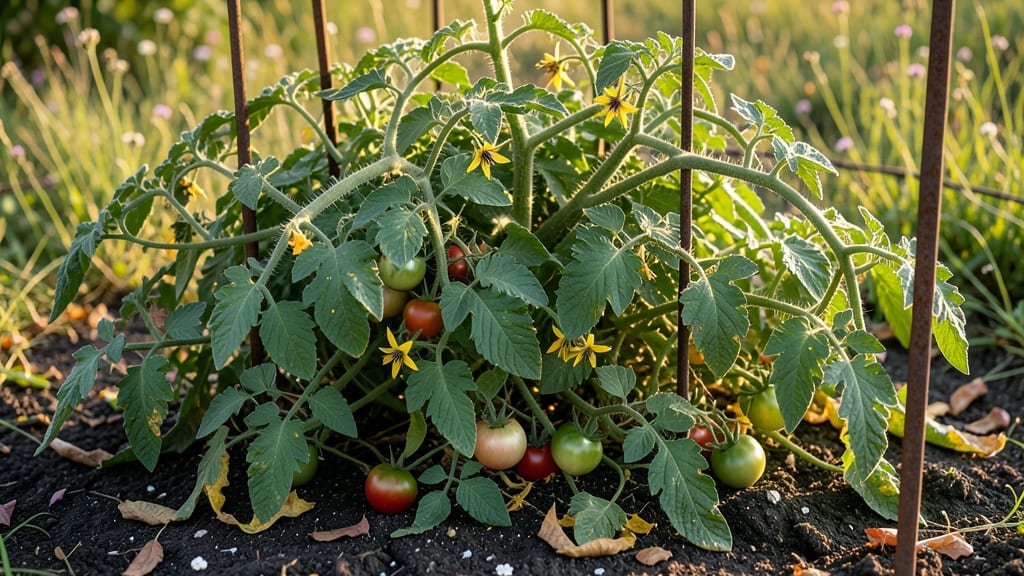
Your overgrown tomato plants are stealing sunlight from actual fruit. 🌱 I’ve turned tangled vines into productive plants by pruning the right way—and you can too, even if your tomatoes look like they’ve taken over the yard.
The key is timing, technique, and knowing what to cut (and what to keep). Most overgrowth happens when plants focus on leaves instead of fruit, leaving you with lush foliage but few tomatoes. Prune too much, and you shock the plant; too little, and you waste energy.
I’ll show you the 3-step prune-and-train method that works for indeterminate varieties (the sprawlers) and even gives determinate tomatoes a boost. By the end, your plants will channel energy into heavier, sweeter fruit while staying disease-resistant.
You’ll learn how to spot overgrowth early, when to prune (hint: it’s not just once), and how to revive plants that look like they’ve given up. This works for backyard gardens, containers, or even balcony setups. Let’s get those tomatoes producing again!
Root Causes Of Rampant Growth
When your tomato plants start stretching skyward like overcaffeinated giants, it’s usually a sign that something’s off in their care routine. Understanding why this happens is the first step to reclaiming control—and those juicy harvests you’re dreaming of.
Let’s break down the science behind why your plants are throwing all their energy into foliage instead of fruit.
Tomatoes are sun-loving plants, but too much or too little light throws their growth patterns into chaos. Here’s how:
- Too Much Sun:
While tomatoes thrive in full sun (6–8 hours daily), intense, unfiltered sunlight—especially in hot climates—can scorch leaves and trigger etiolation, a survival response where plants stretch rapidly to escape harsh conditions. This makes stems weak and leggy.
- Insufficient Sun:
Plants deprived of light (e.g., shaded by taller crops or structures) elongate to reach for sunlight, a process called shade avoidance syndrome. This diverts energy from fruit production to leafy growth, leaving you with a lanky, unproductive plant.
Actionable Fix: Monitor sunlight exposure and use shade cloth (30–50%) in extreme heat. Rotate pots or relocate plants to ensure even light distribution.
Water is life for tomatoes, but too much of a good thing can backfire. Overwatering or soggy soil triggers two key issues:
- Root Suffocation:
Waterlogged soil cuts off oxygen to roots, forcing the plant to prioritize above-ground growth to compensate. This leads to weak stems and excessive foliage as the plant “reaches” for stability.
- Nutrient Leaching:
Excess water washes away essential nutrients (like nitrogen and phosphorus), leaving the plant starved. Without proper nourishment, tomatoes can’t balance growth—resulting in a leafy monster instead of a fruit-bearing powerhouse.
Actionable Fix: Ensure pots or garden beds have drainage holes and water deeply but infrequently (1–2 inches per week, adjusting for climate). Use raised beds or containers if your soil drains poorly.
Fertilizer labels might promise “big, bushy plants,” but if your tomatoes are more foliage than fruit, nitrogen is the culprit. Here’s why:
- Leafy Overgrowth:
Nitrogen is the building block of chlorophyll (the green pigment in leaves). Too much nitrogen = explosive leaf production at the expense of flowers and fruit. Think of it like a bodybuilder packing on muscle instead of training for a marathon.
- Delayed Flowering:
Excess nitrogen suppresses flowering hormones (like florigen), delaying or preventing fruit set. Your plant is too busy growing leaves to reproduce!
Actionable Fix: Switch to a balanced fertilizer (e.g., 5-10-10 or 10-10-10) or one high in phosphorus and potassium (e.g., 7-9-5) to encourage flowering. Avoid “green-up” fertilizers like lawn food.
Tomatoes are warm-season plants, but temperature swings can disrupt their growth cycle. Here’s how:
- Heat Stress (Above 90°F/32°C):
High temperatures inhibit pollination by reducing tomato flower activity. The plant may respond by growing longer stems and more leaves in an attempt to cool itself via transpiration (evaporative cooling).
- Cold Stress (Below 50°F/10°C):
Chilly nights or early frosts slow metabolic processes, including fruit development. The plant may halt flowering and focus on leafy growth to protect its core.
Actionable Fix: Use row covers for early-season protection or shade cloth in peak summer. Mulch around plants to regulate soil temperature and reduce stress.
Tomatoes need room to breathe—literally. When plants are too close together, they compete for:
- Light: Shading from neighbors triggers the same shade avoidance response as insufficient sunlight, leading to leggy growth.
- Nutrients: Roots tangle, starving the plant of resources and forcing it to grow upward for survival.
- Airflow: Poor circulation increases humidity, promoting fungal diseases (like early blight) that weaken the plant and encourage excessive foliage.
Actionable Fix: Space determinate tomatoes <18–24 inches apart and indeterminate varieties <24–36 inches apart. Prune lower leaves to improve airflow and reduce crowding.
Now that you know the why, the next step is the how—pruning, training, and reviving your tomatoes for that dream harvest. Stay tuned!
How to solve it
Overgrown tomato plants can feel like a wild jungle—vines sprawling everywhere, leaves blocking sunlight, and fruit hidden beneath a tangle of stems. But with the right techniques, you can tame the chaos and turn your garden into a productive powerhouse.
Below are targeted solutions for common overgrowth issues, paired with prevention tips to keep your plants in check season after season.
Cause: Dense foliage blocks sunlight, leading to weak stems, poor fruit set, and disease risks. Fix:
- 🔪 Trim strategically: Remove suckers (shoots between main stems) and yellow or diseased leaves at the base. Use clean, sharp pruners to avoid tearing.
- 🌞 Open the canopy: Thin out crowded branches to let light reach the lower fruit. Aim for 6–12 inches of space between stems for airflow.
- 🍅 Prioritize fruit-bearing stems: If your plant is indeterminate, focus on keeping 2–3 main stems strong. For determinate varieties, prune lightly to encourage bushier growth.
✨ Prevention Tip: Train vines early with cages or trellises to guide growth upward and reduce sprawl.
Cause: Too many tomatoes stress the plant, leading to blossom end rot or stunted growth. Fix:
- 🍅 Harvest frequently: Pick ripe tomatoes every 2–3 days to encourage more production.
- 🌱 Thin excess fruit: If a branch has more than 3–5 tomatoes, remove the smallest ones to redirect energy to larger fruit.
- 💡 Feed wisely: Use a balanced fertilizer (10-10-10) or compost tea every 3–4 weeks to support growth without overloading the plant.
🎯 Pro Tip: If your plant looks overwhelmed, prune 1/3 of the oldest leaves to reduce competition for nutrients.
Cause: Overgrowth traps moisture, inviting fungus (blight), aphids, or whiteflies. Fix:
- 🧼 Sanitize pruners: Wipe tools with rubbing alcohol between cuts to prevent spreading disease.
- 🌬️ Improve airflow: Prune to create gaps between plants (keep rows 18–24 inches apart).
- 💦 Water at the base: Avoid wetting leaves to reduce fungal spores. Use drip irrigation or water early in the day.
🔥 Emergency Fix: Spray with neem oil or baking soda solution (1 tsp baking soda + 1 quart water + a drop of dish soap) to deter pests.
Cause: Weak stems or poor structure from lack of pruning or support. Fix:
- 🏗️ Install a trellis or stakes: Use strong bamboo stakes or tomato cages to support vines as they grow.
- 🔄 Prune for strength: Remove weak or crossing branches to prevent breakage. Keep only the healthiest stems.
- 🌱 Boost nutrients: Add calcium-rich compost (like eggshells or crushed oyster shell) to prevent weak stems.
💡 Pro Tip: If your plant is already leggy, prune just above a leaf node to encourage bushier regrowth.
To avoid future overgrowth, follow this seasonal care plan:
- 🌱 Early season: Train vines to a trellis or cage within 2 weeks of planting.
- 🍅 Mid-season: Prune weekly to remove suckers and dead leaves.
- 🍅 Late season: Harvest aggressively and prune only the lowest leaves to prevent disease.
- 🍂 End of season: Compost all plant debris to reduce pest/disease carryover.
Final Thought: Overgrown tomato plants aren’t a lost cause—they’re just waiting for a little direction. With consistent pruning, smart training, and proactive care, you’ll transform that wild tangle into a high-yielding, sunlit tomato powerhouse! 🍅✨
Frequently asked questions
Can I prune my tomato plants too much?
Yes, but it depends on the variety. Indeterminate tomatoes (like 'Sungold') can handle regular pruning—focus on keeping 2-3 main stems and removing suckers. Determinate varieties (like 'Roma') need minimal pruning—just remove diseased leaves. Over-pruning shocks the plant and reduces fruit production.
How do I know if my tomato plant is overgrown?
Look for these signs: leggy stems, more leaves than fruit, vines sprawling beyond their support, or yellowing lower leaves. If sunlight can't reach the lower fruit or airflow is blocked, it's time to prune.
Is it safe to prune tomato plants in hot weather?
Prune during cooler morning hours (before 9 AM) to reduce stress. Avoid heavy pruning when temps exceed 85°F/29°C—the plant needs energy to recover. Focus on removing only diseased or crowded leaves during heatwaves.
What should I do with the pruned tomato leaves?
Remove diseased leaves immediately and compost healthy ones (they're nutrient-rich!). Never leave pruned material on the ground—it can harbor pests or fungi. For large prunings, shred and use as mulch around other plants.
Can I revive a severely overgrown tomato plant?
Start by pruning 1/3 of the foliage, focusing on removing weak stems and crowded branches. Add compost or balanced fertilizer (5-10-10) and ensure proper watering and sunlight. With consistent care, indeterminate varieties can recover within 2-3 weeks.