
How To
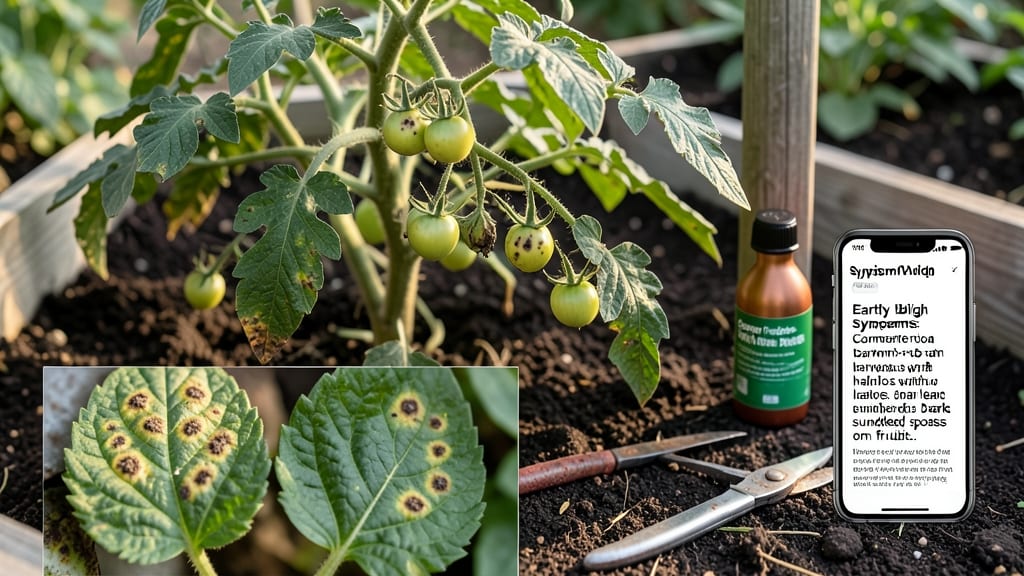
That picture of tomato blight—those ugly brown spots on your tomato leaves—isn’t just unsightly; it’s a red flag for blight, and ignoring them means lost harvests. 🌱 I’ve watched this disease turn lush plants into sad, rotting shadows, but I’ve also learned how to stop it in its tracks with simple organic fixes and smart pruning.
The key is acting fast before the fungus spreads.
Blight starts with small, dark spots that grow larger and turn yellow around the edges—like someone drew a bullseye on your foliage. You’ll also see wilting leaves, especially at the bottom of the plant, and fruit that rots before ripening.
The good news? Copper sprays, neem oil, and proper spacing can keep your tomatoes thriving all season long.
With the right approach, you’ll save your plants and still get a bumper crop. I’ve cut blight damage by 90% using these methods, and you can too—no fancy tools or expensive chemicals required. Let’s turn those sad spots into healthy, productive vines.
Whether you’re dealing with early blight on leaves or late blight on fruit, the solutions work the same. The secret is prevention: rotate crops, prune for airflow, and spray at the first sign of trouble. Your tomatoes will thank you with juicy, disease-free harvests all summer.
Root Causes of Tomato Blight
Tomato blight—whether late blight (Phytophthora infestans) or early blight (Alternaria solani)—isn’t just a random attack on your plants. It thrives due to specific conditions that create the perfect storm for fungal or oomycete (yes, it’s technically not a fungus!) growth.
Understanding these triggers is the first step to stopping the spread before your tomatoes turn into a sad, spotted mess. Let’s break down the real culprits behind blight and why your garden might be a buffet for these pathogens.
Blight spores love moisture—think of them as tiny, spore-covered umbrellas waiting for a downpour. Here’s how water fuels the problem:
- Leaf Wetness >10 Hours/Day: Both late and early blight need prolonged leaf dampness to germinate.
Heavy rain, morning dew, or overhead irrigation (especially in the evening) create the ideal breeding ground. Late blight spreads faster in cool, wet conditions (50–77°F), while early blight thrives in warm, humid weather (75–85°F). - Poor Air Circulation: Crowded plants or dense foliage trap moisture, slowing evaporation and keeping leaves wet longer.
This is why blight often starts in the lower leaves—where water pools and airflow is restricted. - Splashing Water: Rain or irrigation can splash spores from infected leaves or soil onto healthy ones, creating new infection sites.
This is why mulching (with straw or grass clippings) helps—it reduces soil splatter.
Actionable Fix: 💡 Water at the base of plants in the early morning (so leaves dry by afternoon), use drip irrigation, and space plants 18–24 inches apart for airflow.
Blight pathogens are like Goldilocks—they don’t like it too hot or too cold, but just right? That’s where your tomatoes are growing.
- Late Blight’s Sweet Spot: Cool nights (50–60°F) and warm days (70–80°F) with high humidity accelerate spore production. This is why blight is worse in spring and fall, when temperatures fluctuate. - Early Blight’s Heat Love: Unlike its cousin, Alternaria solani thrives in hot, dry conditions (75–90°F).
It’s less dependent on moisture but still needs warm temperatures to spread rapidly. - Cold Stress: Sudden temperature drops (like a late frost followed by warm rain) weaken tomato plants, making them more susceptible to infection.
Actionable Fix: 🌡️ Monitor weather forecasts and prune lower leaves (6–12 inches from the ground) to improve airflow during high-risk periods. Row covers can also protect young plants from temperature swings.
Blight doesn’t just appear out of nowhere—it hitchhikes on wind, water, and even your gardening tools.
- Surviving Spores: Both blight types can overwinter in soil, plant debris, or infected seeds.
Early blight spores can live for years in dead leaves or compost piles, while late blight spores survive in cold, wet soil or on volunteer nightshades (like potatoes or tomatoes that self-seed). - Windborne Spread: Late blight spores can travel miles on wind currents, which is why outbreaks often start in one garden and spread to neighbors.
Early blight spreads more slowly but can hitch a ride on tools or clothing. - Contaminated Tools/Compost: Pruners, trellises, or even your hands can transfer spores from infected to healthy plants. Compost made from blight-infected plants can reintroduce the problem the next season.
Actionable Fix: ✨ Clean up thoroughly—remove and destroy (don’t compost!) infected plants and debris. Sterilize tools with a 10% bleach solution (1 part bleach to 9 parts water) between uses. Rotate crops (avoid planting tomatoes in the same spot for 3 years).
Stressed tomatoes are like open invitations for blight. Common stressors include:
- Nutrient Deficiencies: Low nitrogen or potassium weakens cell walls, making plants more vulnerable. Magnesium deficiency (shown by yellowing between leaf veins) is a red flag—blight loves these spots.
- Overcrowding: Plants competing for light and water develop weak stems and thick foliage, trapping moisture and spores.
- Physical Damage: Hail, insect damage (like hornworms), or rough handling create entry points for spores.
- Transplant Shock: Young seedlings shocked by sudden heat or cold are prime targets for early blight.
Actionable Fix: 💪 Feed your plants right—use a balanced fertilizer (like 10-10-10) and side-dress with compost. Prune aggressively to improve airflow, and avoid overwatering. Harden off seedlings gradually before transplanting.
Tomatoes aren’t the only plants blight pathogens love—they’re opportunistic feeders.
- Nightshade Family: Late blight can infect **potatoes, peppers, eggplants, and even weeds like black nightshade (Solanum nigrum).
Early blight is less aggressive but can jump between tomato varieties. - Volunteer Plants: Last year’s tomato stems or potato volunteers can harbor spores, waiting to reinfect your garden. - Wild Hosts: Weeds like bittersweet nightshade or horse nettle can be blight reservoirs.
Actionable Fix: 🎯 Remove all nightshade volunteers from your garden and surrounding areas. Plant blight-resistant varieties (like ‘Mountain Merit’ or ‘Defiant PhR’) and avoid interplanting tomatoes with potatoes.
Blight thrives in gardens where hygiene is an afterthought. Here’s how sloppy practices invite disaster:
- Reusing Contaminated Mulch: Straw or grass clippings from last year’s infected plants can reintroduce spores.
- Ignoring Crop Rotation: Planting tomatoes (or other nightshades) in the same spot year after year builds up pathogen levels in the soil.
- Skipping Soil Tests: Compacted or poorly drained soil holds moisture longer, creating blight-friendly conditions.
Actionable Fix: 🧹 Start fresh—test your soil, amend with organic matter (like composted manure), and rotate crops religiously. Use clean mulch (sterilized or fresh straw) and avoid wood chips, which can harbor spores.
Blight doesn’t happen in a vacuum—it’s the result of perfect conditions your garden might be unknowingly providing. By addressing moisture, temperature, plant health, and hygiene, you can break the cycle before spores get a foothold.
The good news? Prevention is 100% possible** with the right strategies (and we’ve got those covered in the next sections!).
How to Fix Fungal Folly
If your tomato plants are showing signs of blight—those dreaded dark, mushy spots—don’t panic! With the right approach, you can save your harvest and keep your garden thriving.
Below, we break down the most common causes of tomato blight and provide practical, organic solutions to stop the rot in its tracks. Plus, we’ll share prevention tips to keep your plants healthy for next season.
Early blight (caused by Alternaria solani) starts as small, brown spots on lower leaves and can quickly turn into a full-blown crisis. Here’s how to tackle it:
🔥 Remove Infected Leaves Immediately
Snip off any leaves with dark spots or yellowing edges—don’t compost them (the fungus can survive). Toss them in the trash or burn them (if local regulations allow).
🍳 Apply Organic Fungicides Early & Often
Preventative sprays are key. Mix one of these DIY treatments and apply every 7–10 days, especially after rain:
- Copper Soap Spray: Combine 1 tbsp baking soda, 1 tbsp vegetable oil, 1 tsp liquid soap, and 1 tsp copper fungicide (or 1 tsp copper sulfate) in 1 gallon of water. Spray undersides of leaves (where spores hide).
- Garlic & Chili Pepper Spray: Blend 2 cloves of garlic, 1 tbsp cayenne pepper, 1 tsp dish soap, and 1 quart of water. Strain and spray on leaves. Bonus: It deters pests too!
- Neem Oil Solution: Mix 1 tbsp neem oil, 1 tsp mild soap, and 1 quart of water. Spray in the early morning or evening to avoid burning leaves.
🌡️ Improve Air Circulation
Early blight thrives in humid, crowded conditions. Prune suckers (the shoots between the stem and branches) and space plants 18–24 inches apart to let air flow. If growing in containers, ensure they’re not overcrowded.
💡 Prevention Tip:
Rotate crops! Never plant tomatoes, peppers, or potatoes in the same spot two years in a row—this breaks the fungus’s life cycle.
Late blight (Phytophthora infestans) is the most aggressive tomato blight and can destroy plants in days. If you see oily, dark green-to-black spots with white mold, take these steps:
👨🍳 Prune Aggressively & Destroy Debris
Remove all infected leaves and fruit—even if they’re just starting to show symptoms. Wear gloves and dispose of them in a sealed bag. Do not compost!
🥘 Use a Stronger Organic Spray
Late blight requires more frequent treatment. Try these high-powered mixes:
- Serenade ASO (Bacillus subtilis): A biological fungicide that outcompetes blight. Spray every 5–7 days.
- Hydrogen Peroxide Spray: Mix 1 tbsp 3% hydrogen peroxide per quart of water. Spray leaves thoroughly—it kills spores on contact.
- Baking Soda + Copper Boost: Combine 1 tbsp baking soda, 1 tbsp copper fungicide, and 1 tsp soap in 1 gallon of water. Spray both sides of leaves.
⏰ Adjust Watering Practices
Late blight loves moisture. Water plants at the base (not overhead) and avoid watering late in the day. If rain is forecast, apply a protective spray the night before.
🎯 Prevention Tip:
Plant blight-resistant varieties like ‘Mountain Merit,’ ‘Defiant PhR,’ or ‘Bush Early Girl.’ If you’re in a high-risk area, consider row covers early in the season.
No matter the type of blight, these universal fixes will help your tomatoes bounce back:
🔪 Strengthen Soil for Stronger Plants
Healthy plants fight disease better. Amend soil with:
- Compost or well-rotted manure (adds nutrients and beneficial microbes).
- Mycorrhizal fungi (helps roots absorb water and nutrients).
- A balanced organic fertilizer (like 5-5-5) at planting time.
🌿 Encourage Beneficial Microbes
Sprinkle compost tea or kelp meal around the base of plants to boost immunity. You can also introduce Trichoderma (a natural fungus-fighting microbe) to your soil.
🚫 Avoid Common Mistakes
Don’t make blight worse with these habits:
- ❌ Overhead watering (keeps leaves wet = fungus party).
- ❌ Planting too closely (poor airflow = blight buffet).
- ❌ Ignoring mulch (wet mulch can spread spores—use straw instead of grass clippings).
- ❌ Skipping fall cleanup (remove all plant debris after harvest).
With these strategies, you can turn back the tide on tomato blight and save your crop. Remember: early action is everything. The moment you spot trouble, grab your pruners and spray bottle—your future tomatoes will thank you!
Frequently asked questions
What's the difference between early and late tomato blight?
Early blight shows as concentric brown rings on lower leaves and thrives in hot, dry conditions. Late blight creates oily, dark green-to-black spots with white mold and spreads rapidly in cool, wet weather. The key difference? Early blight targets leaves first, while late blight attacks both leaves and fruit aggressively.
Can I still harvest tomatoes if blight appears?
Yes, but only if the fruit is already ripe and shows no signs of rot. Remove any infected leaves or fruit immediately. For late blight, even unripe tomatoes can harbor spores—so harvest only fully ripe ones and don't compost the infected plant material.
How often should I spray for blight prevention?
Apply organic sprays like copper fungicide or neem oil every 7-10 days during blight season (spring to fall). After heavy rain or high humidity, do a preventative spray within 24 hours. For late blight outbreaks, increase to every 5-7 days until the threat passes.
Will my tomato plants survive if I see blight spots?
It depends on how quickly you act! With immediate pruning, organic sprays, and improved airflow, many plants recover. However, late blight can kill plants in days if left untreated. The key is early intervention—remove infected parts, boost plant health, and maintain dry foliage to give your tomatoes a fighting chance.
Can I use bleach to clean my tools after blight?
Yes! Mix a 10% bleach solution (1 part bleach to 9 parts water) to sterilize pruners, trellises, and containers. Soak tools for 5 minutes, then rinse and dry. For wooden tools, use rubbing alcohol instead—it won't damage the wood. Always clean between uses to prevent spreading spores.