
Vegetables
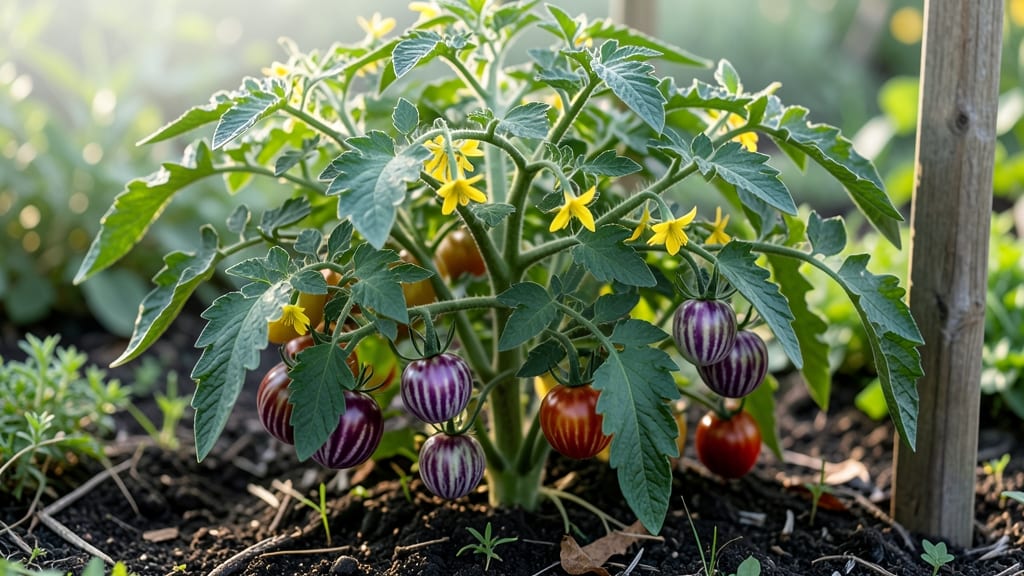
Growing Purple Zebra tomato seeds gives you those stunning purple-striped tomatoes in just 60 days—but the real magic happens when you see those first striped fruits ripening on the vine. 🌱 I’ve grown this heirloom for three summers now, and every time, the garden becomes a conversation piece when those deep purple-and-green tomatoes appear.
They’re not just pretty; they’re prolific, too, with plants often producing 20+ pounds of fruit per season.
The key to success starts with warm soil—wait until nighttime temperatures stay above 55°F before planting. Purple Zebras thrive in full sun (6+ hours daily) and well-draining soil rich in organic matter.
If your soil is heavy clay or sandy, amending with compost or a balanced fertilizer (like 5-5-5) makes all the difference. I’ve seen plants bolt when soil temperatures dip, so use a soil thermometer if you’re unsure.
By mid-summer, you’ll be harvesting those heirloom-worthy tomatoes that taste like a cross between a beefsteak and a cherry tomato—sweet with a hint of tang. The plants are vigorous but need sturdy support (cages or stakes work best) to handle their heavy fruit load.
Prune suckers regularly to improve airflow, which also helps prevent common issues like cracking or blight.
Here’s the best part: these tomatoes store well for 2-3 weeks in the fridge, so you can enjoy them long after the harvest ends. Whether you’re growing in containers or a raised bed, Purple Zebras deliver showstopping flavor and color—and they’re worth every extra minute of care.
Let’s get those seeds started!
📚 In This Guide
- What you need
- Instructions
- Tips and common mistakes
- Wrapping up and next steps
What you need
- ● Purple zebra tomato seeds – 1 packet (approx. 20-30 seeds)
- ● Seed-starting mix – 2-3 cups (lightweight, sterile, and well-draining)
- ● Seed trays or small pots – 2-3 (3-4 inches deep)
- ○ Grow lights or sunny windowsill – 6-8 hours of light daily (optional for early growth)
- ● Watering can or spray bottle – With a fine mist setting
- ● Fertilizer (balanced, 10-10-10 or organic) – Small amount for transplanting
- ● Trowel or small shovel – For transplanting seedlings
- ● Garden stakes or cages – 1-2 (to support vines as they grow)
- ○ Mulch (straw or shredded leaves) – Optional, to retain moisture
- ○ Pruning shears – Optional, for shaping plants
- ● Access to full sun (6+ hours/day) after transplanting
- ● Outdoor space (garden bed or large containers) or a greenhouse
- ● Patience! Purple zebras thrive in 60-70 days from seed to harvest.
Step-by-step instructions for growing purple zebra tomatoes
Here’s how I grow these stunning striped beauties—fast, healthy, and ready to harvest in just 60 days.
🌱 Step 1: Start Seeds Indoors 8-10 Weeks Before Last Frost
Fill 2-3 inch deep seed trays with a sterile seed-starting mix (never garden soil—it’s too dense and can harbor diseases). Moisten the mix until it’s damp but not soggy, then press it down lightly. Plant 2-3 seeds per cell at a depth of ¼ inch—about the diameter of the seed. Cover the seeds lightly with more mix, then mist the surface with water until evenly moist.
Place the tray in a warm spot (around 70-75°F) with bright light. A seedling heat mat speeds up germination, but a sunny windowsill works too. Keep the soil consistently moist—not wet, not dry—until you see sprouts. Germination takes 7-14 days, depending on temperature. Once seedlings emerge, remove the weakest one to leave the strongest plant per cell.
☀️ Step 2: Provide Bright Light and Prevent Leggy Growth
Purple Zebras need 14-16 hours of light daily to stay compact and strong. A south-facing window rarely provides enough intensity, so I use a grow light placed 2-4 inches above the seedlings. Raise the light as they grow to maintain that distance. Without enough light, seedlings stretch (called "leggy") and become weak—watch for thin, pale stems with leaves spaced far apart.
Rotate the tray a quarter turn daily so plants grow straight instead of leaning toward the light. Once seedlings have 2-3 sets of true leaves (not the first tiny cotyledons), fertilize lightly with a diluted fish emulsion (half-strength) to encourage sturdy growth. Over-fertilizing now can burn tender roots, so go easy.
🪴 Step 3: Harden Off and Transplant After Frost
Two weeks before your last frost date, start hardening off the seedlings by placing them outside in a sheltered spot for 1-2 hours the first day. Gradually increase their outdoor time by 1 hour daily over 10-14 days, slowly introducing more sun and wind. This prepares them for the garden and prevents shock.
Choose a sunny spot with 6-8 hours of direct sunlight and well-draining soil. Purple Zebras thrive in slightly acidic to neutral soil (pH 6.0-7.0). If your soil is heavy clay, mix in compost to improve drainage. Transplant seedlings 18-24 inches apart in rows 3 feet apart to allow for their sprawling vines. Bury them deeper than the original pot—this encourages stronger root growth.
💧 Step 4: Water, Feed, and Support for Maximum Yield
Water deeply 1-2 times per week, aiming for 1-1.5 inches of water per week. Keep the soil consistently moist but not waterlogged—Purple Zebras are drought-sensitive and may crack if stressed. Mulch around the base with 2-3 inches of straw or shredded leaves to retain moisture and suppress weeds. Avoid wetting the leaves when watering to prevent disease.
Fertilize every 2-3 weeks with a balanced tomato fertilizer (10-10-10 or 5-5-5) once flowers appear. Purple Zebras are heavy feeders, so don’t skimp—yellowing leaves signal a need for more nutrients. Install cages or stakes at planting to support their vines, as they can grow 4-6 feet tall. Prune suckers (the small shoots in the leaf axils) to direct energy to fruit production.
⏰ Step 5: Harvest and Enjoy Your Striped Treasure
Purple Zebras mature in 60-70 days from transplant, but watch for color changes—striped fruits turn from green to deep purple with yellow stripes when ripe. Harvest when fully colored but still firm to the touch. Gently twist the fruit from the vine or use pruning shears to avoid damaging the plant. The flavor intensifies after a light frost, so keep harvesting until the first freeze.
Store unripe tomatoes at room temperature to ripen, then refrigerate for up to 2 weeks. These tomatoes are best used fresh in salads, sauces, or sliced on sandwiches—their sweet-tart flavor and striking stripes make them a showstopper. Save seeds from your best fruits by fermenting the pulp in a jar for 3-5 days, then rinsing and drying them for next season’s crop.
Tips & tricks for growing stunning purple zebra tomatoes
Here's what nobody tells you about growing these showstopping striped tomatoes—tricks that'll make your harvest even more spectacular.
Lighting is Everything: Those 14-16 hours of daily light are non-negotiable for compact, sturdy plants. I've seen seedlings grow "leggy" and weak when they don't get enough light—watch for stems that stretch toward the light source like they're reaching for a hug. If using a grow light, keep it just 2-4 inches above the seedlings and raise it as they grow. A simple trick: rotate your seed trays a quarter turn daily so plants grow straight instead of leaning.
Seedling Selection Matters: When those first sprouts appear, don't rush to thin! Wait until you can clearly see which seedlings are strongest—look for the ones with the darkest green leaves and most vigorous stems. I always keep the strongest one per cell, gently snipping the others at the soil line with clean scissors. This gives your winner the best chance to become a thriving plant.
Transplanting Pro Tip: Bury those seedlings deeper than they were in their trays—up to the first set of true leaves. This encourages stronger root growth and helps prevent the plant from toppling over later. I like to make a small trench with my finger, place the seedling in it, and then gently pack soil around the base to secure it. This simple technique makes all the difference for sturdy plants.
Watering Wisdom: Those 1-1.5 inches of water per week are crucial, but timing matters too. Water in the morning so the leaves have time to dry before evening. I've noticed that watering from below (using a drip irrigation system or watering at the base) prevents disease better than overhead watering. And always check the soil before watering—stick your finger in about an inch deep. If it's damp, wait a day or two.
Pro Tips for Purple Zebra Tomato Seeds
- Here's what nobody tells you about growing these showstopping striped tomatoes—tricks that'll make your harvest even more spectacular.
- Lighting is Everything: Those 14-16 hours of daily light are non-negotiable for compact, sturdy plants.
- Seedling Selection Matters: When those first sprouts appear, don't rush to thin!
Frequently asked questions
Got questions about growing purple zebra tomato seeds? You’re not alone! Here are answers to the most common queries to help you cultivate these stunning striped beauties with confidence.
How long does it take for purple zebra tomato seeds to germinate?
Purple zebra tomato seeds typically germinate in 5–10 days when kept in warm (70–85°F), moist soil. For faster sprouts, soak seeds overnight in warm water before planting. Keep soil consistently damp but not soggy—patience is key!
What’s the best temperature range for growing purple zebra tomatoes?
These tomatoes thrive in warm climates (60–85°F). Start seeds indoors 6–8 weeks before the last frost, then transplant after soil temps hit 55°F+. If nights dip below 50°F, use row covers or grow in containers to protect them.
Can I save seeds from purple zebra tomatoes for next year?
Yes! Let a few tomatoes fully ripen on the vine, scoop out the gel and seeds, then ferment the mix in water for 2–3 days. Rinse, dry on paper towels, and store in a cool, dark place. Seeds stay viable for 2–4 years. Pro tip: Label them—hybrid varieties may not breed true!
Why are my purple zebra tomato leaves turning yellow?
Yellow leaves often signal overwatering, nutrient deficiency, or pests. Check soil moisture (let top inch dry between waterings) and test for nitrogen (use a balanced fertilizer like 10-10-10). Inspect undersides for aphids or spider mites—spray with neem oil if needed.
Are purple zebra tomatoes good for containers?
Choose a 5-gallon+ container with drainage holes and a sturdy trellis. Use lightweight potting mix and fertilize weekly with tomato-specific feed. Dwarf varieties like ‘Tiny Tim’ work well in pots, but standard zebras need space—prune regularly to encourage bushiness.
Wrapping up and next steps
Growing purple zebra tomato seeds is a rewarding journey that brings vibrant color and unique flavor to your garden in just 60 days! 🌱 Whether you're a seasoned gardener or a beginner, these striking striped tomatoes add beauty and versatility to your meals.
With the right care—sunlight, soil, and patience—you’ll soon be harvesting a bounty of eye-catching, delicious fruit.
Ready to dive in? Start by ordering your seeds today and give your garden (or balcony!) a splash of purple magic. Happy planting—your future harvest is waiting! 🌟