
Vegetables
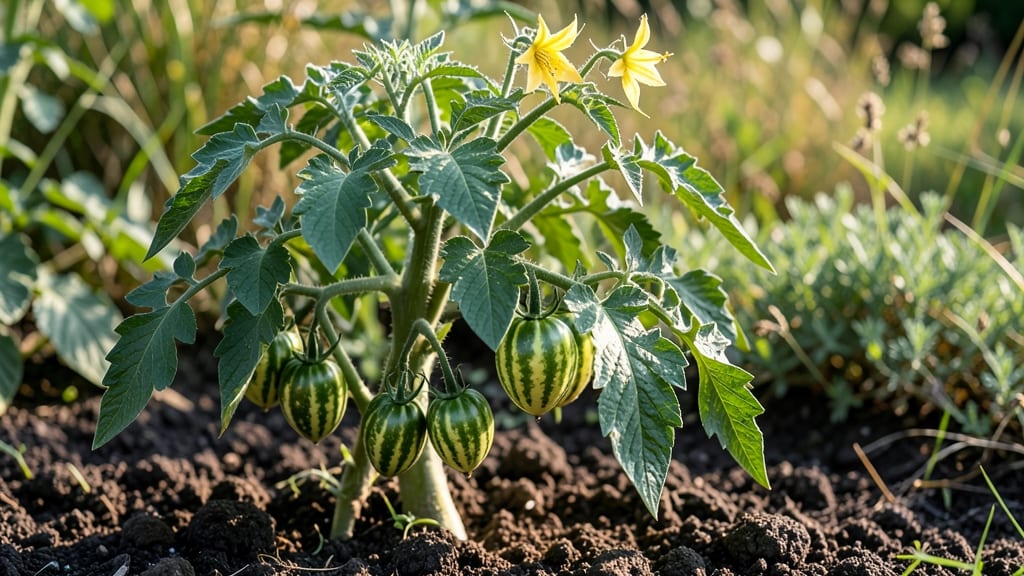
Growing a red tomato with green stripes turns your garden into a living work of art. 🌱 These striking heirlooms—like 'Green Zebra' or 'Striped Roma'—aren’t just pretty; they’re packed with bold flavor and unexpected sweetness that’ll make your neighbors ask for seeds. The secret to their vibrant stripes?
A genetic quirk that needs just the right balance of sun and nutrients. Too much nitrogen, and those green streaks fade to plain red. Too little water, and the skin cracks before harvest.
But get it right, and you’ll end up with tomatoes that look like they belong in a botanical illustration. You’ll know they’re ready to pick when the stripes stay crisp and the fruit yields slightly to gentle pressure.
Harvest early to prevent overripening, which dulls the stripes and flattens the flavor. Store them at room temperature for a week—or eat them fresh, because nothing beats that first bite of sun-ripened, striped perfection. These tomatoes thrive in full sun and well-draining soil, but they’re surprisingly adaptable.
Even in smaller containers, they’ll reward you with 3-5 pounds of fruit per plant if you keep them pruned and trellised. Here’s how to grow them like a pro!
📚 In This Guide
- What you need
- Instructions
- Tips and common mistakes
- Wrapping up and next steps
What you need
- ● Seeds: Red tomato with green stripes (e.g., 'Green Zebra' or 'Striped Roman'—check seed packets for exact varieties). Quantity: 3–5 seeds per plant (or pre-started seedlings from a nursery).
- ● Growing Containers or Garden Bed: Containers: 5-gallon pots or larger (1 plant per container) with drainage holes. Material: Fabric, plastic, or terracotta.
- ● Garden Bed: Well-draining soil in a sunny spot (6+ hours of sunlight daily). Size: Space plants 18–24 inches apart.
- ● Potting Soil: High-quality, seed-starting mix (sterile and light) for seedlings. Quantity: 1–2 cubic feet per batch of seeds.
- ● Fertilizer: Balanced Fertilizer: 10-10-10 or 5-5-5 NPK ratio for seedlings.
- ● Organic Option: Compost or worm castings (mix 1 part fertilizer to 3 parts soil).
- ● Watering Can or Hose: With a gentle spray nozzle for seedlings; a soaker hose for established plants.
- ○ Grow Lights (Optional but Helpful): LED or fluorescent lights (12–16 hours/day) if starting indoors before last frost.
- ● Support Structures: Cages or Trellis: 4–6 ft tall tomato cages or stakes for indeterminate varieties.
- ● Ties: Soft plant ties or cloth strips to secure vines.
- ● Pruning Shears: Bypass pruners (sharp and clean) for trimming suckers and shaping plants.
- ● Mulch: Straw or shredded leaves to retain moisture and suppress weeds.
- ● Drip Irrigation Kit: For consistent watering (especially in hot climates).
- ● Epsom Salt: 1 tablespoon per plant every 2 weeks for magnesium boost (great for green stripes!).
- ● Companion Plants: Basil, marigolds, or onions to deter pests and improve flavor.
- ● Garden Journal: To track growth stages, watering schedules, and any quirks of your striped tomatoes!
Step-by-Step instructions for growing striped tomatoes
Here's how to grow these showstopping striped tomatoes—no fancy genetics knowledge needed.
🌱 Step 1: Start Seeds Indoors 8-10 Weeks Before Last Frost
Fill small seedling trays with sterile seed-starting mix and press it down gently so it's firm but not compacted. Plant 2 seeds per cell at a depth of ¼ inch—they need light to germinate, so don't bury them too deep. I like to use a toothpick to make small divots for each seed, then cover lightly with more mix.
Place the trays in a warm spot (around 70-75°F) and keep the soil consistently moist but never soggy. You'll see sprouts in 7-14 days, but if your home runs cooler, consider using a seedling heat mat. The moment you spot the first true leaves (those are the second set after the initial cotyledons), thin to the strongest seedling per cell.
☀️ Step 2: Provide Strong Light After Germination
Tomatoes need 14-16 hours of light daily to prevent leggy growth. Move your seedlings under a grow light or to the brightest window you have immediately after germination. I position my lights 2-3 inches above the plants and raise them gradually as the seedlings grow to maintain that distance.
Watch for signs of light deficiency: if stems stretch thin and pale with large gaps between leaves, your plants are reaching for more light. Rotate the trays a quarter turn daily so they grow straight instead of leaning toward the light source. Strong seedlings will have sturdy stems and dark green leaves.
🪴 Step 3: Harden Off and Transplant After Last Frost
Two weeks before your last frost date, start hardening off your seedlings by placing them outside in a sheltered spot for 1-2 hours the first day. Gradually increase their outdoor time by 1 hour daily until they can handle a full day outside. This prepares them for the garden and prevents transplant shock.
Choose a sunny location with 6-8 hours of direct sun and well-draining soil. Plant your striped tomato seedlings 18-24 inches apart in rows 3 feet apart to give them room to grow. Bury the stems deeper than they were in their pots—this encourages stronger root growth. Water deeply right after transplanting to help settle the soil around the roots.
💧 Step 4: Water Deeply and Fertilize Regularly
Water your striped tomatoes at the base of the plant, keeping the soil consistently moist but not waterlogged. I aim to water 1-2 inches per week, adjusting based on rainfall. Avoid wetting the leaves to prevent disease, and always water in the morning so the foliage has time to dry out.
Feed your plants every 2-3 weeks with a balanced, water-soluble fertilizer (like 10-10-10) to encourage strong growth and vibrant color. You'll notice the striped pattern intensify as the fruits mature—this is a sign of healthy genetics at work. Prune suckers (the small shoots that grow between the stem and branches) regularly to direct energy toward fruit production.
✂️ Step 5: Support and Harvest for Best Results
Set up stakes or cages when you transplant your seedlings to support their growth. As the plants grow, gently tie the main stem to the stake with soft plant ties, being careful not to damage the stem. This keeps the plant upright and makes harvesting easier.
Harvest your striped tomatoes when they're fully colored and slightly soft to the touch. The green stripes will become more pronounced as the fruit ripens, making them a stunning addition to your garden. Keep an eye out for pests like hornworms—they love tomato plants and can defoliate them quickly. If you spot any, remove them by hand or use an organic insecticide.
Tips & tricks for growing stunning striped tomatoes
Here's what I learned after growing these eye-catching tomatoes for years—simple tricks that make all the difference.
Lighting Secret: Those 14-16 hours of light aren't just about growth—they're about preventing leggy seedlings. I use a timer for my grow lights to automate this, so I never forget. If you're using windowsills, rotate your trays daily to prevent plants from leaning toward the light source. You'll notice stronger stems and darker green leaves when you get this right.
Harden Off Gradually: The 1-2 hours to full day progression in Step 3 is crucial for preventing transplant shock. I start by placing seedlings in a sheltered spot where they get morning sun but are protected from afternoon winds. Watch for wilting—the first day or two is when they're most vulnerable. A slow transition gives their roots time to adjust to outdoor conditions.
Soil and Spacing Strategy: The 18-24 inch spacing isn't just about room to grow—it's about airflow. Crowded plants lead to more disease problems and weaker striped patterns. I always amend my soil with compost before planting, which helps maintain that consistent moisture without waterlogging. The deeper you bury those stems, the stronger your root system will develop.
Pest Prevention: Hornworms are the silent destroyers of striped tomatoes. I've found that planting basil nearby naturally repels them, and I always check the undersides of leaves regularly. If you spot one, remove it immediately—those caterpillars can defoliate a plant overnight. The striped pattern is your reward for keeping pests at bay!
Pro Tips for Red Tomato With Green Stripes
- Here's what I learned after growing these eye-catching tomatoes for years—simple tricks that make all the difference.
- Lighting Secret: Those 14-16 hours of light aren't just about growth—they're about preventing leggy seedlings.
- Harden Off Gradually: The 1-2 hours to full day progression in Step 3 is crucial for preventing transplant shock.
Frequently asked questions
Got questions about those eye-catching red tomatoes with green stripes? You’re not alone! Here are some of the most common queries—plus quick answers to help you grow (and enjoy) these showstopping veggies like a pro.
What causes the green stripes on red tomatoes?
Those striking green stripes are a genetic quirk! They’re often the result of a variegated trait (like in the 'Tigerella' or 'Green Zebra' varieties) or a grafting technique where two tomato types are fused. The stripes add visual flair but don’t affect taste or ripening—just the drama!
How long does it take for these tomatoes to ripen?
Ripening time varies, but most striped heirlooms (like 'Indigo Apple' or 'Black Krim' hybrids) take 70–90 days from transplanting. Watch for color shifts from green to bold red with stripes, then a slight softening. Pro tip: A gentle squeeze near the stem should yield slightly—like a ripe avocado!
Can I grow striped tomatoes in containers?
Just pick a 5-gallon+ container with drainage and a balanced fertilizer (like 10-10-10). Dwarf varieties like 'Tiny Tim' or 'Patio Princess' thrive in pots. Key tip: Prune suckers aggressively to focus energy on fruit, and stake them—their vines can get wild!
Why are my striped tomatoes cracking or staying green?
Cracking? Inconsistent watering (soil too dry, then suddenly soaked) is the usual culprit. For unripe green tomatoes, check:
Try these visually stunning but easy-to-find varieties:
Harvest early and ripen indoors if needed!
What’s a good alternative if I can’t find striped tomatoes?
Or experiment with grafting your own striped hybrids using a green-skinned tomato (like 'Green Grape') onto a red rootstock!
Wrapping up and next steps
Growing red tomatoes with green stripes isn’t just about adding a pop of color to your garden—it’s a rewarding journey into the fascinating world of heirloom genetics!
Whether you’re a seasoned gardener or a curious beginner, these bold beauties prove that even the most unexpected varieties can thrive with the right care. 🌱✨
Ready to take the next step? Start by saving seeds from your harvest or sourcing them from a trusted supplier. Then, plan your garden layout—these tomatoes deserve center stage! With patience and passion, you’ll soon be enjoying their vibrant flavor and turning heads in your neighborhood. Happy growing!