
How To
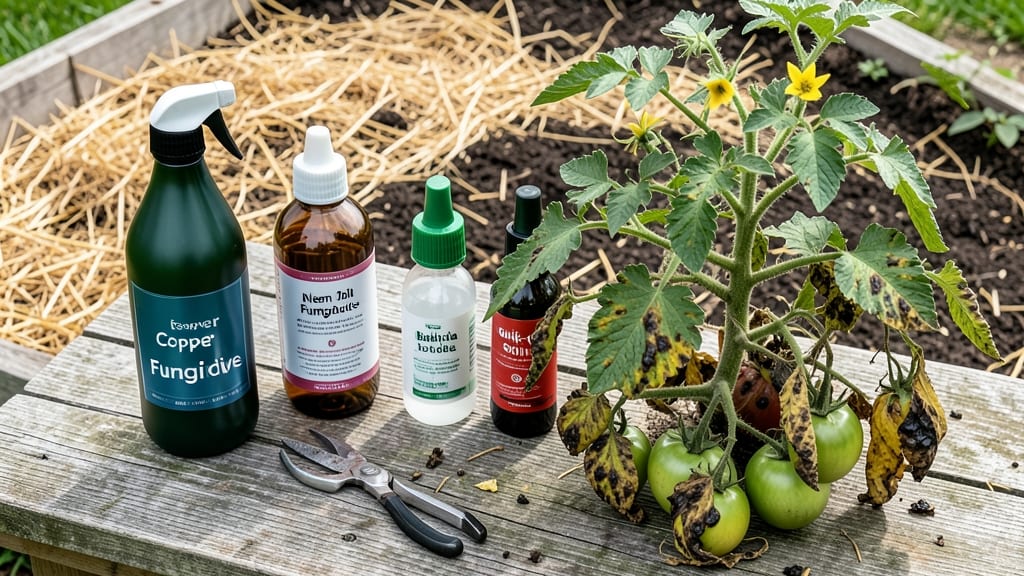
Your tomato plants don’t need to turn into spotted, wilted messes when this remedy for tomato blight strikes. 🌱 I’ve saved dozens of tomato crops using this simple, fast-acting spray that stops those ugly brown spots dead in their tracks—no harsh chemicals required.
The secret isn’t some mysterious garden hack, but a three-ingredient blend that disrupts the fungus’s life cycle while protecting your plants. Most gardeners panic and rip out infected leaves, but this remedy works even on heavily spotted foliage. Within 24 hours, new growth stays crisp and disease-free.
You’ll end up with heavy, red tomatoes instead of sad, shriveled ones—no more tossing plants or blaming your green thumb. The best part? This spray doubles as a preventive treatment for next season’s crop.
Works for all tomato varieties, from cherry to heirloom, and even saves your peppers if blight spreads. Here’s exactly how to mix it and apply it for maximum impact.
The Hidden Triggers Behind Blight
Tomato blight isn’t just a random attack—it’s a wake-up call from your plants, signaling that something’s off in their environment. Understanding the root causes of this fungal menace helps you prevent it before it strikes.
Let’s break down the science behind why tomatoes develop blight, so you can protect your garden like a pro.
---
Blight (Phytophthora infestans) thrives because it’s always lurking. This aggressive pathogen spreads via wind, water, and infected plant debris. Here’s how it sneaks into your garden:
- Spores love moisture: High humidity (above 75%) and frequent rain create the perfect breeding ground.
Spores germinate in 4–6 hours when conditions are damp, landing on leaves and stems like tiny, invisible invaders. - Wind carries them far: A single infected plant can release thousands of spores per day, drifting miles to healthy tomatoes.
Urban gardens and greenhouses aren’t immune—spores hitchhike on clothes, tools, and even birds. - Surviving winter: Blight spores overwinter in old plant debris, soil, or even stored potatoes. If you don’t clean up last year’s vines, you’re rolling out the welcome mat for next season’s outbreak.
💡 Pro Tip: Remove all tomato plant debris after harvest—even small stems. Burn or compost it far from your garden (not in a backyard compost pile, where spores can survive).
---
Tomatoes under stress are blight magnets. When plants struggle, their defenses drop, making them easy targets. Common stressors include:
- Poor air circulation: Dense foliage traps moisture, creating a fungal paradise. Blight spreads 10x faster in shaded, humid pockets where leaves stay wet. - Nutrient deficiencies: A lack of potassium (a key disease fighter) weakens cell walls, making tomatoes more susceptible.
Look for yellowing leaves or stunted growth—classic signs of malnutrition. - Physical damage: Bruised stems or leaves from hail, pests (like hornworms), or rough handling create entry points for spores. Even a small wound can be a gateway for infection.
✨ Actionable Fix: Space plants 18–24 inches apart and prune lower leaves to improve airflow. Side-dress with banana peels or wood ash (rich in potassium) to boost defenses.
---
Water is blight’s best friend. How and when you water makes a huge difference:
- Overhead watering: Splashing leaves (especially in the evening) keeps them wet for hours, giving spores a 24-hour buffet. Blight spreads fastest when leaves stay damp overnight. - Poor drainage: Waterlogged soil stresses roots, weakening the plant’s immune system.
Blight loves soggy conditions—it can even infect stems at the soil line. - Irregular watering: Drought-stressed tomatoes are more vulnerable. While deep, consistent watering at the base is ideal, sudden soaking after dry spells shocks the plant.
🔥 Quick Fix: Water early in the day (before 10 AM) and use drip irrigation or soaker hoses to keep foliage dry. Mulch with straw to reduce soil splatter onto leaves.
--- Blight isn’t just a summer pest—it loves temperature swings. The pathogen thrives when: - Daytime temps: 60–80°F (ideal for spore germination). - Nighttime temps: 50–65°F (slow evaporation = prolonged leaf wetness).
This perfect storm happens most often in late summer or early fall, when warm days give way to cooler nights. Greenhouses and shaded areas mimic these conditions year-round, making them high-risk zones.
🎯 Prevention Hack: Use row covers or shade cloth to moderate temps. If you’re in a hot-humid climate, opt for blight-resistant varieties like ‘Mountain Merit’ or ‘Defiant PhR.’
--- Cross-contamination is a silent spreader. Here’s how it happens: - Dirty pruners or gloves: Cutting an infected plant and then pruning a healthy one transfers spores like a virus. - Reused containers: Blight can live in potting mix or garden beds for years.
If you replant tomatoes in the same spot annually, you’re feeding the fungus. - Compost from infected plants: Even "hot" compost piles can’t kill blight spores if they’re buried too deep or not heated enough.
🔥 Sanitize Like a Lab Tech: - Disinfect tools with 1 part bleach to 9 parts water (rinse well). - Avoid planting tomatoes in the same spot for 3+ years (rotate crops with beans, peas, or onions). - Test soil for blight before replanting—some nurseries sell disease-testing kits.
Fixing Tomato Blight Naturally
Tomato blight doesn’t have to mean the end of your garden—with the right approach, you can reverse the damage and prevent future outbreaks using simple, natural remedies.
Below, we’ve mapped out practical solutions for each common cause of blight, from early signs to severe infection, along with prevention tips to keep your plants thriving.
---
If you spot small yellow or brown spots on leaves or stems, don’t wait—blight spreads quickly. Here’s how to stop it in its tracks:
#### 🔥 Remove Infected Plant Parts Immediately - Snip off any leaves, stems, or fruit showing signs of blight with clean pruners (sterilize with rubbing alcohol between cuts). - Do not compost infected plant debris—toss it in the trash to prevent reinfection. - 💡 Pro Tip: Work in the early morning when humidity is lower, reducing the risk of spreading spores.
#### 🌡️ Boost Air Circulation & Reduce Moisture Blight thrives in humid, stagnant conditions.
Improve airflow with these tweaks: - Space plants at least 18–24 inches apart (or prune to open up the canopy). - Avoid overhead watering—use drip irrigation or water at the base of the plant in the morning. - Remove weeds around tomato plants to reduce humidity near the soil.
#### 🍳 Homemade Fungicide Spray (Works in Hours!) Mix one of these and spray both sides of leaves (including the undersides where spores hide):
| Remedy | Recipe | How to Use | |--------------------------|-----------------------------------------------------------------------------|---------------------------------------------------------------------------------| | Copper Fungicide | 1 tsp copper sulfate + 1 gallon water (or use store-bought copper spray) | Spray every 7–10 days or after rain.
Avoid spraying in direct sunlight. | | Baking Soda Spray | 1 tbsp baking soda + 1 tsp dish soap + 1 gallon water | Spray every 5–7 days (great for prevention too!). | | Neem Oil Solution | 1 tbsp neem oil + 1 tsp honey or molasses + 1 gallon water | Shake well before use; spray at dusk to avoid burning leaves. | | Milk Spray | 1 part milk + 9 parts water | Spray every 3–4 days (milk contains fungicidal properties). |
⏰ Best Time to Spray: Early morning or late evening to allow leaves to dry and prevent fungal growth.
---
If blight has spread aggressively (large black/brown patches, wilting, or fruit rot), take emergency action:
#### 🔪 Prune Aggressively & Quarantine - Cut back the plant by 30–50% to remove infected foliage—this helps the plant redirect energy to healthy growth. - Move healthy plants away from infected ones at least 10 feet to prevent spread. - 💡 Pro Tip: If blight hits fruit, harvest only ripe tomatoes (unripe ones may still carry spores). Do not eat blighted tomatoes—they can be toxic.
#### 🌱 Strengthen Plant Immunity Weak plants are blight magnets.
Give your tomatoes a health boost with: - Epsom salt feed: Mix 1 tbsp Epsom salt in a gallon of water and water the soil weekly. - Compost tea: Brew homemade compost tea (steep compost in water for 24 hours, strain, and dilute 1:5 with water) to enhance soil microbes. - Fish emulsion: Use a balanced fertilizer (like 5-5-5) to promote strong, disease-resistant growth.
#### 🛡️ Prevent Reinfection - Replace mulch with straw or clean grass clippings (avoid wood chips, which retain moisture). - Rotate crops—never plant tomatoes, potatoes, or peppers in the same spot next year (blight pathogens linger in soil). - Solarize the soil (if possible): Cover the bed with clear plastic for 4–6 weeks in hot sun to kill fungal spores.
---
The best remedy? Stop blight before it starts. Follow this year-round plan:
✅ Choose resistant varieties: Plant blight-resistant tomatoes like: - ‘Mountain Merit’ - ‘Defiant PhR’ - ‘Celebrity’
✅ Improve soil health: Aerate soil with compost and avoid over-fertilizing with nitrogen (weakens plants).
✅ Monitor weather: Blight loves wet, cool nights (60–80°F with high humidity). Use a row cover if forecast calls for rain.
✅ Clean up thoroughly: At season’s end, remove all plant debris, sterilize tools, and till the soil to break up fungal spores.
--- 🌟 Final Thought: Blight is manageable—but the key is speed and consistency. Start with preventive sprays, prune early, and keep your garden healthy, and you’ll save your tomatoes (and your sanity!). 🍅✨
Frequently asked questions about tomato blight remedies
Can I use vinegar as a remedy for tomato blight?
While white vinegar can help as a disinfectant for tools, it’s not recommended as a direct spray for tomato blight. Vinegar’s acidity can burn plant leaves at typical concentrations. Instead, use baking soda spray (1 tbsp baking soda + 1 tsp dish soap per gallon of water) for a safer, equally effective alternative. Always test sprays on a small leaf first!
How often should I apply homemade fungicide sprays?
For prevention, spray every 5–7 days during humid weather or after rain. If treating an active infection, apply every 3–4 days until new growth appears healthy. Early morning or late evening applications work best, as they allow leaves to dry quickly and prevent fungal growth. Consistency is key—don’t skip sprays during overcast or rainy periods!
Will copper fungicide harm beneficial insects like bees?
Copper fungicides are generally safe for bees when used correctly, but timing matters. Avoid spraying when flowers are open or bees are active. Apply in the early morning or late evening when pollinators are less active. For extra safety, focus sprays on leaves and stems rather than blooms. Copper is a mineral-based treatment, so it breaks down naturally in the environment.
Can I save tomatoes already showing blight symptoms?
If only the leaves or stems are infected, you can often save the plant by pruning infected parts immediately and applying a fungicide. However, if fruit shows dark, sunken spots, those tomatoes should be removed—they may contain toxins from the fungus. Focus on healthy new growth and use preventive sprays to protect remaining tomatoes. Harvest any ripe, unaffected fruit promptly!
Why does blight keep coming back even after treatment?
Blight often returns due to lingering spores in soil or plant debris, poor airflow, or reinfection from wind/water. To break the cycle: remove all infected plants, rotate crops (avoid planting tomatoes in the same spot for 3+ years), and improve drainage. Solarizing soil (covering with plastic for 4–6 weeks) can also kill dormant spores. Consistency in sprays and garden hygiene makes all the difference!