
Plants
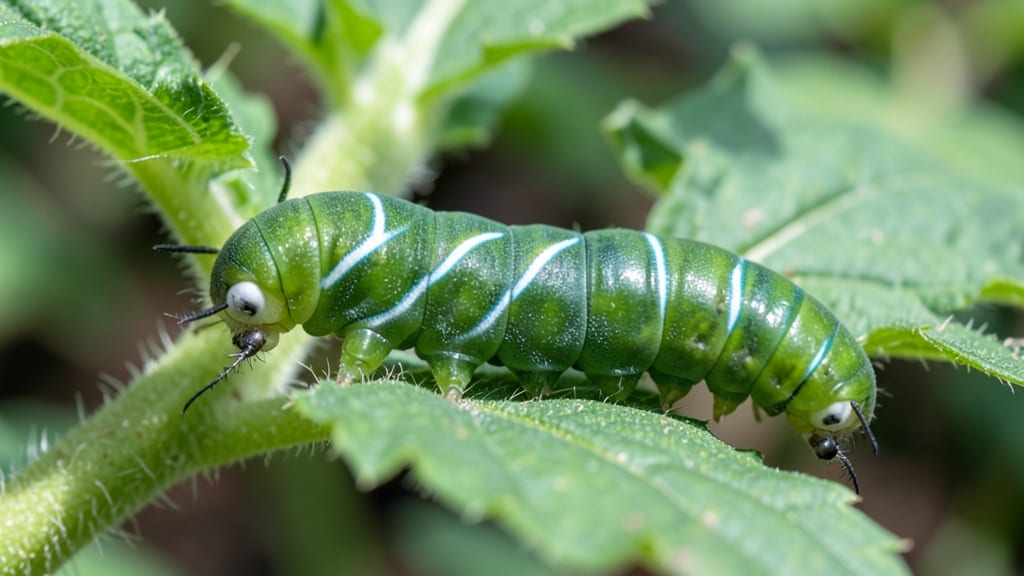
Those tiny small worms on tomato plants might be hornworms, cutworms, or even microscopic nematodes—but don’t panic. 🌱 I’ve battled them in my own garden, and with the right approach, you can save your plants and still enjoy a healthy harvest.
The key is acting fast before they skeletonize leaves or stunt growth.
Hornworms look like green caterpillars with white stripes, while cutworms hide near the soil at night. Nematodes? They’re invisible but leave gnarled roots. The damage adds up quickly—wilting, chewed foliage, and fewer tomatoes—but organic fixes work better than chemicals and won’t harm pollinators.
You’ll learn a 3-step rescue plan: handpick pests, introduce natural predators (like parasitic wasps or nematodes), and adjust watering to deter soil-dwelling worms. Most solutions take less than 30 minutes and cost almost nothing—just your time and a little observation.
Prevention is even easier: companion plants like basil or marigolds confuse pests, and row covers block invaders before they arrive. By the time your tomatoes start fruiting, you’ll wonder why you ever worried. Let’s get those plants back on track!
Root Causes of Tiny Tomato Invaders
Understanding why small worms infest your tomato plants is the first step to reclaiming your garden. These pests don’t just appear out of nowhere—they’re drawn to specific conditions that make your plants look like an all-you-can-eat buffet.
Below, we break down the science behind their arrival and why your tomatoes might be under siege.
Tomato plants produce chemicals called volatiles when they’re ripe, stressed, or injured. These compounds act like a dinner bell for pests like fruitworms and hornworms, signaling, "Free meal here!" 🍅🐛
- Why it happens:
- Ethylene gas (released by overripe tomatoes) lures adult moths to lay eggs on or near fruit.
- Physical damage (from hail, birds, or even pruning) exposes the plant’s juices, attracting egg-laying females.
- Volatile organic compounds (VOCs) from stressed plants (e.g., drought or nutrient deficiencies) mimic the scent of healthy, ripe fruit.
- Actionable fix:
- Pick tomatoes as soon as they ripen to remove the "call for help" signal.
- Inspect plants after storms or pruning—remove damaged fruit immediately.
- Use yellow sticky traps to catch adult moths before they reproduce.
Worms thrive in cluttered, neglected gardens where they can hide, pupate, and multiply undetected. If last season’s plant debris, weeds, or fallen leaves linger, you’re essentially giving them a five-star hotel.
- Why it happens:
- Organic matter buildup (like mulch or compost piles) provides moisture and shelter for worm eggs and larvae.
- Weeds (especially nightshade family plants like black nightshade or henbane) host alternate food sources for pests.
- Monoculture planting (growing only tomatoes year after year) exhausts soil predators (like nematodes or birds) that would otherwise keep worm populations in check.
- Actionable fix:
- Clean up thoroughly after harvest: Remove all plant debris, weeds, and fallen fruit from the garden bed and compost pile.
- Rotate crops—avoid planting tomatoes, peppers, or eggplants in the same spot for at least 3 years.
- Tilling in fall disrupts overwintering pupae, but do this only if needed (over-tilling can harm soil structure).
Many tomato worms (like tomato fruitworms or hornworms) are temperature-sensitive. Warm nights and high humidity create the perfect incubator for their rapid reproduction.
- Why it happens:
- Optimal temperatures (75–85°F) trigger faster egg hatching and larval growth.
- High humidity (above 60%) keeps eggs and young larvae from drying out.
- Long daylight hours (common in summer) extend the feeding window, allowing worms to grow larger before pupating.
- Actionable fix:
- Mulch strategically: Use straw or grass clippings (not wood chips) to retain moisture without trapping excess humidity around the base of plants.
- Prune for airflow: Thin out foliage to reduce humidity pockets where eggs thrive.
- Time your planting: In hot climates, opt for heat-tolerant varieties (like ‘Heatmaster’ or ‘Solar Fire’) and plant in early spring or late summer to avoid peak worm activity.
A healthy garden is a balanced ecosystem. When beneficial insects and creatures disappear, worms move in like uninvited guests at a feast.
- Why it happens:
- Pesticide use (even organic sprays) can kill parasitic wasps, ladybugs, and ground beetles that prey on worm eggs and larvae.
- Monoculture gardens lack biodiversity, so predators have fewer food sources to sustain their populations.
- Urban/suburban gardens often lack natural habitats (like wildflowers or brush piles) that attract predator species.
- Actionable fix:
- Plant companion flowers: Marigolds, dill, and basil attract predatory wasps and ladybugs.
- Install a "bug hotel": A simple pile of sticks or a hollow log near your garden encourages ground beetles and spiders.
- Avoid broad-spectrum sprays: Opt for targeted treatments (like Bt spray for worms) to preserve beneficial insects.
How to Fix Wormy Tomato Plants
Now that you know what’s munching on your tomato plants, it’s time to take action! The good news? Most small worm problems can be tackled organically with simple, effective methods. Below, we’ll match common culprits to targeted fixes—plus prevention tips to keep your plants thriving long-term.
Fix: These striped caterpillars can devour a plant overnight, but they’re easy to spot (and remove).
- 🔥 Handpick them early Check leaves daily, especially in the morning. Drop hornworms into soapy water (a bucket with a few drops of dish soap) to kill them instantly. Pro tip: 💡 Wear gloves—some gardeners report hornworms can give a mild sting!
- 🍳 Introduce natural predators Ladybugs, lacewings, and parasitic wasps (like Cotesia congregata) love hornworms. Plant dill, fennel, or parsley nearby to attract them.
- 👨🍳 Use BT (Bacillus thuringiensis) This organic bacteria kills caterpillars when ingested. Spray Bt kurstaki on leaves at dusk (it’s safe for humans and pets). Reapply after rain.
Fix: These microscopic worms twist roots into galls, stunting growth. Prevention is key—once established, they’re hard to eradicate.
- 🌡️ Solarize the soil (best for severe cases) Water the bed thoroughly, then cover it with clear plastic sheeting for 4–6 weeks in hot sun. The heat kills nematodes and eggs. Pro tip: ✨ Add marigolds to the rotation—they’re nematode-repellent!
- 🎯 Plant resistant varieties Choose tomato types like ‘Nematex’ or ‘Mountain Merit’, bred to tolerate nematodes. Avoid planting tomatoes in the same spot yearly.
- 💪 Boost soil health Amend soil with compost, coconut coir, or biochar to improve drainage. Add neem cake (a byproduct of neem oil) to the soil—it’s a natural nematode deterrent.
Fix: These pale, looped worms cut stems at soil level, toppling seedlings. Act fast!
- 🔪 Collar seedlings with cardboard Cut a 3-inch ring from a toilet paper roll or aluminum foil and wrap it around the stem at soil level. Bury the bottom 1 inch. Cutworms can’t crawl over it!
- 🥘 Use diatomaceous earth (DE) Sprinkle food-grade DE around the base of plants. It’s non-toxic but deadly to soft-bodied worms. Reapply after watering or rain.
- 🌙 Set up a beer trap Bury a shallow container filled with beer near the plant. Cutworms are attracted to the yeast and drown. Refresh every few days.
Keep your tomato plants worm-free with these low-effort habits:
- 🌱 Rotate crops – Never plant tomatoes (or other nightshades like peppers/eggplants) in the same spot two years in a row. - 🌿 Mulch wisely – Use straw or grass clippings (not fresh wood chips), which can harbor fungus gnats. - 🕵️ Monitor regularly – Check undersides of leaves, stems, and soil surface daily.
Early detection = easier fixes! - 🚫 Avoid overwatering – Damp soil attracts worms and fungal diseases. Water at the base in the morning. - 🌿 Plant companion plants – Basil, borage, and nasturtiums repel pests naturally.
Remember: Patience is key! Some fixes (like nematode control) take time, but consistency pays off. With these methods, your tomato plants will bounce back—and you’ll enjoy worm-free, juicy harvests all season. 🍅✨
Frequently asked questions
What do those tiny worms on my tomato plants look like?
Common culprits include hornworms (green with white stripes, up to 4 inches long) or cutworms (pale, looped, and hiding near soil). Root-knot nematodes are invisible but cause gnarled roots. Check undersides of leaves and stems daily—early ID means faster fixes!
Are these worms harmful to my tomato harvest?
Yes! Hornworms can skeletonize leaves in 24 hours, while nematodes stunt growth by damaging roots. Cutworms sever stems at soil level, killing seedlings. The good news? Organic fixes like Bt spray or handpicking work fast—just act before damage spreads.
How do I know if it’s nematodes vs. other worms?
Nematodes leave no visible signs above ground—look for gnarled, stunted roots when you dig up plants. Other worms (like hornworms or fruitworms) cause obvious leaf damage or holes in fruit. For confirmation, check roots or use a soil probe kit from garden centers.
Will my tomato plants recover after worm damage?
Young plants may need pruning to remove chewed leaves, but mature tomatoes are resilient. Focus on removing pests and boosting soil health with compost. If roots are damaged (from nematodes), replace the plant—recovery is unlikely. Healthy plants often bounce back with proper care!
Can I use chemical pesticides safely?
Chemicals like carbaryl kill worms but also harm bees and beneficial insects. For organic gardens, stick to Bt spray (safe for humans/pets) or neem oil. If you choose chemicals, apply at dusk when pollinators are inactive. Always follow label instructions!