
Pests
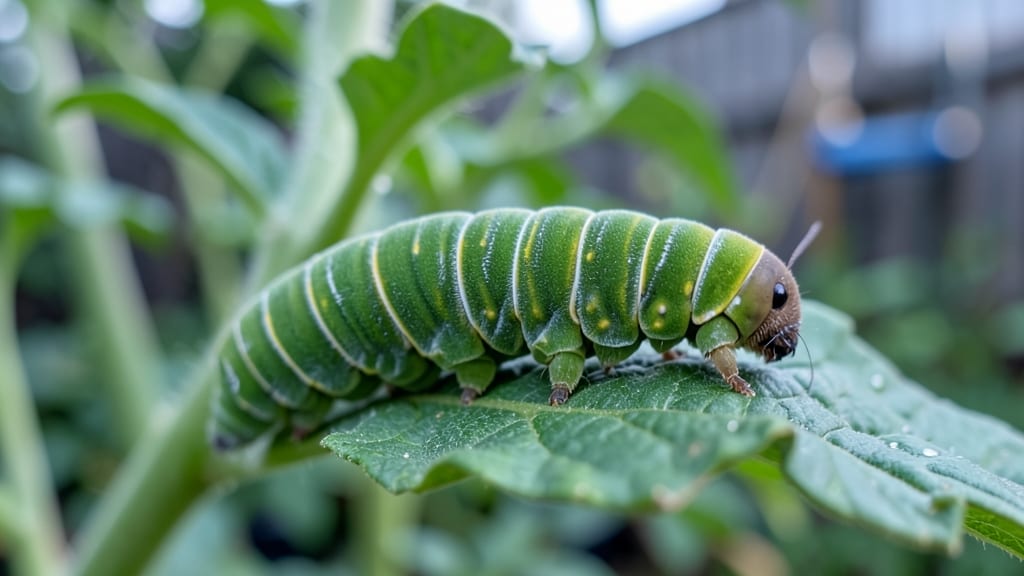
Finding a tomato worm caterpillar skeletonizing your plants in hours? 🌱 These striped caterpillars can devour a tomato plant overnight, but neem oil spray is your secret weapon for fast results. I’ve seen entire gardens saved within 24 hours of treatment—no more sad, half-eaten leaves or wilted vines.
The key is acting fast and applying neem oil correctly: mix it with water and a drop of dish soap, spray both sides of leaves, and repeat every 5-7 days until the caterpillars disappear. It’s not just about killing pests—it’s about protecting your harvest before they even get started.
You’ll notice the difference immediately: fewer holes in leaves, healthier vines, and tomatoes that stay intact until they’re ready to pick. The best part? This method works on other garden pests too, making it a versatile tool for any organic garden.
Works in all climates and garden sizes—whether you’re growing in containers or a full backyard plot. Let’s get those caterpillars under control before they ruin your season.
Root Causes Of Garden Invaders
If your tomato plants look like they’ve been hit by a tiny, green army, you’re likely dealing with Manduca sexta—the infamous tomato worm caterpillar. These voracious pests don’t just appear out of nowhere; their presence is usually a sign of underlying conditions in your garden.
Understanding why they target your tomatoes is the first step to stopping them in their tracks. Let’s break down the key factors that turn your lush garden into an all-you-can-eat buffet for these caterpillars.
The tomato worm’s life cycle starts with the adult moth, which is drawn to ripe, overripe, or even injured tomato fruit. Here’s why:
- Scent signals: Ripe tomatoes emit volatile organic compounds (VOCs) like hexanal and 2-isobutylthiazole, which act as a dinner bell for moths. These chemicals signal that the fruit is soft, sweet, and ready to be devoured—or, in the moth’s case, used as a nursery for eggs.
- Physical cues: Moths prefer to lay eggs on fruit that’s already been nibbled by pests (like aphids or fruitworms) or bruised. The damage creates tiny crevices where eggs can hide from predators and environmental stressors.
- Timing matters: Peak moth activity occurs at dusk and dawn, when temperatures are cooler and humidity is high—ideal conditions for egg-laying. If your garden stays moist in the evenings, you’re rolling out the welcome mat.
Actionable fix: Harvest tomatoes as soon as they ripen to remove the lure. Prune away damaged or overripe fruit before sunset, and consider using yellow sticky traps to intercept adult moths.
Healthy tomato plants are resilient, but when soil conditions are off, they become easy prey. Tomato worms thrive when plants are stressed, which happens due to:
- Nutrient deficiencies: A lack of nitrogen (critical for leaf growth) or potassium (which boosts disease resistance) makes plants more susceptible to pest attacks. Weak foliage is easier for caterpillars to chew through, and stressed roots can’t support vigorous growth.
- Overwatering or poor drainage: Waterlogged soil invites Fusarium or Verticillium wilt, which weakens the plant’s immune response. Caterpillars are drawn to plants already battling fungal or bacterial infections.
- Compacted or depleted soil: Soil lacking organic matter (like compost or worm castings) has fewer beneficial microbes to protect plant roots. These microbes help suppress pests naturally by outcompeting their larvae.
Actionable fix: Conduct a soil test to check pH and nutrient levels. Amend soil with compost or aged manure before planting, and ensure proper drainage. A balanced 10-10-10 fertilizer (or organic equivalent) can give tomatoes the strength to fend off pests.
Tomato worms are temperature-sensitive, and their populations explode when nighttime conditions are warm and humid. Here’s the science:
- Larval survival: Eggs hatch faster in temperatures above 75°F (24°C), and caterpillars grow 3x faster in humid environments. High moisture also prevents egg desiccation, ensuring more survivors.
- Moth activity peaks: Adult moths are most active when nights stay above 60°F (15°C). If your garden retains heat (e.g., from dark mulch or plastic covers), you’re creating a caterpillar paradise.
- Fungal competition drops: Many natural predators of tomato worms, like Beauveria bassiana (a beneficial fungus), thrive in cooler, drier conditions. Heat and humidity can suppress these allies.
Actionable fix: Use reflective mulch (like silver plastic) to reduce soil heat. Improve airflow around plants with pruning and spacing. If humidity is extreme, consider a fan on low speed near plants to dry foliage slightly.
Planting only tomatoes (or other nightshades like peppers and eggplants) sends a clear message to tomato worm moths: “All-you-can-eat buffet ahead!”. Here’s why monocrops fail:
- No natural predators: A diverse garden supports parasitoid wasps, ladybugs, and birds that prey on caterpillar eggs or larvae. Without this balance, pests multiply unchecked.
- Pheromone confusion: Some beneficial insects use pheromone traps to locate pests. In a monoculture, these signals get overwhelmed, reducing predator efficiency.
- Resource concentration: Pests like tomato worms have host-specific preferences. When their favorite food source is everywhere, they don’t need to search—and neither do their eggs.
Actionable fix: Interplant tomatoes with basil, marigolds, or dill, which repel moths or attract predatory insects. Add flower borders (like alyssum or cosmos) to encourage beneficial pollinators and wasps.
By addressing these root causes—ripe fruit signals, plant stress, climate conditions, and garden diversity—you’re not just treating the symptom (the caterpillars) but breaking the cycle that invites them in the first place. The next step? Proactive defenses to keep your tomatoes safe.
Quick Fixes For Garden Invaders
Now that you know why tomato worms and caterpillars crash your garden party, let’s roll up our sleeves and banish them for good! These solutions are practical, easy to follow, and tailored to different causes—whether it’s hungry pests, poor plant health, or a lack of natural predators.
Start with the fixes that match your situation, then add prevention tips to keep your tomatoes thriving.
If you’ve spotted a few caterpillars munching on your leaves, don’t wait—act fast!
- 👨🍳 Pick them off by hand (yes, really!). Wear gloves and drop them into soapy water to kill them instantly.
- 🕵️♂️ Check under leaves and in crevices—they love hiding in tight spots.
- 🌞 Do this in the early morning when they’re sluggish and easier to spot.
Pro Tip: 💡 If you’re squeamish, use tongs or a small net to avoid direct contact.
Neem oil is a powerhouse against tomato worms—it disrupts their life cycle while being safe for plants (and pets) when used correctly.
- 🔪 Mix 1–2 tbsp neem oil + 1 tsp mild dish soap + 1 quart of water in a spray bottle.
- 🌿 Spray thoroughly on both sides of leaves, stems, and soil around the base (caterpillars hide there too!).
- ⏰ Repeat every 5–7 days until the infestation is gone.
Pro Tip: 🌡️ Apply in the early morning or late evening to avoid burning leaves in direct sunlight.
Healthy tomatoes are less appealing to pests. Strengthen your plants with these tricks:
- 💪 Water at the base (not overhead) to reduce humidity, which attracts pests.
- 🍎 Add compost or balanced fertilizer (like 10-10-10) to give plants a nutrient boost.
- 🌿 Prune crowded foliage—less hiding spots = fewer caterpillars.
Pro Tip: ✨ Interplant with basil or marigolds—these repel pests naturally!
Instead of chemicals, let nature do the work! Attract birds, ladybugs, and parasitic wasps—they love eating tomato worms.
- 🐦 Install birdhouses or feeders near your garden.
- 🌼 Plant pollinator-friendly flowers (like dill, fennel, or alyssum) to draw in beneficial insects.
- 🚫 Avoid broad-spectrum pesticides—they kill helpful bugs too!
Pro Tip: 🎯 Leave some leaves with eggs—predators will find them faster than you will!
If your plants are already ravaged, protect them with row covers or collars:
- 🧶 Use floating row covers (lightweight fabric) over young plants to block pests.
- 🥫 Wrap tomato stems with cardboard collars (cut open toilet paper rolls) to stop caterpillars from climbing up.
- 🍅 For established plants, spray kaolin clay (a natural repellent) to make leaves unappetizing.
Pro Tip: 🔥 Combine barriers with neem oil for double protection!
Final Reminder: Consistency is key! Check your plants daily for new eggs or caterpillars, and act fast—the sooner you intervene, the easier it is to win. 🚀
Frequently asked questions
What exactly is a tomato worm caterpillar?
It's the larval stage of the tomato hornworm moth (Manduca sexta), a large green caterpillar with white stripes and a horn-like tail. These pests can grow up to 4 inches long and devour entire tomato leaves overnight. They're often confused with similar pests like tobacco hornworms, but tomato worms specifically target tomato plants and related nightshades.
How do I tell if my tomato plants have caterpillars?
Look for large holes in leaves, black droppings on foliage, and the caterpillars themselves hiding on undersides of leaves or near stems. Check plants daily at dawn when caterpillars are sluggish. Early signs include chewed leaf edges and skeletonized leaves where only veins remain.
Is neem oil safe for tomato plants?
Yes, when used correctly! Neem oil is organic and safe for plants, but it can cause leaf burn if applied in direct sunlight. Always spray in early morning or evening and avoid getting it on flowers or fruit. The dish soap in the mix helps it stick to leaves. For best results, apply every 5-7 days until caterpillars disappear.
What's the fastest way to get rid of tomato worms?
Hand-picking combined with neem oil spray gives the fastest results. Check plants daily and remove caterpillars by dropping them into soapy water. Follow up with neem oil treatment immediately - this two-pronged approach can eliminate an infestation within 3-5 days if you're consistent.
Will tomato worms come back next year?
They might if you don't address the root causes! The moths overwinter as pupae in soil, so practice crop rotation and remove plant debris. Use yellow sticky traps during the season to catch adult moths. Healthy plants with proper spacing and companion planting (like basil) significantly reduce recurrence rates.