
Watering
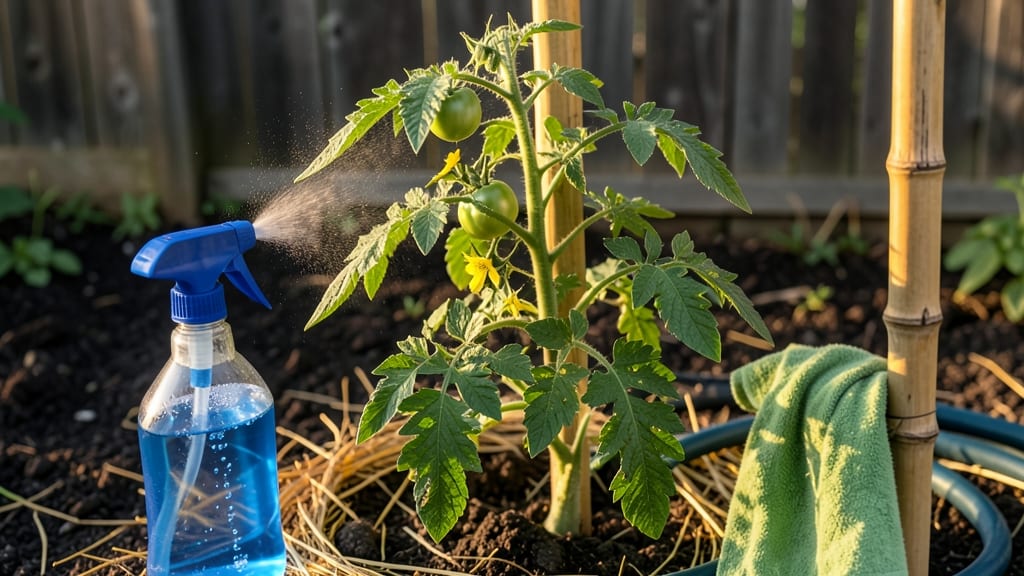
Your tomato plants might be screaming for help—and a soapy water spray could be the instant fix you’ve been missing. 🌱 Blossom end rot, aphids, and spider mites all retreat when you hit them with the right diluted soap solution, and the best part?
You’re using what’s already in your laundry room.
This isn’t about harsh chemicals—just a mild dish soap (like Dawn) mixed with water (1 teaspoon per quart). Spray it directly on pests or the undersides of leaves where they hide, and watch them vanish within hours.
The key is timing: apply in the early morning or evening when the sun isn’t scorching the plants.
You’ll see crisp, shiny leaves within days, and those calcium-deficient spots on your tomatoes? They’ll start healing as the plant recovers. Just avoid overdoing it—once a week is plenty unless pests return. For stubborn infestations, add a drop of neem oil to the mix for extra power.
Works for peppers, cucumbers, and other veggies too. The secret? Consistency—keep those leaves clean, and your plants will reward you with bigger, healthier fruit all season long.
📚 In This Guide
- What you need
- Instructions
- Tips and common mistakes
- Wrapping up and next steps
What you need
- ● Mild dish soap or castile soap: 1–2 teaspoons (use only mild, plant-safe soap—no detergents or bleach!).
- ● Water: 1 gallon (3.8 liters) of warm or room-temperature water per batch.
- ● Spray bottle or watering can: A 16–32 oz (500–1,000 mL) spray bottle for targeted treatment or a watering can for larger plants.
- ● Tomato plants: Healthy or struggling plants with signs of blossom end rot, pests, or fungal issues.
- ● Garden gloves: To protect your hands while mixing or applying the solution.
- ● Measuring spoons: For precise soap amounts (if you’re a perfectionist!).
- ● pH test strips: To check soil pH (ideal range for tomatoes: 6.0–6.8).
- ○ Neem oil or baking soda: Add 1 tsp per gallon to boost antifungal properties (optional).
How to use soapy water for tomato plants to prevent blossom end rot
Here's the simple, fast method I use to save tomato plants from blossom end rot—no fancy tools needed.
🧼 Step 1: Mix the Soapy Water Solution
Fill a spray bottle with 1 gallon of warm water (around 70°F). Add 1 teaspoon of mild liquid dish soap—I like Castile soap because it's gentle but effective. Swirl gently to combine without creating suds. Too much soap burns leaves, so keep it minimal.
The reason we use warm water is that it helps the soap dissolve evenly and activates faster on the plant's surface. You'll know it's ready when the mixture looks clear with just a faint shimmer—no bubbles or streaks.
🌿 Step 2: Spray the Solution on Tomato Leaves
On a calm evening (wind can spread the solution unevenly), spray the undersides of tomato leaves thoroughly. Focus on the older, larger leaves first, then move to the younger ones. You'll see the solution bead up slightly—this means it's coating the leaves properly. Avoid spraying flowers or fruit directly, as the soap can harm them.
I like to work in sections, starting from the bottom of the plant and moving upward. This ensures the solution reaches the roots' natural pathways through the leaves. After spraying, step back and observe the plant for 10 minutes—if you notice any leaves wilting slightly, that's normal and temporary.
☀️ Step 3: Apply Before and After Stressful Conditions
Use the soapy water solution once every 7-10 days during the growing season, especially before hot, dry spells or after heavy rain. These conditions stress tomato plants and trigger calcium uptake issues, which lead to blossom end rot. The soap helps the plant absorb calcium more efficiently by breaking down the waxy leaf coating slightly.
Here's the thing—you won't see immediate results. The solution works over time by improving the plant's overall health. After 3-4 applications, you'll notice leaves looking perkier and new growth appearing stronger. If you see early signs of blossom end rot (dark, sunken spots on fruit), apply the solution immediately and switch to calcium-rich fertilizer for faster recovery.
💧 Step 4: Follow Up with Proper Watering
The day after applying the soapy water, water your tomato plants at the base only with 1 gallon of water per plant. This helps rinse off any residual soap and prevents buildup. Use a soaker hose or drip irrigation to avoid wetting the leaves, which can dilute the soap's effectiveness and spread it to unintended areas.
Real talk: Don't overdo it. More than 4 applications per season can harm the plant's natural defenses. After each treatment, monitor the soil moisture—tomatoes need 1-2 inches of water per week, but soggy roots lead to the same problems we're trying to prevent.
✂️ Step 5: Combine with Calcium Treatments
While the soapy water improves calcium absorption, you'll still need to supplement it. Mix 1 tablespoon of crushed eggshells or bone meal into the soil around each plant every 4 weeks. This provides a slow-release calcium boost. Alternatively, use a calcium nitrate fertilizer (follow package instructions) for faster results.
I like to apply the eggshells right after watering so they sink into the soil where roots can access them. Within 2-3 weeks, you'll see new growth with fewer signs of stress. If blossom end rot persists, check your soil pH—tomatoes thrive in 6.2-6.8 range. Adjust with lime if needed.
Tips & tricks for perfect soapy water tomato treatments
These simple strategies will help you get the most out of your soapy water treatment—without harming your plants.
Solution Consistency: The key to an effective spray is getting the soap-to-water ratio just right. After mixing your 1 gallon of warm water (70°F) with 1 teaspoon of mild liquid dish soap, let it sit for 5 minutes before using. This gives the soap time to fully dissolve and prevents clumping that could clog your spray bottle. I always give it a gentle swirl one last time right before spraying to ensure even distribution.
Targeted Application: When spraying in Step 2, focus on the undersides of leaves where the stomata (tiny pores) are most concentrated. These pores absorb the solution most efficiently. I start with the largest, oldest leaves and work my way up—they've had more time to develop that waxy coating that blocks calcium absorption. Avoid spraying when leaves are wet, as this can dilute the solution and reduce effectiveness.
Timing is Everything: The 10-minute observation period after spraying isn't just about watching for wilting—it's also your chance to check for even coverage. You should see the solution bead up slightly on the leaves without pooling. If you notice dry spots, give those areas a quick second spray. This step ensures maximum absorption while preventing runoff that could harm nearby plants or soil.
Complementary Care: While the soapy water treatment works wonders, pairing it with proper calcium supplementation makes all the difference. After your 3-4 applications, I recommend adding 1 tablespoon of crushed eggshells to the soil every 4 weeks. The eggshells provide a slow-release calcium source that works in tandem with the soap's absorption boost. Think of it like giving your plants a two-part vitamin—one for absorption, one for supply.
Pro Tips for Soapy Water For Tomato Plants
- These simple strategies will help you get the most out of your soapy water treatment—without harming your plants.
- Solution Consistency: The key to an effective spray is getting the soap-to-water ratio just right.
- Targeted Application: When spraying in Step 2, focus on the undersides of leaves where the stomata (tiny pores) are most concentrated.
Frequently asked questions
Got questions about using soapy water on your tomato plants?
You’re not alone! Here are answers to the most common concerns—so you can grow healthier tomatoes with confidence.
How often should I use soapy water on tomato plants?
Apply soapy water once every 2–4 weeks during the growing season (spring to fall). Overuse can strip natural oils from leaves, so stick to this schedule unless pests or blossom end rot persist. Always rinse plants thoroughly afterward to avoid residue buildup.
How quickly does soapy water fix blossom end rot?
Soapy water helps prevent blossom end rot by improving calcium uptake, but it won’t reverse existing damage overnight. Combine it with consistent watering and calcium-rich amendments (like crushed eggshells) for best results. New growth should show improvement within 1–2 weeks.
What kind of soap should I use for tomato plants?
Use mild, plant-safe soap like dish soap (e.g., Dawn) or horticultural soap. Avoid heavy-duty or scented soaps, which can harm plants. Mix 1 tsp soap per gallon of water—never use undiluted soap!
Are there alternatives to soapy water for tomato plants?
Yes! Try these natural remedies for blossom end rot or pest control:
- Epsom salt solution: 1 tbsp per gallon of water (boosts magnesium).
- Neem oil: 1 tsp per quart of water (pesticide + fungicide).
- Compost tea: Enhances soil microbes and nutrient uptake.
- Fish emulsion: Adds calcium and nitrogen.
What if my tomato plants look worse after soapy water treatment?
If leaves turn brown, crispy, or yellow, you may have overdone it. Flush plants immediately with clean water and reduce future applications. Check for other issues like overwatering or nutrient deficiencies. If symptoms persist, test your soil’s pH (ideal: 6.0–6.8) and adjust as needed.
Wrapping up and next steps
Using soapy water for tomato plants is a simple, budget-friendly way to combat blossom end rot and boost your garden’s health—no fancy tools required! 🌱 With just mild soap, water, and a little patience, you can turn struggling tomato plants into thriving, fruit-bearing powerhouses.
The best part? This method is gentle on the environment and your wallet.
Ready to give it a try? Start by testing this technique on one or two plants, observe the results, and gradually expand if successful. Happy gardening—your tomatoes (and future harvests) will thank you! 🍅✨