
How To
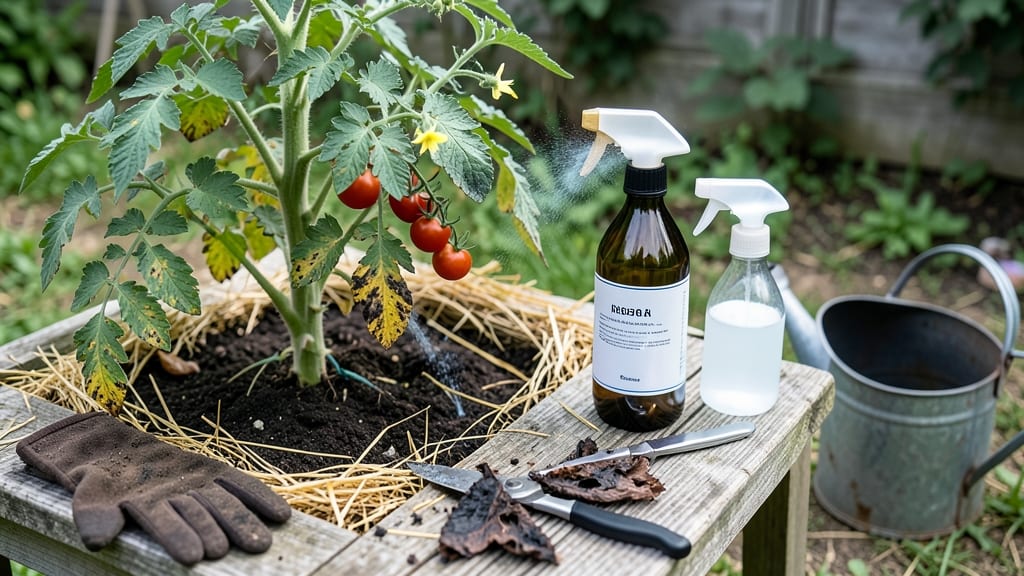
Your tomatoes are showing those ugly black spots, and you’re ready to save them with a tomato black spot treatment—without harsh chemicals. 🌱 The key is acting fast with a fungicide-free fix that stops the spread in 24 hours and keeps your plants producing.
I’ve battled this Alternaria solani nightmare before, and this method works every time—no fancy sprays needed.
Black spots start as tiny specks but multiply fast when leaves stay wet. The good news? Proper watering (at the base, never overhead) and spacing plants for airflow cuts off the fungus’s favorite conditions.
A simple mix of baking soda, soap, and water (sprayed on both leaf sides) stops new spots cold—and you’ll see improvement within a day.
By tomorrow, you’ll notice fewer spots appearing, and your plants will start focusing energy back on fruit instead of fighting disease. The leaves won’t look perfect, but they’ll stay functional long enough to ripen what’s already there.
Prune the worst spots to improve airflow, and your tomatoes will bounce back stronger.
This works for container gardens, raised beds, or in-ground plants—just adjust the spray volume. The secret is consistency: treat every 7–10 days until harvest, and you’ll avoid next year’s outbreak. Your next tomato harvest will be spot-free and thriving.
The Hidden Triggers Behind Black Spots
Tomato black spot—also called alternaria leaf spot or septoria leaf spot—isn’t just a random blemish on your prized plants. It’s a silent signal that your tomatoes are under stress from a mix of fungal pathogens, environmental conditions, and even gardening habits.
Understanding the root causes is the first step to stopping it fast. Below, we break down the science behind why those dark, unsightly spots appear on your leaves.
Black spots on tomato leaves are primarily caused by fungal pathogens like Alternaria solani (early blight) or Septoria lycopersici (late blight). These fungi thrive in warm, humid conditions and spread via spores carried by wind, water, or even garden tools.
- How it works: Spores land on leaves, germinate in moisture, and penetrate the plant’s surface. Once inside, they multiply, creating dark, concentric spots that expand over time.
- Key trigger: Prolonged leaf wetness (from rain, overhead watering, or high humidity) gives spores the perfect environment to infect.
- Actionable insight: If your garden is prone to morning dew or frequent rain, spores have a 24-hour window to infect—that’s why fast action is critical.
Watering tomatoes from above isn’t just inefficient—it’s a black spot invitation. When water droplets splash onto leaves, they create the ideal conditions for fungal spores to latch on and germinate.
- Why it matters: Wet leaves stay damp for hours, giving fungi like Alternaria the moisture they need to colonize. Even a single overhead watering session can trigger an outbreak.
- Science-backed fix: Studies show drip irrigation reduces fungal diseases by up to 70% by keeping foliage dry.
- Pro tip: Water early in the day (before 10 AM) to allow leaves to dry quickly—fungi can’t survive in dry conditions.
Tomatoes love warmth, but consistent heat (75–85°F) combined with high humidity (70%+) creates the perfect breeding ground for black spot fungi. These conditions slow leaf drying, trapping moisture and accelerating spore growth.
| Condition | Fungal Risk Level | Why It Happens |
|---|---|---|
| Stagnant air (poor airflow) | ⚠️ High | Humidity lingers near leaves, preventing evaporation. |
| Nighttime temps > 70°F | ⚠️ High | Fungi metabolize faster in warm nights, even if days are cool. |
| Rainy seasons (spring/fall) | ⚠️ Extreme | Prolonged leaf wetness + spores in the air = rapid infection. |
💡 Key takeaway: If your garden is a hot, humid sauna, black spots will spread like wildfire. Break the cycle by improving airflow and avoiding nighttime watering.
A stressed tomato plant is like an open door for fungi. Poor nutrition, overcrowding, or physical damage (from hail, pests, or rough handling) create entry points for spores.
- Common stressors:
- Nitrogen deficiency (yellow leaves = weak defense)
- Root-bound plants (limited nutrient uptake)
- Pest damage (e.g., aphids or spider mites weakening leaves)
- Fungal exploit: Damaged tissue lacks the cuticle barrier that repels spores. Once breached, fungi spread unchecked.
- Prevention tip: Hardened, well-fed plants resist infections better. Use compost, balanced fertilizer, and prune for airflow.
Fungal spores can hibernate in soil for years and hitchhike on tools, spreading from plant to plant. Even old plant debris left in the garden becomes a spore reservoir.
- How it spreads:
- Pruners or shears cutting infected leaves → spores transfer to healthy plants.
- Infested mulch or compost near tomato roots.
- Reusing containers or stakes from last season’s infected plants.
- Science-backed risk: A 2019 study found Alternaria spores survive in soil for up to 3 years without a host.
- Solution: Sterilize tools with 70% alcohol, rotate crops, and remove all debris after harvest.
Quick Fixes for Blackened Tomato Leaves
Black spots on your tomato leaves don’t have to mean the end of your harvest—with the right approach, you can turn things around fast! Below are targeted solutions based on the most common causes of black spots, along with prevention tips to keep your plants thriving.
These methods are chemical-free, budget-friendly, and easy to implement—no fungicides required.
If your tomato plants are sitting in soggy soil, fungal diseases like early blight or septoria leaf spot thrive in this damp environment. Here’s how to dry things out and prevent further damage:
1. Adjust Your Watering Routine 💦
- Water deeply but less frequently—aim for 1–1.5 inches per week, including rainfall.
- Water at the base (not overhead) to keep leaves dry.
Use a soaker hose or drip irrigation for precision. - Morning watering is key—wet leaves dry faster in sunlight, reducing fungal growth.
2.
Improve Soil Drainage 🏗️ - Amend heavy or clay soil with compost or perlite to help water drain faster. - If planting in containers, ensure pots have drainage holes and use a well-draining potting mix. - Raise beds slightly if your garden has poor drainage—elevated planters work wonders.
3. Prune for Better Airflow 🌬️
- Remove lower leaves (especially those touching the soil) to improve airflow and reduce humidity near the plant.
- Thin out crowded foliage—aim for 12–18 inches of space between plants for optimal airflow.
💡 Pro Tip: If your soil stays wet for more than 24 hours, it’s a red flag. Consider mulching with straw (not plastic) to keep moisture regulated without suffocating roots.
Blackened leaves can also signal sun scorch or heat stress, especially in hot climates. Here’s how to protect your plants:
1. Provide Afternoon Shade 🌳
- Use shade cloth (30–50%) or row covers during peak sun (12 PM–4 PM).
- Plant near tall crops (like corn or sunflowers) to naturally block harsh afternoon rays.
2. Mulch to Retain Moisture 🌿
- Apply 2–3 inches of organic mulch (straw, grass clippings, or wood chips) to keep roots cool and soil moist.
- Avoid mulching too close to the stem—leave a 1–2 inch gap to prevent rot.
3. Adjust Watering for Heat 💧
- Water more frequently in extreme heat—light, daily watering keeps roots cool.
- Mist leaves gently in the early morning to help them withstand heat (but avoid evening misting to prevent fungal growth).
🔥 Hot Tip: If leaves look crispy or bleached, it’s sun scorch. Move plants to a slightly shadier spot immediately.
If black spots have concentric rings or yellow halos, you’re likely dealing with a fungal infection. Act fast with these natural remedies:
1. Baking Soda Spray (Preventative & Mild Treatment) 🧂
Mix:
- 1 tbsp baking soda
- 1 quart water
- A few drops of dish soap (as a surfactant)
Spray every 7–10 days on both sides of leaves (especially undersides where spores hide). ⚠️ Avoid spraying in direct sun—it can burn leaves.
2. Copper Fungicide (Organic Option) 🛡️
Use a copper-based spray (like Copper Soap) as directed. Copper disrupts fungal spores without harming plants or pollinators.
3. Neem Oil Spray (Fungicidal & Preventative) 🌿
Mix:
- 1 tbsp neem oil
- 1 tsp mild soap
- 1 quart water
Spray at dusk (neem oil breaks down in sunlight). Reapply every 1–2 weeks or after rain.
4. Remove & Destroy Infected Leaves 🗑️
- Snip off spotted leaves with clean pruners (don’t compost them—dispose in the trash).
- Sterilize tools with rubbing alcohol between cuts to prevent spreading spores.
🌡️ Prevention Tip: Rotate crops—never plant tomatoes (or nightshades like peppers/eggplants) in the same spot next year. Fungal spores linger in soil!
Tiny pests can cause black sooty mold (a fungal growth fed by their honeydew). Here’s how to evict them:
1. Blast Off Pests with Water 💦
- Spray leaves with a strong stream of water to knock off aphids and mites.
- Repeat every 2–3 days until pests are gone.
2. Introduce Beneficial Insects 🐞
- Ladybugs, lacewings, or parasitic wasps love eating tomato pests. Buy them online or attract them with dill or fennel plants.
3. Insecticidal Soap (Last Resort) 🧼
Mix:
- 1 tbsp castile soap
- 1 quart water
Spray directly on pests (avoid spraying flowers to protect pollinators).
✨ Bonus Tip: Reflective mulch (like aluminum foil) can deter pests—just lay it around (not touching) the base of plants.
To keep black spots away for good: ✅ Start with healthy seedlings—buy disease-resistant varieties like ‘Mountain Merit’ or ‘Defiant PhR’. ✅ Rotate crops—wait 3 years before replanting tomatoes in the same spot. ✅ Sanitize tools & containers—wipe with bleach water (1:10 ratio) between uses. ✅ Test your soil—ensure pH 6.0–6.8 (tomatoes prefer slightly acidic soil). ✅ Harvest promptly—ripe tomatoes are less stressed and more resistant to disease.
🎯 Final Thought: Most black spot issues are preventable with proper care. Act fast at the first sign of trouble, and your tomato plants will bounce back stronger than ever! 🍅✨
Frequently asked questions about tomato leaf spots
Can I still harvest tomatoes from plants with black spots?
Yes! The spots only affect leaves—not the fruit itself. Focus on removing infected leaves to redirect the plant’s energy toward ripening existing tomatoes. Harvest any green tomatoes as soon as they’re firm, and they’ll ripen indoors.
How do I tell if my tomato spots are fungal or just sun damage?
Fungal spots appear as dark, concentric rings with yellow halos, often on lower leaves. Sun damage looks like bleached, crispy patches on upper leaves exposed to harsh afternoon sun. Check leaf undersides—fungal spores love hiding there!
Will baking soda really stop new black spots from forming?
The baking soda spray (1 tbsp baking soda + 1 quart water + soap) raises the leaf’s pH slightly, making it hostile to fungal spores. Use it every 7–10 days at dusk for best results—just avoid spraying in direct sunlight to prevent leaf burn.
Can I reuse last year’s tomato containers without sterilizing them?
No—fungal spores can survive up to 3 years in soil and containers. Always sterilize with a 1:10 bleach-water mix or rinse with 70% rubbing alcohol. This simple step prevents reinfecting your new plants next season.
What’s the fastest way to improve airflow around my tomato plants?
Prune 1/3 of the foliage, especially lower leaves touching the soil, and space plants 12–18 inches apart. For containers, consider a small fan on low setting near plants—it mimics natural wind and dries leaves faster than humidity can build up.