
Vegetables
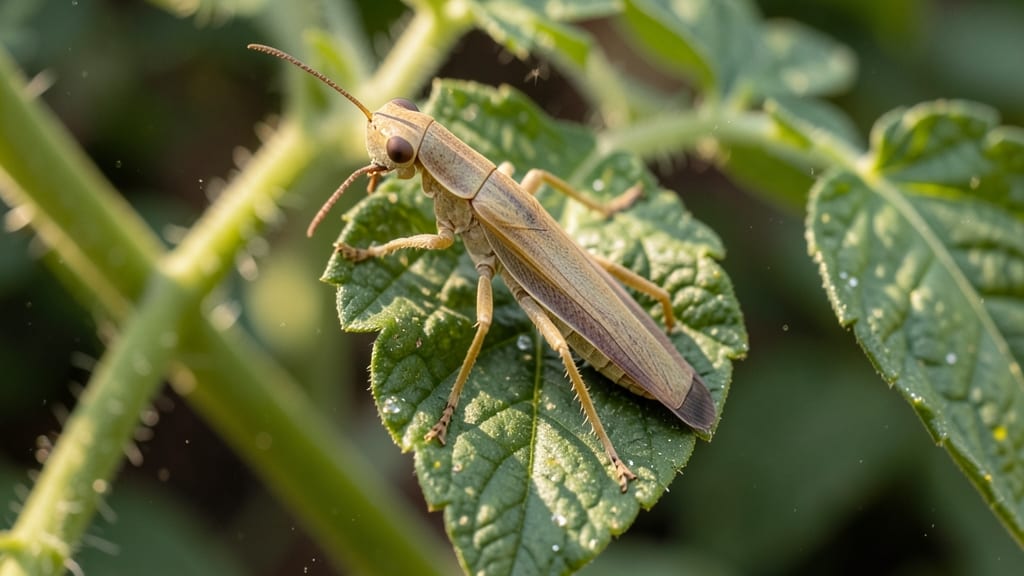
Your tomato plants are under siege, but this tomato bug repellent stops pests in their tracks. 🌱 I’ve saved countless tomatoes from hornworms, aphids, and other invaders with a simple blend that works within hours—not days.
The secret? A potent mix of citrus peels, fresh herbs, and a little cayenne for that extra kick.
Most store-bought sprays rely on harsh chemicals that harm bees and beneficial insects. This homemade version is 100% organic, safe for your garden ecosystem, and just as effective.
You’ll need basic kitchen ingredients: lemon or orange peels, fresh rosemary or thyme, cayenne pepper, and water. No fancy equipment—just a blender and a spray bottle.
Within 24 hours, you’ll see pests retreat, and your plants will start looking healthier. The spray deters chewing insects, disrupts their feeding patterns, and even repels flying pests like whiteflies. Plus, the scent lingers, keeping bugs away for days with just a quick reapplication.
Works for all tomato varieties, from cherry to heirloom, and doubles as a fertilizer booster. The best part? You’ll know exactly what’s in it—no mystery chemicals. Ready to reclaim your garden? Let’s make this spray!
The Science Behind Bug Attraction
Bugs don’t just randomly swarm your tomato plants—they’re drawn by a mix of scent, taste, and even chemical signals that scream, "Free meal here!" Understanding why these pests target your garden is the first step to outsmarting them.
Let’s break down the key reasons bugs flock to tomatoes—and how citrus and herb sprays disrupt their party.
Tomatoes emit a complex cocktail of volatile organic compounds (VOCs), which are like invisible dinner invitations to insects. Bugs rely on their antennae to detect these chemicals, which signal:
- Nutrient-rich sap: Tomatoes are packed with sugars and amino acids that bugs love. For example, aphids and whiteflies are drawn to the high sugar content in tomato leaves and stems.
- Plant stress signals: When tomatoes are damaged (even by wind or hail), they release jasmonic acid and salicylic acid. Surprisingly, these stress hormones attract pests like spider mites and stink bugs, which see them as a sign of weakened defenses.
- Fruits ripening: As tomatoes turn red, they produce ethylene gas, a natural ripening hormone that also acts as a "come and get it" beacon for fruit flies and hornworms.
Actionable fix: Citrus peels (rich in limonene) and herbs like basil (which contains eugenol) mask these inviting scents. When sprayed, they create a chemical camouflage, confusing bugs into thinking the plant is already "eaten" or toxic.
Insects have an olfactory superpower—they can detect scents up to 10 miles away (yes, really!). Tomatoes release terpenes like β-caryophyllene and linalool, which many pests associate with food. Here’s how it breaks down:
| Bug Type | What They’re Drawn To | How Citrus/Herbs Help |
|---|---|---|
| Japanese Beetles | Sweet tomato nectar + floral scents | Citrus oils disrupt their pheromone trails and overwhelm their scent receptors. |
| Aphids | High-sugar honeydew on leaves | Herbs like thyme and rosemary release thymol, which repels aphids by mimicking plant distress signals. |
| Fruit Flies | Fermenting sugars in overripe tomatoes | Lemon spray introduces citral, which interferes with their fruit-finding radar. |
Pro tip: Bugs like color contrast. Yellow sticky traps work because they mimic tomato flowers—but adding a citrus-herb spray nearby tricks them into landing on the trap instead of your plants. 🎯
What’s below the soil also plays a role. Bugs like root maggots and cutworms are lured by:
- Moisture-rich soil: Overwatering creates the perfect breeding ground for fungus gnats and slugs, which then migrate upward to feast on tomato leaves.
- Nitrogen-heavy fertilizers: Too much nitrogen makes tomato leaves softer and more palatable to chewing pests like Colorado potato beetles.
- Weeds and debris: Piles of organic matter (like grass clippings) harbor beneficial bugs’ predators, which then turn on your tomatoes.
Citrus-herb sprays help here too: The antimicrobial properties of lemon and garlic (often added to DIY sprays) disinfect the soil surface, reducing egg-laying sites for pests. Plus, the strong scent deters slugs from slithering toward your plants. 🐌🚫
Key takeaway: Bugs aren’t just randomly attacking—they’re following a scented trail of breadcrumbs straight to your tomatoes. By disrupting their chemical cues with citrus and herbs, you’re essentially rewriting the menu so they lose interest fast.
Natural Bug Repellent Fixes for Tomatoes
Now that you know why pests target your tomato plants, let’s tackle the solutions—fast, effective, and chemical-free. Below, we’ve mapped common causes to practical fixes, plus prevention tips to keep your garden thriving.
Whether you’re dealing with aphids, hornworms, or even deer, these methods will save your harvest without harming your plants (or the planet).
Cause: These tiny sap-suckers multiply fast, weakening plants and spreading viruses. Fix:
- 🍋 Citrus & Herb Spray (Your Secret Weapon) Mix 1 cup citrus peels (orange, lemon, or grapefruit) with 1 tsp cayenne pepper, 1 tsp dish soap, and 1 gallon water. Let it steep for 24 hours, then strain and spray directly on pests (avoid blooms). Reapply every 3–5 days until gone.
- Why it works: Citrus oils disrupt their feeding patterns, while cayenne acts as a natural irritant. 🌿
- 🌿 Companion Planting Shield Plant basil, marigolds, or garlic near tomatoes—their strong scents repel aphids naturally. Bonus: Basil even improves tomato flavor! 🍅✨
- 💦 Water Blast Attack Use a strong stream of water from a hose to knock them off leaves. Do this early morning so plants dry quickly (prevents fungal issues).
Prevention Tip: 💡 Encourage ladybugs! These aphid-eating allies love nectar-rich flowers like dill or fennel. Plant them nearby for a free pest-control army.
Cause: These striped bandits devour leaves overnight, leaving skeletonized foliage. Fix:
- 🍅 Hand-Picking (Yes, Really!) Wear gloves and pluck them off early in the day when they’re sluggish. Drop them into soapy water (they’ll dissolve instantly—gross but effective). Check plants daily during outbreaks. ⏰
- 🌶️ Spicy Barrier Spray Blend 1 chili pepper + 1 garlic clove with 1 quart water, strain, and spray on leaves. The capsaicin and allicin deter chewing pests. Reapply after rain. 🔥
- 🐛 Parasitic Friends Introduce braconid wasps (tiny, harmless to humans) or parasitic nematodes—they lay eggs inside hornworms, killing them from within. Order online or find them at garden centers.
Prevention Tip: 🌡️ Row Covers to the Rescue! Use floating row covers over young plants to block egg-laying moths. Remove when flowers appear to allow pollination.
Cause: These critters see your tomato plants as an all-you-can-eat buffet, especially in drought or early spring. Fix:
- 🍊 Citrus & Herb Fence Spray Mix peelings from 3 citrus fruits + 2 cups water, boil for 10 mins, strain, and spray around the perimeter of your garden. The scent confuses their sense of smell. Refresh every 2 weeks. 🦌🚫
- 🌿 Physical Barriers
- Chicken wire (6–8 inches tall) buried 6 inches deep deters rabbits.
- Deer-proof fencing (8 feet tall) with outward-facing spikes (humane but effective).
- Plant sacrificial crops like lettuce or beans farther from tomatoes to lure them away.
- 🌙 Motion-Activated Scare Tactics Set up solar-powered motion lights or old CDs (reflective surfaces) near the garden. The sudden movement startles them. Rotate positions weekly to keep them guessing.
Prevention Tip: ✨ Go Native! Deer avoid lavender, rosemary, or Russian sage. Plant these as borders to create a natural repellent zone.
Cause: These slimy pests leave silver trails and notches in leaves—especially after rain. Fix:
- 🍋 Citrus Slug Trap Bury a shallow dish filled with citrus peels + beer near plants. The yeast attracts slugs, and they drown. Refresh every 2–3 days. 🍺🐌
- 🌿 Copper Barrier Place copper tape (available at garden stores) around beds. The slight electric charge repels slugs. Works best on flat surfaces.
- 🥚 Eggshell Collars Crush eggshells and bury them 1 inch deep around plant stems. The sharp edges deter slugs from crawling upward.
Prevention Tip: 🌧️ Water Wisely! Slugs thrive in damp conditions. Water early morning so soil dries by evening.
- 🌿 Rotate Crops annually to disrupt pest life cycles.
- 🔥 Mulch with Straw—it deters burrowing pests and retains moisture.
- 🌞 Plant in Full Sun—many pests avoid hot, dry conditions.
- 💦 Use Drip Irrigation to keep foliage dry (fungus and pests hate it).
Final Pro Tip: 🎯 Inspect Plants Weekly! Catch infestations early with a flashlight and magnifying glass—the sooner you act, the easier the fix. Happy gardening! 🍅🌱
Frequently asked questions
Can I use this tomato bug repellent on other vegetables?
The citrus-herb spray works beautifully on peppers, eggplants, and basil—they share similar pests like aphids and spider mites. For leafy greens (like lettuce or spinach), use the same recipe but reduce cayenne to ½ teaspoon to avoid leaf burn. Always test on a small area first.
How long does the repellent last before needing reapplication?
Outdoor conditions affect durability. In dry heat, the spray lasts 5–7 days before fading. After rain or high humidity, reapply within 24 hours. For maximum protection, spray early morning and repeat every 3–4 days during peak pest season (late spring to early fall).
Will this repellent harm beneficial insects like bees?
When used correctly, it’s bee-safe! Avoid spraying directly on blooms (focus on leaves and stems) and apply after bees have finished their daily foraging (late afternoon). The citrus-herb blend targets chewing/sucking pests without the systemic toxicity that harms pollinators.
What if my tomato plants already have severe damage?
For heavily infested plants, combine the spray with manual removal (hand-pick hornworms) and neem oil treatment (1 tsp neem oil + 1 quart water). Prune damaged leaves and dispose of them in sealed bags. The repellent will still help, but severe cases may require 2–3 weeks of consistent care to fully recover.
Can I store leftover repellent for future use?
Yes! Transfer to a clean glass spray bottle and store in the fridge for up to 2 weeks. Before each use, shake well and reapply the 1 tsp dish soap to maintain surface tension. For long-term storage, freeze in ice cube trays—thaw and dilute with water as needed.