
Pests
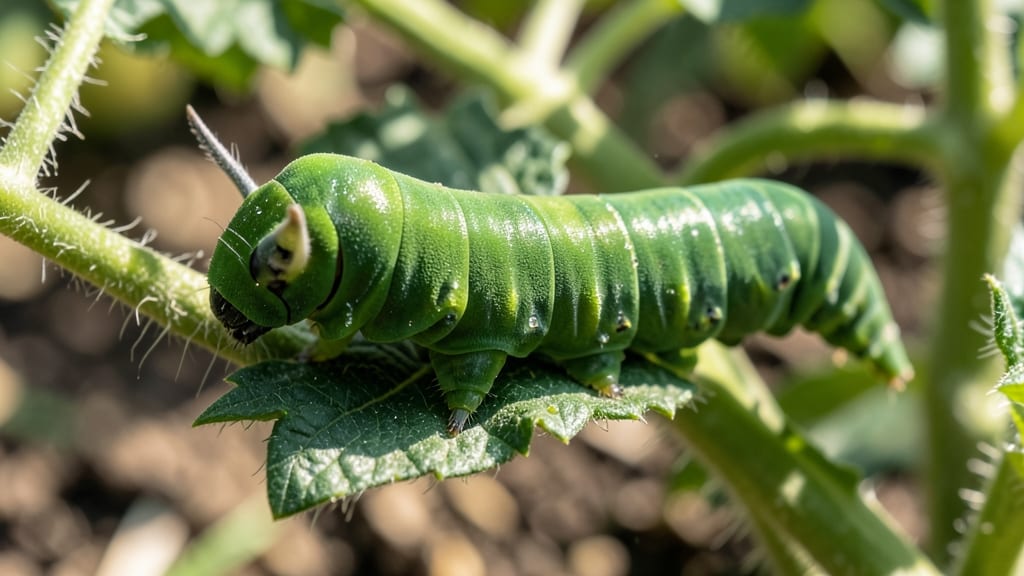
The tomato hornworm caterpillar can turn your thriving tomato plants into skeleton leaves overnight. 🌱 I’ve watched these striped bandits devour entire plants in days, but I’ve also learned how to outsmart them without reaching for harsh chemicals.
The key is early detection—look for black droppings on leaves or the caterpillars themselves, often hiding on the undersides of foliage. Once you spot them, handpicking is the fastest way to stop the damage, but it’s not always enough for heavy infestations.
That’s where natural predators like parasitic wasps and beneficial nematodes come in—they’ll handle the rest for you. You’ll end up with plants that stay strong and productive, not just a few surviving tomatoes. The best part? Your garden becomes a balanced ecosystem where pests don’t stand a chance.
Let’s get those plants back to their full potential.
You don’t need fancy tools—just a sharp eye and a few simple strategies. Grab a pair of gloves, a bucket of soapy water, and maybe some neem oil for extra protection.
The goal is to disrupt their life cycle before they can multiply, and it works every time I’ve tried it.
This method isn’t just about saving your tomatoes—it’s about building a garden that thrives on its own. Once you see the difference, you’ll never go back to chemical sprays. The plants grow healthier, the soil stays rich, and you’ll have a harvest that makes all the effort worth it.
Works for home gardeners, container growers, and even large-scale plots. The principles are the same—just scale up as needed. Let’s make your tomatoes the star of the season again.
📚 In This Guide
- What you need
- Instructions
- Tips and common mistakes
- Wrapping up and next steps
What you need
- ● Garden gloves – 1 pair (nitrile or rubber, for protection from spines)
- ● Pruning shears or scissors – 1 pair (sharp, for clean cuts)
- ● Small plastic bags or containers – 5–10 (for relocating or disposing of caterpillars)
- ○ Neem oil (optional but recommended) – 16 oz bottle (for spraying as a deterrent)
- ● Water spray bottle – 1 (8–16 oz, for diluting neem oil or rinsing plants)
- ○ Beneficial nematodes (optional) – 1–2 lbs (for soil treatment, if caterpillars are in the ground)
- ○ BT (Bacillus thuringiensis) powder (optional) – 1 lb (organic pesticide for severe infestations)
- ● Garden twine or tape – 1 roll (for marking infested plants)
- ○ Magnifying glass (optional) – 1 (to spot eggs or tiny caterpillars)
- ● Sunny, dry day – Best for manual removal (caterpillars are sluggish when cool)
- ● Patience & vigilance – Check plants daily during peak hornworm season (June–August)
How to protect your tomatoes naturally from hornworms
Here's my battle-tested, chemical-free approach to keeping your tomato plants thriving.
🔍 Step 1: Scout for Hornworms Daily
Start by inspecting your tomato plants every 2-3 days, especially after warm, humid weather—hornworms love those conditions. Look under leaves and along stems where they hide. You'll spot them as 3-5 inch green caterpillars with white diagonal stripes and tiny horn-like projections at the rear. They're masters of camouflage, so slow down and check thoroughly.
I always do this in the early morning when dew is present—it makes spotting them easier and helps you avoid crushing beneficial insects. Grab a small container or jar with a lid so you can safely relocate any you find without harming them.
🪰 Step 2: Remove Hornworms by Hand
When you find one, gently grasp it by the thickest part of its body (never the rear horn—it can sting!) and drop it into soapy water. This ensures it won't escape and continue eating your plants. I keep a small bucket of soapy water nearby when I'm inspecting my garden to make quick work of any pests.
Don't worry about the hornworms—they're actually beneficial to the ecosystem when they're not in your garden. Their presence means you have healthy tomato plants that attract other pollinators. Just keep them away from your tomatoes!
✂️ Step 3: Prune Damaged Leaves
After removing the hornworms, check for chewed leaves or stems. Prune any heavily damaged foliage with clean, sharp scissors to encourage new growth. Focus on removing leaves that are more than 50% eaten—these won't recover and are just inviting more pests.
I always prune in the early morning when the plants are turgid (full of water), which makes them less stressed. Avoid pruning late in the day, as it can leave plants vulnerable to evening pests like slugs.
🌿 Step 4: Introduce Natural Predators
Encourage hornworm predators like parasitic wasps and braconid wasps by planting dill, fennel, or parsley nearby. These plants attract the wasps, which lay eggs on hornworms. Within a few days, you'll see tiny white cocoons on the caterpillars—this is a good sign!
Another trick is to leave a few small hornworms on your plants occasionally. This might seem counterintuitive, but it helps establish a predator population that will keep future hornworms in check. Just be sure to remove any large or damaging ones.
🌱 Step 5: Use Row Covers for Prevention
For early-season protection, use lightweight row covers over your tomato plants. These physical barriers block hornworms while still allowing sunlight, water, and air to reach your plants. Secure the edges well to prevent hornworms from crawling underneath.
I remove the covers once flowers appear to allow pollinators access. If you notice any hornworm eggs (small, green, oval-shaped) on the undersides of leaves, remove them immediately—they'll hatch into caterpillars in just a few days.
Tips & tricks for organic tomato pest control
These simple strategies will help you keep your tomato plants thriving without harmful chemicals.
Timing is Everything: The 2-3 day inspection schedule in Step 1 works best when you combine it with weather patterns. After heavy rain or warm nights, hornworms become more active—this is when you should increase your inspections to every 1-2 days. I've found that checking plants right after sunrise gives the best results because dew makes the caterpillars easier to spot against the leaves.
Safety First: When removing hornworms in Step 2, I recommend wearing gloves—not just for hygiene, but because some gardeners report mild skin irritation from handling these caterpillars. The soapy water solution works perfectly, but if you prefer a more natural option, you can use a bucket of plain water with a drop of dish soap. Just be sure to empty and clean the bucket afterward to prevent any accidental release of hornworms.
Pruning Wisdom: In Step 3, when deciding which leaves to remove, focus on the youngest leaves first—they're the most vulnerable to hornworm damage. I've noticed that plants recover better when you remove entire leaf clusters rather than just the damaged portions. This might seem wasteful, but it prevents the spread of pests to healthier parts of the plant.
Predator Strategy: For Step 4, if you're planting dill or parsley specifically to attract wasps, place these plants about 10-15 feet away from your tomatoes. This distance gives the wasps room to patrol while keeping them close enough to find hornworms. I've seen dramatic results when I add a few marigold plants to this mix—they repel other pests while attracting beneficial insects.
Pro Tips for Tomato Hornworm Caterpillar
- These simple strategies will help you keep your tomato plants thriving without harmful chemicals.
- Timing is Everything: The 2-3 day inspection schedule in Step 1 works best when you combine it with weather patterns.
- Safety First: When removing hornworms in Step 2, I recommend wearing gloves—not just for hygiene, but because some gardeners report mild skin irritation from handling these caterpillars.
Frequently asked questions
What do tomato hornworms look like, and how can I spot them in my garden?
Tomato hornworms are massive caterpillars (up to 4 inches long!) with smooth, green bodies and white diagonal stripes. Look for their distinctive horn-like projection at the rear—it’s a dead giveaway. Check the undersides of leaves, stems, and even inside tomato blossoms, where they love to hide.
When are tomato hornworms most active, and how fast do they destroy plants?
These caterpillars peak in late spring to early summer, aligning with tomato flowering and fruiting. A single hornworm can devour a whole leaf overnight—or even strip a tomato plant bare in just a few days! Early detection is key; inspect plants weekly during their active season.
Are tomato hornworms harmful to humans or pets?
Nope! While they’re terrifying to gardeners, tomato hornworms are harmless to humans and pets. They don’t bite, sting, or carry diseases. However, their droppings (frass) can stain plants and soil—so removing them quickly keeps your garden looking (and tasting) better.
What’s the best natural way to get rid of tomato hornworms without chemicals?
Try these eco-friendly tricks:
- Handpick them (drop them in soapy water—they’re edible for birds and chickens!).
- Introduce parasitic wasps (like Cotesia congregata), which lay eggs inside hornworms—nature’s pest control!
- Use neem oil or Bt (Bacillus thuringiensis) as a last resort (targets caterpillars only).
- Plant basil or dill nearby—hornworms hate the scent!
Can I save my tomato plants if hornworms have already damaged them?
Yes! Prune damaged leaves to redirect energy to new growth, and fertilize lightly with compost or balanced fertilizer. If the plant is still producing tomatoes, focus on protecting the remaining fruit with row covers or netting. Hornworms prefer leaves, so your tomatoes may still thrive!
Pro Tip:
Check for wasp cocoons on hornworms—if you see white, rice-like sacs, leave it be! Those are beneficial wasp larvae pupating, and removing them disrupts the natural cycle.
Wrapping up and next steps
Protecting your garden from tomato hornworm caterpillars doesn’t require harsh chemicals—just a little know-how! By using natural predators, manual removal, and organic deterrents, you can keep your tomato plants thriving without harming the environment. 🌱
Now that you’re armed with these eco-friendly strategies, take action today! Start by inspecting your plants regularly, introduce beneficial insects, and try a few homemade sprays. Your garden—and your tomatoes—will thank you! 🍅✨