
Vegetables
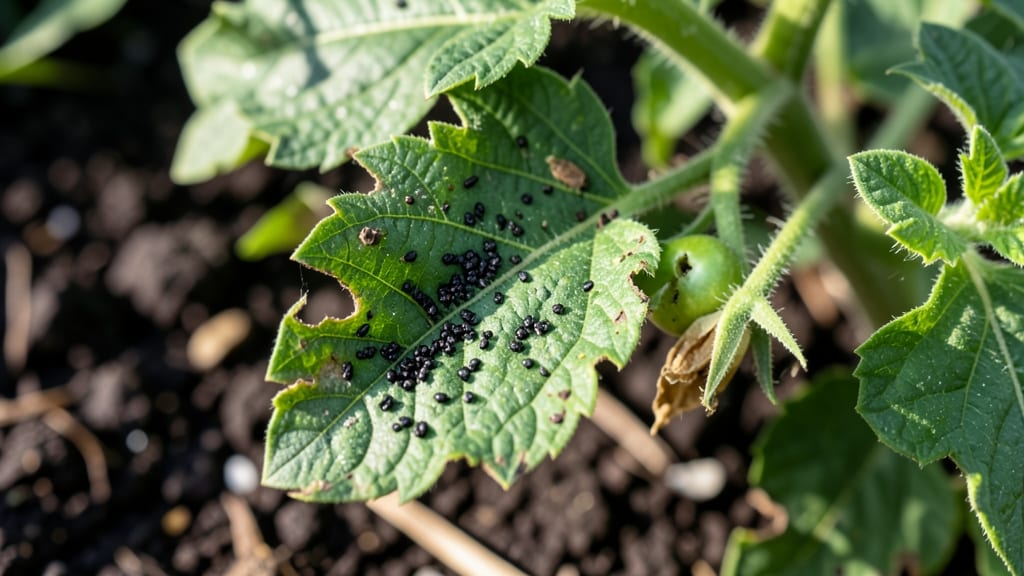
Seeing tomato hornworm damage pictures can be shocking—one day your plants are thriving, and the next, they’re reduced to skeleton leaves overnight. 🌱 I’ve seen firsthand how these striped caterpillars strip gardens bare—until I learned the telltale signs and fast fixes.
The key is acting before they disappear into the soil, leaving behind only chewed stems and missing fruit.
Start by scanning your plants for large green caterpillars (up to 4 inches long) with white diagonal stripes and tiny horn-like protrusions. Look for ragged, holey leaves and half-eaten tomatoes—classic hornworm calling cards. The damage happens fast, so early detection is everything.
Once you spot them, handpicking is the fastest organic solution—drop them in soapy water. For heavier infestations, neem oil or Bt (Bacillus thuringiensis) sprays work well. Prevent future outbreaks by planting basil nearby (hornworms hate it) and removing egg clusters from the undersides of leaves.
This isn’t just about saving your tomatoes—it’s about regaining control of your garden. With these steps, you’ll spot the damage early, stop the spread, and keep your plants lush and productive all season long.
📚 In This Guide
- What you need
- Instructions
- Tips and common mistakes
- Wrapping up and next steps
What you need
- ● Digital camera or smartphone – For capturing tomato hornworm damage pictures (high-resolution recommended).
- ● Handheld magnifying glass – Helps spot early signs of damage (10x magnification ideal).
- ● Gloves (nitrile or garden gloves) – Protects hands from rough plant surfaces and pests.
- ● Pruning shears or sharp scissors – For trimming infested leaves or stems (sterilized blades preferred).
- ● Spray bottle (8–16 oz) – For applying organic sprays or soapy water solutions.
- ● Neem oil or insecticidal soap – 1–2 tbsp per gallon of water (organic pest control).
- ● Bacillus thuringiensis (Bt) powder or spray – 1 tsp per gallon of water (targets caterpillars specifically).
- ○ Yellow sticky traps (optional) – Helps monitor adult moth populations (5–10 traps per acre).
- ● Row covers (floating fabric) – Lightweight, breathable mesh (prevents moths from laying eggs).
- ● Notebook & pen – For tracking damage progression and treatment effectiveness.
- ● UV flashlight – Reveals hornworm frass (droppings) and damage at night.
- ● Pest identification guidebook or app – For double-checking hornworm vs. other pests.
- ● Beneficial nematodes (Heterorhabditis bacteriophora) – 1–2 million per 1,000 sq ft (targets larvae in soil).
- ● Diatomaceous earth (food-grade) – Sprinkle lightly on soil to deter egg-laying moths.
- ● Plant collars (cardboard or plastic) – Wrap around stems to block egg-laying moths.
How to identify and address tomato hornworm damage in your garden
Spotting these voracious caterpillars early saves your tomato plants—and your sanity.
🌿 Step 1: Recognize the Telltale Signs of Hornworm Feeding
Start by examining your tomato plants closely, especially the upper leaves and stems. Look for large, glossy green caterpillars with white diagonal stripes and v-shaped markings along their sides—these are classic hornworm identifiers. Their size alone is a giveaway: they can grow up to 4 inches long, making them one of the largest garden pests.
Check for skeletonized leaves—where only the leaf veins remain after the caterpillar has devoured the soft tissue. You might also spot black droppings (frass) on the foliage or soil beneath the plant. These signs confirm hornworms are active, and your plants are under attack. Act quickly, because one caterpillar can defoliate a plant in 24-48 hours.
🔍 Step 2: Confirm the Presence of Hornworms (Not Just Damage)
Don’t assume damage is from hornworms—other pests like cutworms or beetles can cause similar destruction. Carefully inspect the undersides of leaves, stems, and fruit clusters for the caterpillars themselves. Hornworms are master camouflagers, blending into the foliage, so use a flashlight to spot them in shaded areas.
Watch for small, white egg clusters on the undersides of leaves—each containing 50-100 eggs. If you find these, expect an infestation within 7-10 days. Remove any eggs you spot immediately, as they’ll hatch into hungry caterpillars overnight. This is your first line of defense before the damage escalates.
✂️ Step 3: Remove Hornworms Manually (The Most Effective Method)
Grab a pair of tweezers or gloves and pluck the caterpillars off your plants by hand. Drop them into a bucket of soapy water to kill them instantly—this prevents them from crawling back onto your tomatoes. Focus on young caterpillars first, as they’re easier to control before they grow into insatiable monsters.
Check your plants daily for 2-3 weeks, especially after rain or humidity spikes, when hornworms are most active. Even one missed caterpillar can lead to a full-blown infestation. This method is 100% effective if done consistently, and it avoids chemical residues on your fruit.
🦋 Step 4: Introduce Natural Predators to Keep Populations in Check
Encourage parasitic wasps (like Cotesia congregata) and braconid wasps, which lay eggs inside hornworms, killing them from within. These beneficial insects are silent guardians of your garden. Plant dill, fennel, or parsley nearby to attract them—these herbs are magnets for wasp predators.
Birds like chickadees and wrens also feast on hornworms. Install a bird feeder or bath near your tomato patch to invite more feathered helpers. Even a few wasps or birds can drastically reduce hornworm numbers over time, creating a balanced ecosystem without chemicals.
🌱 Step 5: Prevent Future Infestations with Cultural Controls
Start by removing plant debris from your garden beds in fall and spring—hornworms overwinter as pupae in the soil. Use row covers over young tomato plants to block adult moths from laying eggs. These lightweight fabrics allow sunlight and water through while keeping pests out.
Rotate your tomato varieties each season to disrupt the hornworm’s life cycle. Some varieties, like ‘Cherokee Purple’ or ‘Brandywine’, are less appealing to hornworms than others. Interplanting tomatoes with basil or marigolds can also deter moths, as the strong scents mask the tomato plants’ aroma.
Tips & tricks for identifying and eradicating tomato hornworm damage
Here's what nobody tells you about stopping these pests before they ruin your harvest.
Timing is Everything: The 24-48 hour window after you first spot skeletonized leaves is critical. Hornworms grow rapidly, and a single caterpillar can defoliate a plant completely within this period. I've seen gardeners lose entire tomato crops because they waited just one extra day to act. Check your plants daily during peak hornworm season (late spring to early summer) when temperatures are warmest.
Lighting Makes All the Difference: Use a flashlight during late afternoon to inspect plants for hornworms. These caterpillars blend perfectly with foliage during daylight, but their white stripes become much more visible in low light. I've caught multiple hornworms that were completely invisible during daytime inspections but stood out clearly after sunset. This simple trick has saved countless plants in my garden.
Egg Removal Strategy: Those tiny white egg clusters (50-100 eggs each) are your first warning sign. I recommend using a magnifying glass to locate them on leaf undersides—they're often hidden in plain sight. Remove any clusters you find immediately, as they'll hatch into voracious caterpillars within 7-10 days. This proactive step can prevent a full-blown infestation before it starts.
Natural Predator Attraction: Planting dill, fennel, or parsley near your tomato patch isn't just for flavor—it's a hornworm deterrent. These herbs attract parasitic wasps that naturally control hornworm populations. I've seen gardens where wasp activity reduced hornworm numbers by 80% within just two weeks of planting these companion herbs. The best part? You don't need to use any chemicals to see results.
Pro Tips for Tomato Hornworm Damage Pictures
- Here's what nobody tells you about stopping these pests before they ruin your harvest.
- Timing is Everything: The 24-48 hour window after you first spot skeletonized leaves is critical.
- Lighting Makes All the Difference: Use a flashlight during late afternoon to inspect plants for hornworms.
Frequently asked questions
about tomato hornworm damage—because even seasoned gardeners have moments of panic when they spot these striped munchers!What does tomato hornworm damage look like?
Tomato hornworm damage is distinctive: large, irregular holes in leaves, stripped stems, and—if left unchecked—chewed fruit. Look for black droppings (frass) near the damage and the caterpillars themselves (green with white stripes and a "horn" at the tail). See our damage gallery for visual confirmation!
When is tomato hornworm damage most severe?
Peak damage occurs during late spring to early summer, when hornworms are in their larval stage (June–August in most regions). They thrive in warm weather, so midday inspections are critical. Young plants are especially vulnerable—act fast to prevent defoliation!
Are there natural alternatives to pesticides for tomato hornworm control?
Try these eco-friendly fixes:
- Handpick caterpillars (drop them in soapy water).
- Introduce parasitic wasps (like Cotesia congregata), which lay eggs inside hornworms.
- Spray with neem oil or Bt (Bacillus thuringiensis)—safe for humans and beneficial insects.
- Plant basil or dill nearby to repel them.
Pro tip: Check undersides of leaves at dawn—they’re most active then!
Why do I see hornworms but no damage yet?
Hornworms start small! Early-stage caterpillars (1–2 inches) may nibble edges or hide under leaves. Wait until they’re 2+ inches long before treating—they grow fast (up to 4 inches in a week!). Monitor plants daily, especially after spotting eggs (tiny, pale green, laid on stems).
Can tomato hornworms harm fruit, or do they only eat leaves?
They do both! While young hornworms focus on leaves, mature ones will devour fruit, leaving behind a messy, chewed mess. If you find black, slimy trails on tomatoes, it’s a red flag—act immediately to save your harvest. Compare damage photos to confirm.
What should I do if I find a hornworm on my tomato plant?
Don’t panic—act fast! Here’s your 3-step plan:
- Remove the hornworm by hand (wear gloves!) and drop it in soapy water.
- Inspect nearby leaves/stems for eggs or smaller caterpillars.
- Boost defenses: Apply Bt spray or introduce beneficial nematodes to the soil.
Warning: If your plant is already defoliated, it may not recover—focus on protecting other plants!
Wrapping up and next steps
Spotting tomato hornworm damage early can save your garden—and your sanity! 🌱 These hungry caterpillars move fast, but with the right tools and knowledge, you can keep them in check. Don’t wait until your plants look like Swiss cheese—act now!
Ready to take action? Start by inspecting your plants daily (especially leaves and stems) and set up traps or natural predators like Trichogramma wasps. You’ve got this! 💪
Next step: Bookmark this guide and check back for more tips on organic pest control—your tomatoes (and peace of mind) will thank you!