
Planting
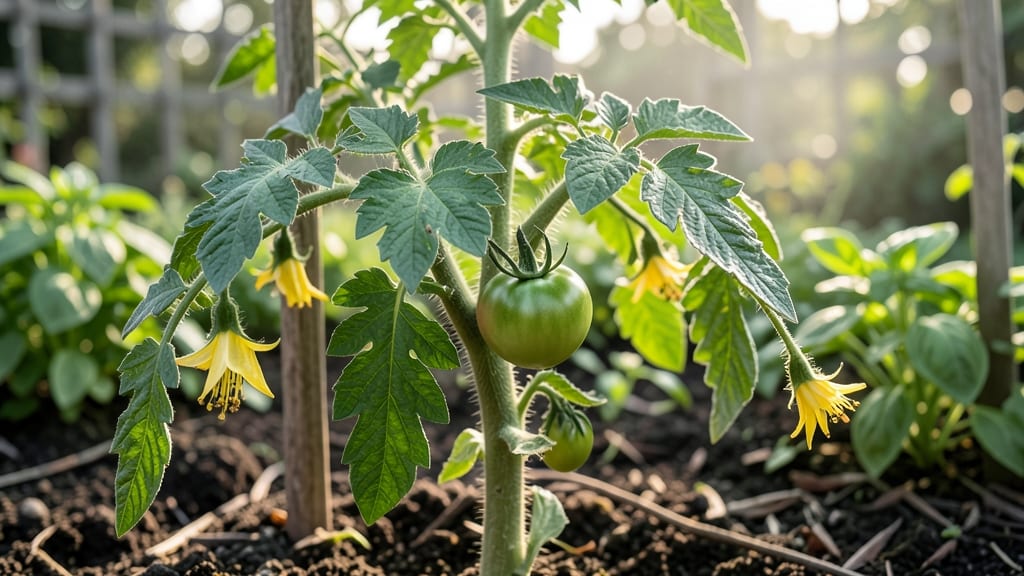
Your tomato plants' fuzzy hairs aren’t just a quirky feature—they’re a warning sign. 🌱 Those sticky traps and pests mean your plants are under attack, and the fix starts with understanding why this happens before it ruins your harvest.
The hairs themselves aren’t the problem; they’re a defense mechanism gone overboard. Too much stress from overwatering, poor air circulation, or pests like spider mites triggers excessive hair growth, making plants look like they’re covered in tiny, sticky webs. This isn’t normal—it’s your plants crying for help.
Here’s the good news: you can turn this around fast. Prune affected areas, boost airflow with strategic spacing, and spray with neem oil to break the pest cycle. Within a week, you’ll see those hairs retreat and your plants bounce back—stronger and ready for a bumper crop.
This works for heirlooms, cherry tomatoes, or beefsteaks. No harsh chemicals needed—just a few targeted steps to restore balance. Let’s get those plants back on track!
Why it happens
Those fuzzy, sticky hairs on your tomato plants—scientifically called trichomes—aren’t just a quirky quirk of nature. They’re your plant’s built-in defense system, and when they go haywire or overproduce, it’s usually a sign of stress or an environmental red flag.
Let’s break down the real reasons behind their sticky behavior and how to address them.
Tomato plants are tropical at heart, and when temperatures swing too high or too low—or when they’re suddenly exposed to scorching sun—they ramp up trichome production as a survival tactic.
These hairs act like tiny sunscreens, reflecting sunlight and preventing leaf burn. But when they become overly sticky, it’s often because:
- Heat stress: Temperatures above 90°F (32°C) can trigger excessive resin production in trichomes, making them tacky and prone to trapping pests.
- Cold snaps: A sudden drop below 50°F (10°C) can shock the plant, causing trichomes to secrete more sticky substances as a protective measure.
- Poor airflow: Stagnant, hot air (like in a greenhouse or dense foliage) amplifies the effect, making hairs even stickier.
Actionable fix: Provide shade cloth during peak heat (30-50% shade works well) and ensure consistent moisture to help regulate temperature. Use fans or spacing plants 18-24 inches apart to improve airflow.
Trichomes aren’t just sticky—they’re also packed with glandular trichomes, which produce compounds like α-tomatine to deter insects. When pests like aphids, spider mites, or whiteflies attack, the plant ramps up production of these sticky defenses. Even chemical irritants (like harsh pesticides or herbicide drift) can trigger an overreaction:
- Direct pest damage: Chewing insects (e.g., hornworms) or sucking pests (e.g., aphids) force trichomes to secrete more resin to trap invaders.
- Indirect stress: Fungal spores or bacterial infections (like early blight) can also signal the plant to boost trichome activity as a last-ditch effort.
- Over-fertilization: Too much nitrogen (especially synthetic fertilizers) can make plants soft and more attractive to pests, indirectly causing trichome overproduction.
Actionable fix: Introduce beneficial insects (like ladybugs or lacewings) to control pests naturally. For chemical issues, switch to neem oil or insecticidal soap, which are less harsh than synthetic sprays. Prune heavily infested leaves and dispose of them far from the garden.
Water is the lifeblood of trichome function. When tomato plants experience drought or waterlogging, their sticky hairs go into overdrive to conserve moisture or protect against rot. Here’s how it plays out:
- Underwatering: Drought-stressed plants produce thicker, stickier trichomes to reduce water loss through transpiration. The hairs also become more viscous to trap moisture.
- Overwatering: Soggy soil disrupts root function, causing the plant to signal trichomes to secrete more resin as a stress response, similar to how they react to fungal threats.
- Inconsistent watering: Plants hate unpredictability—alternating between dry spells and sudden soakings confuses their defense systems, leading to erratic trichome behavior.
Actionable fix: Water deeply 1-2 times per week (depending on climate), aiming for 1-1.5 inches of water per week. Use drip irrigation or soaker hoses to keep moisture consistent. Mulch with straw or shredded leaves to retain soil moisture and reduce stress.
Trichomes are sensitive to what’s happening beneath the soil. When nutrients are out of whack or soil health declines, the plant’s entire defense system—including those sticky hairs—gets thrown off balance. Common culprits include:
- Low potassium: Potassium helps regulate plant stress responses. A deficiency makes trichomes overproduce resin as a compensatory mechanism.
- High salinity: Salty soil (from tap water, fertilizers, or poor drainage) stresses roots, triggering trichomes to secrete sticky substances to “seal” the plant’s surface.
- Compacted or poor-draining soil: Roots struggle to access oxygen and water, forcing the plant to rely more on trichomes for protection.
Actionable fix: Test your soil and amend it with compost or a balanced organic fertilizer (like 5-5-5). For potassium specifically, add wood ash or greensand. Ensure pots or garden beds have good drainage—raise beds or add perlite if needed.
Understanding the root cause of your tomato plant’s sticky hairs is the first step to fixing the problem. Whether it’s heat, pests, water woes, or soil issues, addressing the underlying stress will help your plants bounce back—and keep those trichomes working as nature intended!
Quick Fixes for Fuzzy Tomato Foes
Those tiny, sticky hairs on your tomato plants might seem harmless, but they’re actually a double-edged sword—attracting pests while trapping beneficial insects. Here’s how to tackle the problem without sacrificing your plant’s health or harvest.
If your tomato plants are covered in sticky residue and pests like aphids or whiteflies, it’s time to act fast. These hairs act like natural flypaper, but when overrun, they can weaken your plants.
🍳 Rinse with Soapy Water (Gentle Cleanse)
Mix 1 tablespoon of mild dish soap (like Castile soap) with 1 quart of water in a spray bottle. Lightly mist the leaves and stems, focusing on the hairy areas. This removes trapped pests and excess stickiness without harming the plant.
- ⏰ Best time: Early morning or late evening (avoid direct sun to prevent leaf burn).
- 💡 Pro tip: Use a soft cloth or sponge for stubborn residue—scrub gently to avoid damaging delicate hairs.
👨🍳 Prune Problematic Growth
If certain branches are overly hairy or pest-ridden, trim them back. This improves airflow, reducing humidity (which pests love) and encouraging healthier growth.
- 🔪 How to: Use clean, sharp pruners and cut just above a leaf node or bud.
- 🌡️ Prevention: Prune regularly during the growing season to keep plants manageable.
Once you’ve cleaned up, keep your tomato plants happy and pest-resistant with these long-term strategies.
🌿 Boost Plant Resilience with Neem Oil
Neem oil is a natural repellent that deters pests and strengthens plant defenses. Mix 1 teaspoon of neem oil with 1 quart of water and a dash of mild soap (as an emulsifier). Spray every 7–10 days during growing season.
- ✨ Bonus: Neem oil also helps prevent fungal diseases like early blight.
- 🎯 Target: Focus on undersides of leaves where pests hide.
🐝 Encourage Beneficial Insects
Ladybugs, lacewings, and parasitic wasps love munching on tomato pests. Plant companion flowers like marigolds, alyssum, or dill nearby to attract them naturally.
- 💡 Pro tip: Avoid pesticides—even organic ones—while trying to establish a beneficial insect population.
- 🌱 Companion planting: Basil near tomatoes also repels pests and improves flavor!
🌡️ Maintain Proper Watering Habits
Overwatering or inconsistent moisture creates the perfect breeding ground for pests. Water deeply but infrequently—aim for 1–1.5 inches per week—and always water at the base of the plant to avoid wetting leaves.
- 🔥 Warning: Wet foliage = more sticky hairs = more pest traps.
- 💧 Morning watering: Lets leaves dry quickly, reducing humidity.
Stay ahead of the game with this simple checklist:
| Season | Task | Frequency |
|---|---|---|
| Spring | Prune early growth, apply neem oil | Every 2–3 weeks |
| Summer | Rinse with soapy water, check for pests | Weekly (after heavy rain) |
| Fall | Deep prune, remove debris, compost | Once before first frost |
With these fixes, your tomato plants will stay strong, sticky hairs won’t become a pest magnet, and you’ll be rewarded with juicier, healthier tomatoes all season long!
Frequently asked questions about tomato plant hairs
Are those fuzzy hairs on my tomato plant normal?
Yes, but only in moderation! Tomato plants naturally have tiny hairs called trichomes that protect against pests and sun damage. When you see excessive, sticky hairs, it’s often a sign of stress from heat, pests, or poor growing conditions. Think of them like a plant’s alarm system—too much activity means something’s wrong.
Why are the hairs on my tomato plant sticky?
Sticky hairs usually mean your plant is under attack! When pests like spider mites or aphids feed on leaves, the trichomes produce extra resin to trap them. This sticky substance can also occur from heat stress (above 90°F) or fungal pressure. Check for tiny webs or pests hiding in the hairs—if you see them, it’s time to act.
Can I just remove the hairy leaves?
Yes, but be strategic! Prune only the most affected leaves to improve airflow and reduce pest hiding spots. Avoid removing too many leaves at once—this can stress the plant further. Focus on lower leaves first, as they’re more prone to fungal issues. Always use clean pruners to prevent spreading diseases.
Will neem oil harm my tomato plants if I use it too often?
Neem oil is safe when used correctly, but don’t overdo it! Apply every 7-10 days during the growing season. Too much can disrupt beneficial insects if used excessively. Always mix with water and a tiny bit of soap to help it stick. Stop applying 2 weeks before harvest to avoid any residue on your tomatoes.
Can I save my tomato plant if it's already covered in sticky hairs?
Start with a thorough cleanup—rinse leaves with soapy water and prune affected areas. Then focus on fixing the root cause: improve airflow, adjust watering, and apply neem oil. With consistent care, most plants recover within 2-3 weeks. The key is catching it early—don’t wait until the hairs become a full-blown pest trap!