
Planting
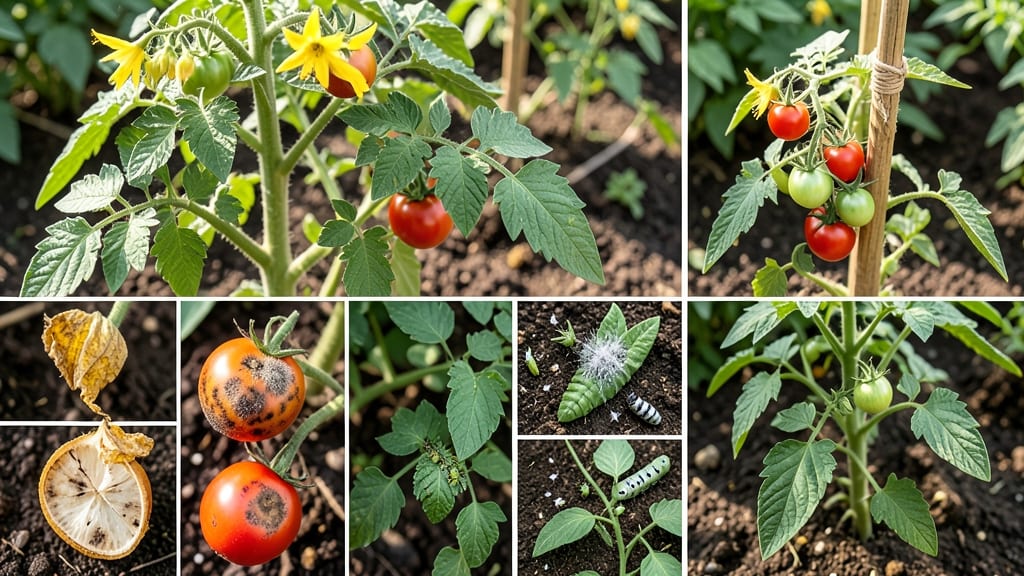
Your tomato plants are screaming for help—but you can fix these tomato plant problems with pictures fast with a visual guide. 🌱 I’ve seen every problem from yellowing leaves to cracked fruit, and the solutions are simpler than you think.
This isn’t just a list of symptoms; it’s a roadmap to saving your harvest before it’s too late.
The most common issues—like early blight, aphids, or blossom end rot—have tell-tale signs you’ll recognize in seconds. A wilted leaf here, a spotted stem there, or fruit that’s soft and rotten? We’ll tackle each one with step-by-step fixes and preventive tricks that work. No mystery, no guesswork—just results.
By the end, you’ll spot problems before they spread and know exactly how to stop them. Think vibrant green plants, heavy fruit, and a garden that keeps producing all season. The best part? These fixes work for container tomatoes, raised beds, or in-ground plots—no matter your setup.
Ready to turn those struggling plants around? Let’s get to the visual guide and save your harvest before it’s gone. Every problem has a solution—you just need to know where to look.
Root Causes of Tomato Troubles
Understanding why tomato plants develop issues is half the battle in fixing them. These problems rarely appear out of nowhere—they’re usually a response to environmental stress, pests, or cultural mistakes.
Below, we break down the scientific reasons behind common tomato plant struggles, so you can diagnose and treat them like a pro.
💧 The silent killer of tomato roots Tomatoes thrive in well-draining soil with consistent moisture, but too much water (or soggy soil) suffocates roots by cutting off oxygen.
This leads to: - Root rot (fungal infections like Phytophthora or Pythium) - Blossom end rot (calcium uptake fails when roots can’t function) - Yellowing leaves (chlorosis from oxygen deprivation)
Why it happens:
- Compacted or clay-heavy soil holds excess water, creating anaerobic zones where roots suffocate.
- Overhead watering (especially at night) keeps foliage damp, inviting fungal spores.
- Lack of organic matter prevents soil from absorbing and releasing water efficiently.
🔍 Pro tip: Stick your finger 2 inches into the soil—if it’s wet, wait to water. Amend heavy soil with compost or perlite to improve drainage.
🌞 When the soil turns to dust Tomatoes need 1–2 inches of water per week (more in heatwaves). Skipping watering triggers:
- Wilting (even in moist soil, if roots can’t access water)
- Blossom drop (stressed plants abort flowers)
- Cracked fruit (uneven water uptake as tomatoes swell)
Why it happens:
- Shallow root systems in young plants can’t reach deep moisture.
- Evaporative loss in hot, dry, or windy conditions outpaces water absorption.
- Inconsistent watering (e.g., deep soaks followed by drought) shocks the plant.
💡 Fix it: Water deeply at the base (not leaves) in the early morning to reduce evaporation. Use mulch (straw or grass clippings) to retain moisture.
📊 When the soil’s recipe is off Tomatoes are heavy feeders, and deficiencies or excesses throw them off balance.
Common culprits: - Nitrogen deficiency → Pale yellow leaves (starts with older leaves). - Phosphorus deficiency → Purple stems/leaves (struggles to flower). - Potassium deficiency → Weak stems, brown leaf edges (prone to disease). - Calcium deficiency → Blossom end rot (even with moist soil).
Why it happens:
- Poor soil testing (most garden soils lack key nutrients).
- Over-fertilizing with nitrogen (lush leaves but no fruit).
- pH imbalances (tomatoes prefer 6.0–6.8; acidic or alkaline soil locks out nutrients).
- Uneven feeding (e.g., only top-dressing nitrogen without potassium).
✨ Solution: Do a soil test (DIY kits work) and amend with:
- Balanced fertilizer (e.g., 5-10-10) at planting.
- Crushed eggshells (for calcium) or wood ash (for potassium).
- Compost tea for microbial health.
🐛 Unseen invaders stealing your harvest Pests and pathogens exploit weakened plants (often due to the issues above).
Common triggers: - Aphids, whiteflies, or spider mites → Stunted growth, curled leaves (they suck sap and spread viruses). - Fungal diseases (early blight, late blight) → Dark spots on leaves/fruit (thrive in humid, wet conditions). - Bacterial spots → Tiny water-soaked lesions (spread by splashing water or contaminated tools).
Why it happens:
- Monocropping (planting tomatoes in the same spot yearly builds up pathogens).
- Ignoring early signs (e.g., yellowing leaves = possible aphids or nutrient issue).
- Poor airflow (crowded plants or mulch touching leaves traps moisture).
🔥 Prevent it:
- Rotate crops (avoid planting tomatoes in the same spot for 3 years).
- Prune for airflow (remove suckers, space plants 18–24 inches apart).
- Use row covers (early season) to block pests like flea beetles.
☀️❄️ When the weather turns against you Tomatoes are warm-season crops (60–90°F ideal). Extreme heat or cold disrupts:
- Pollination (high heat >95°F causes blossom drop).
- Photosynthesis (too little light = leggy, weak plants).
- Cold damage (<50°F at night stunts growth; frost kills plants).
Why it happens:
- Late frosts (spring planting too early).
- Shade from trees/buildings (plants stretch toward light, weakening stems).
- Heatwaves (flowers drop before pollinating; fruit sunscald).
🌡️ Adjust with:
- Shade cloth (30–50% coverage in peak summer).
- Evening watering (cools leaves and soil).
- Black plastic mulch (warms soil in spring, retains heat).
Quick fixes for tomato troubles
Revive your tomato plants fast with these targeted solutions—each tailored to common issues and packed with prevention tips to keep your garden thriving. Whether your leaves are curling, your fruit is cracking, or pests are wreaking havoc, we’ve got you covered with easy, actionable steps.
Fix it fast: If the older leaves turn yellow first, your plant is likely nutrient-deficient (especially nitrogen or magnesium). If the younger leaves yellow, you’re probably overwatering or dealing with root rot.
- 🔥 Check the soil moisture – Stick your finger 1–2 inches deep. If it’s soggy, hold off on watering until the top inch feels dry.
- 🍳 Feed with fertilizer – Use a balanced tomato fertilizer (like 10-10-10) or a magnesium-rich Epsom salt solution (1 tablespoon per gallon of water) if older leaves yellow. Apply every 2–3 weeks.
- 👨🍳 Prune damaged leaves – Snip off yellowing leaves to redirect energy to healthy growth.
Prevent it:
- Water deeply but less often (1–2 inches per week).
- Mulch around plants to retain moisture and regulate temperature.
- Test soil pH (aim for 6.0–6.8) to ensure nutrients are available.
Fix them fast: Tomato plants attract aphids, hornworms, and spider mites—but these solutions work fast.
- 🔪 Handpick large pests – Check leaves daily for hornworms (green caterpillars with white stripes). Drop them in soapy water.
- 🍳 Spray with neem oil – Mix 1 teaspoon neem oil + 1 teaspoon mild soap + 1 quart water.
Spray early morning or evening to avoid harming bees. 3. 🕷️ Introduce beneficial insects – Ladybugs and lacewings devour aphids and mites. Buy them online or attract them with dill or marigolds nearby.
Prevent it:
- Rotate crops yearly to break pest cycles.
- Use row covers early in the season to block pests before they arrive.
- Plant companion plants like basil, garlic, or onions to repel insects naturally.
Fix it fast: This black, leathery spot on the fruit’s bottom is caused by calcium deficiency (often from uneven watering).
- 💡 Apply calcium immediately – Sprinkle crushed eggshells or crushed oyster shell around the base of the plant. Water it in.
- 🍳 Use a calcium supplement – Mix 1 tablespoon of calcium chloride or gypsum per gallon of water and water the soil (not leaves).
- 🌡️ Keep soil moist but not soggy – Use drip irrigation or water at the base (not overhead) to prevent stress.
Prevent it:
- Mulch heavily to maintain even moisture.
- Avoid fluctuating water levels—stick to a consistent schedule.
- Choose calcium-rich soil amendments when planting.
Fix it fast: Early blight (brown spots), late blight (wet, greasy spots), or powdery mildew (white dust) can devastate plants in weeks.
- 🔪 Prune infected leaves – Remove any leaves with spots and dispose of them in the trash (not compost).
- 🍳 Spray with copper fungicide – Follow label instructions for copper-based sprays (e.g., Bordeaux mixture or copper soap).
- 🌬️ Improve airflow – Space plants 18–24 inches apart and prune lower leaves to reduce humidity near the soil.
Prevent it:
- Water in the morning so foliage dries by evening.
- Avoid overhead watering—use drip irrigation instead.
- Rotate crops—don’t plant tomatoes in the same spot yearly.
Fix it fast: If your tomato plant looks weak, leggy, or wilts daily, it’s often due to poor soil, root issues, or transplant shock.
- 🔥 Check roots for rot – Gently dig around the base. Healthy roots are firm and white; mushy roots mean root rot (stop watering immediately).
- 🍳 Fertilize with compost or worm castings – Add 1–2 inches of compost around the base and water well.
- 🌱 Support with a cage or stakes – If the plant is top-heavy, secure it to prevent wind damage or stem breakage.
Prevent it:
- Start with well-draining soil (mix in perlite or sand if needed).
- Hardening off seedlings before transplanting reduces shock.
- Use slow-release fertilizer at planting time for steady growth.
💡 Pro Tip: Always rotate where you plant tomatoes every 3 years to prevent soil-borne diseases from building up. And keep a garden journal to track what works (and what doesn’t!) in your specific climate.
Frequently asked questions
Why do my tomato leaves turn yellow, but the veins stay green?
This classic symptom usually means iron deficiency (chlorosis). The veins stay green because they transport iron, but leaf tissue can't absorb enough. Test your soil pH—tomatoes need 6.0–6.8. If too alkaline, add chelated iron or composted leaves. Yellowing between veins also happens with overwatering, so check soil moisture first.
What’s the difference between early blight and late blight on tomato plants?
Early blight shows as brown, concentric rings on lower leaves (starts at stem), while late blight creates greasy, dark spots that spread rapidly in humid weather. Late blight is far more dangerous—it can destroy plants in days. Both need copper fungicide, but late blight requires immediate removal of infected plants to prevent spread.
Can I still eat tomatoes with blossom end rot?
Yes, but cut off the black, leathery bottom—the rest is safe to eat. The rot comes from calcium deficiency (often from uneven watering). Fix it by adding crushed eggshells or using a calcium chloride solution (1 tbsp per gallon of water). For prevention, mulch heavily and water consistently at the base.
How do I know if my tomato plant has aphids vs. spider mites?
Aphids are tiny green/black clusters on new growth, while spider mites leave fine webbing on leaf undersides. Check leaves closely—aphids are easier to spot. Both pests thrive in dry conditions. Treat aphids with soapy water or neem oil, and spider mites need increased humidity (mist plants daily) plus neem oil applications every 5–7 days.
Why are my tomato fruits cracking, even though I water regularly?
Cracking happens when plants get too much water after drought or uneven moisture. The fruit swells too fast, splitting the skin. Fix it by watering deeply but consistently (1–2 inches per week) and using drip irrigation instead of overhead watering. Mulch with straw to maintain even soil moisture—this prevents sudden swelling.