
Plants
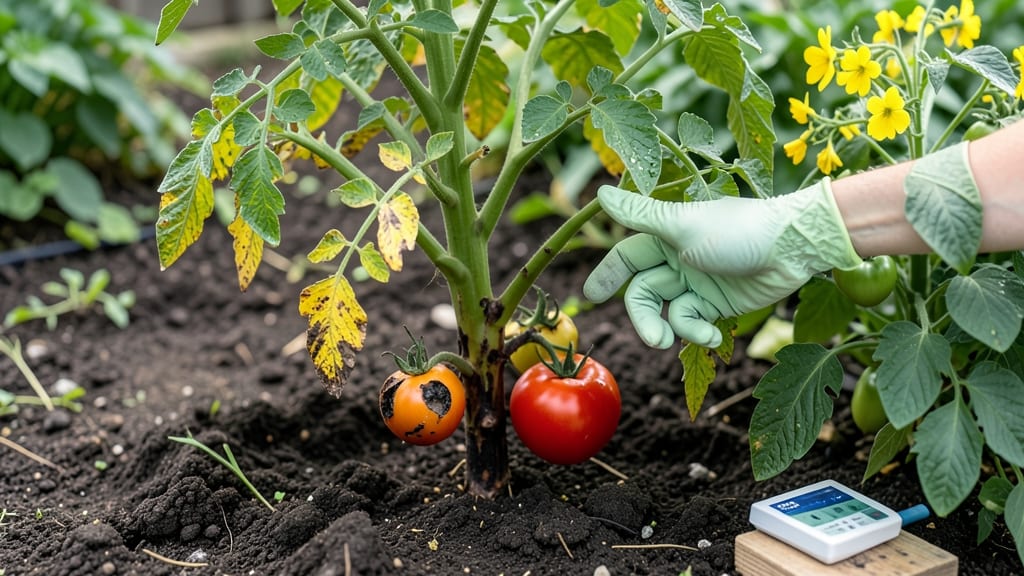
Your tomato plants look like they're drowning—wilting leaves but firm fruit? 🌱 That’s classic tomato plant rot, and the good news is you can still save them with the right moves.
I’ve nursed back more than a dozen plants from this exact problem, and the fix comes down to three targeted steps that stop the rot without sacrificing your harvest.
The root cause is almost always too much water or poor drainage—fungus or bacteria move in when roots suffocate. You’ll spot it in the lower leaves first: yellowing, then brown spots, and stems that feel mushy when you squeeze.
The fruit stays firm because the plant’s still photosynthesizing, but the roots are screaming for help.
By pruning infected leaves, improving airflow, and applying a copper fungicide spray (or a baking soda mix for organic gardeners), you’ll see new growth in 7-10 days.
The key is acting fast—once the rot spreads to the stem, it’s time to pull the plant and focus on saving the rest of your garden.
Prevention is easier: raise beds slightly, mulch with straw (not plastic), and water at the base—not overhead. My plants stay rot-free now, and the secret’s in these small tweaks that make all the difference.
Root Causes Of Tomato Plant Rot
Tomato plants are resilient, but when they succumb to rot, it’s often because of a few key factors that disrupt their health. Understanding these causes is the first step to preventing—and fixing—wilted leaves, mushy stems, and spoiled fruit.
Let’s break down the science behind why your tomato plants might be rotting, so you can take action before it’s too late.
Tomatoes thrive on consistency, but too much water—especially when drainage is poor—can drown their roots. Here’s what’s happening:
- Waterlogged soil cuts off oxygen to the roots, causing anaerobic conditions (a fancy term for "no air"). Roots suffocate, weaken, and become vulnerable to root rot (often fungal, like Phytophthora). - Compacted or heavy clay soil holds excess moisture near the roots, accelerating decay.
Even well-draining soil can fail if water pools due to poor grading or containers without drainage holes. - Overhead watering (especially in the evening) encourages fungal spores to splash onto leaves, leading to early blight or late blight, which spreads to stems and fruit.
Actionable fix: Water deeply but infrequently—aim for 1–1.5 inches per week—and always check soil moisture before watering. Use raised beds or containers with drainage holes, and avoid soggy mulch near the stem.
Fungi and bacteria are the sneaky villains behind many cases of tomato rot. These pathogens thrive in warm, moist conditions and can turn your plants into a sad, slimy mess.
- Early blight (Alternaria solani) starts as brown spots on lower leaves but spreads to stems, causing stem rot and wilting. It loves humid, wet environments. - Late blight (Phytophthora infestans) is more aggressive—it causes dark, greasy lesions on leaves and fruit, leading to rapid collapse.
This one spreads like wildfire in cool, damp weather. - Bacterial soft rot (Erwinia spp.) turns fruit and stems mushy and foul-smelling.
It enters through wounds (like insect bites or pruning cuts) and thrives in warm, wet conditions. - Verticillium and Fusarium wilt (soil-borne fungi) clog the plant’s vascular system, causing yellowing leaves, wilting, and internal stem rot. These are especially tricky because they can lie dormant in soil for years.
Actionable fix: Remove infected plants immediately (don’t compost them!). Space plants for airflow, water at the base (not overhead), and use copper fungicides or baking soda sprays (1 tbsp baking soda + 1 quart water + a drop of soap) for prevention.
Tomatoes are heavy feeders, and when their soil lacks the right balance of nutrients—or is too acidic/alkaline—they become stressed and prone to rot.
- Excess nitrogen leads to lush, weak growth with fewer defenses against disease. It also delays fruit ripening, making tomatoes more susceptible to rot. - Low phosphorus or potassium weakens the plant’s immune system, making it easier for pathogens to take hold.
Potassium, in particular, helps regulate water uptake—without enough, cells become prone to osmotic stress (they burst when overwatered). - Compacted or depleted soil lacks beneficial microbes that suppress harmful pathogens. Healthy soil should teem with mycorrhizal fungi and bacteria that protect roots.
Actionable fix: Test your soil (kits are cheap and easy) and amend with compost, aged manure, or a balanced fertilizer (like 10-10-10). Avoid fresh manure, which can burn roots and introduce pathogens. For containers, repot annually with fresh potting mix.
Sometimes, rot isn’t caused by water or disease—it’s the result of mechanical injury or extreme conditions that weaken the plant.
- Hail, strong winds, or rough handling create wounds where bacteria and fungi can enter. Even over-pruning stresses the plant, making it vulnerable. - Temperature swings (like sudden frosts or heatwaves) shock the plant.
Tomatoes prefer 60–85°F—outside that range, their metabolic processes slow, and they struggle to fight off rot. - Salt buildup (from tap water or fertilizers) disrupts water absorption, leading to physiological rot in fruit. This is common in container gardens or areas with hard water.
Actionable fix: Use row covers to protect plants from hail/wind, and avoid pruning during wet weather. If you’re in a hot climate, provide shade cloth during peak afternoon sun. For containers, flush soil with water occasionally to leach out salt buildup.
Pro Tip: 🔍 Diagnose before you treat! Snap a photo of the rot, note its location (roots, stems, fruit), and check the weather conditions. This helps you pinpoint whether it’s water-related, fungal, bacterial, or stress-induced—so you can target the right fix.
Quick Fixes for Wilted Tomato Plants
When your tomato plants start showing signs of rot—like drooping leaves, blackened stems, or soft, mushy fruit—don’t panic! 🌱💦 The key is acting fast with the right solutions tailored to the root cause.
Below, we’ll break down practical fixes for the most common types of tomato plant rot, along with prevention tips to keep your garden thriving.
Cause: Too much moisture suffocates roots, leading to fungal infections like Phytophthora or Pythium.
How to Revive Your Plant:
- 🔪 Prune Damaged Roots (If Possible)
- Gently remove the plant from its pot or soil and trim away any black, mushy roots with sterilized scissors. Healthy roots should be firm and white.
- 🌱 Repot in Fresh, Well-Draining Soil
- Use a lightweight potting mix (add perlite or vermiculite for aeration) and a pot with drainage holes. If planting in the ground, amend the soil with compost and sand.
- 💦 Adjust Your Watering Routine
- Water only when the top 1–2 inches of soil are dry. Use a moisture meter or stick your finger in the soil to check.
- Pro Tip: 💡 Water in the morning so excess moisture evaporates by night, reducing fungal growth.
- 🌡️ Boost Drainage
- If your garden bed has poor drainage, consider raising beds or adding organic matter to improve soil structure.
Prevention:
- Avoid soggy soil—never let plants sit in standing water.
- Mulch around the base (but not touching the stem) to regulate moisture.
Cause: A lack of calcium (often from uneven watering or poor soil) causes dark, sunken spots on fruit.
How to Save Your Harvest:
- 🥛 Apply Calcium-Rich Amendments
- Mix crushed eggshells, lime, or gypsum into the soil around the plant. For potted tomatoes, add 1 tsp of calcium chloride per gallon of water every 2 weeks.
- 👨🍳 Maintain Consistent Moisture
- Blossom end rot thrives on fluctuating water levels. Keep soil evenly moist (not soggy, not dry).
- 🍅 Remove Affected Fruit
- Snip off rotten tomatoes to prevent further spread and redirect the plant’s energy to healthy fruit.
Prevention:
- Test your soil (pH 6.0–6.8 is ideal for tomatoes).
- Use slow-release fertilizer to avoid nutrient spikes.
Cause: Fungal spores spread in humid, warm conditions, causing yellow spots, leaf drop, and stem rot.
How to Stop the Spread:
- 🍄 Remove Infected Leaves & Fruit
- Prune any leaves with spots (especially lower ones) and destroy them (don’t compost!). Use sterilized shears to avoid cross-contamination.
- 💦 Space Out Watering & Improve Airflow
- Water at the base (not overhead) and early in the day so foliage dries quickly.
- Prune branches to allow sunlight and air to circulate.
- 🛡️ Apply Fungicides (Organic or Chemical)
- Copper fungicide (for prevention) or baking soda spray (1 tbsp baking soda + 1 quart water + a drop of dish soap) can help.
- For severe cases, use neem oil (spray in the evening).
Prevention:
- Rotate crops—don’t plant tomatoes in the same spot yearly.
- Solarize soil in fall (cover with clear plastic for 4–6 weeks) to kill fungal spores.
If your plant is severely rotted (black stems, no leaves, or widespread fungal growth), it may be beyond saving.
But you can still salvage the remaining fruit and prevent spread: - 🚫 Quarantine the plant—keep it away from healthy tomatoes. - 🍅 Harvest ripe tomatoes (they won’t improve, but they’re safe to eat). - 🔥 Sterilize tools & pots with bleach or rubbing alcohol before reuse. - 🌱 Start fresh—plant new tomatoes in disinfected soil or pots.
Final Pro Tip: ✨ Monitor your plants weekly—catching rot early (before it spreads) makes recovery 100x easier! With these fixes, your tomatoes should bounce back stronger than ever. 🍅💪
Frequently asked questions
Why are my tomato plant leaves wilting but the fruit stays firm?
This classic sign points to root rot or stem rot—the roots can't absorb water, but the plant still produces fruit. Check for mushy stems or blackened roots (gently dig around the base). The solution? Trim damaged roots, repot in fresh soil, and water only when the top 1-2 inches are dry.
Can I save a tomato plant with black stems?
If the blackness reaches deep into the stem (not just surface spots), the plant is likely beyond saving. Remove it immediately to prevent spread. For early-stage black spots, prune affected areas, apply copper fungicide, and improve airflow around the plant.
What's the difference between early blight and late blight?
Early blight shows as brown concentric rings on lower leaves, while late blight creates dark, greasy-looking spots that spread rapidly. Late blight is more aggressive and can destroy plants in days—remove infected plants immediately and avoid overhead watering.
How often should I water tomato plants to prevent rot?
Aim for 1-1.5 inches of water per week, delivered at the base (not leaves) in the morning. Use a moisture meter or stick your finger 2 inches deep—if dry, water; if damp, wait. Containers need more frequent checks since they dry faster.
Will compost help prevent tomato plant rot?
Yes! Fresh compost can introduce pathogens, but aged compost (3+ months) improves drainage and adds beneficial microbes. Mix 2-3 inches into the topsoil before planting, and top-dress annually. Avoid piling compost against stems to prevent moisture buildup.