
Light Requirements
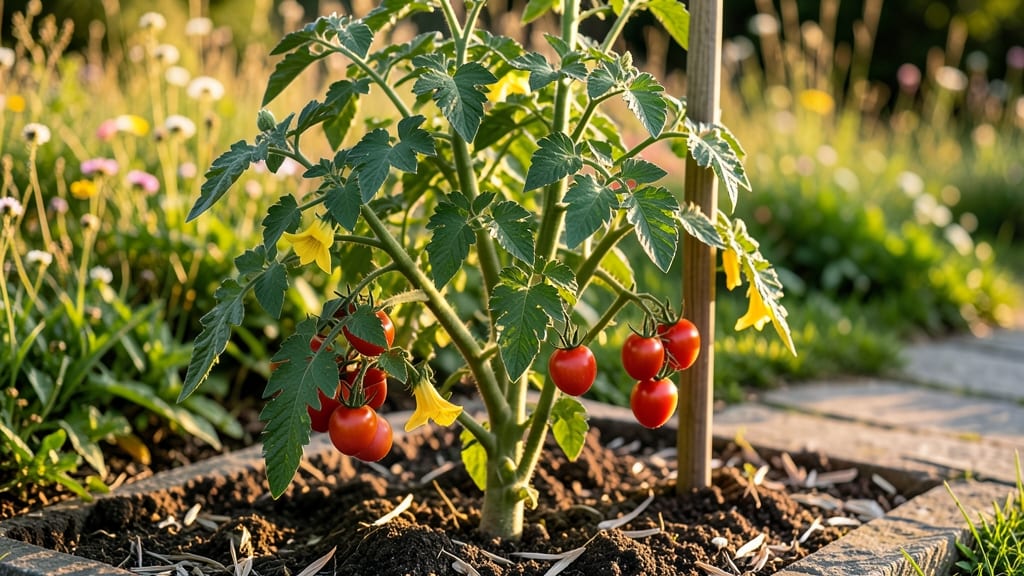
Tomato plants thrive in full sun but can tolerate some shade — though the difference between a bountiful harvest and a handful of fruits often comes down to how much light they actually get.
Struggling to grow healthy tomato plants? The right amount of sunlight can mean the difference between a bountiful harvest and sparse yields — so where do tomatoes truly thrive best?
Too little shade stunts growth, but too much sun can scorch leaves, leaving you with bitter fruit or no fruit at all.
Most gardeners assume tomatoes need full sun all day, but the truth is more nuanced. In Zone 6a, where spring planting kicks off in April, tomatoes need at least 6-8 hours of direct sunlight to set fruit.
Without it, plants stretch toward the light, become leggy, and produce fewer tomatoes.
Here’s what you’ll learn: how to tell if your tomatoes are getting enough light, which varieties handle partial shade, and practical tricks to boost sunlight in shady spots — whether you’re growing in containers or a backyard plot.

Full sun requirements for tomato plants: how much light do they really need?
If you're dreaming of juicy, vine-ripened tomatoes straight from your garden, you're already on the right track—but sunlight is the secret ingredient most gardeners overlook. Tomato plants thrive in full sun, meaning they need 6 to 8+ hours of direct sunlight daily to produce their best fruit.
Without enough light, you’ll end up with leggy stems, fewer flowers, and underdeveloped tomatoes. Let’s break down exactly what your tomatoes need and how to give them the perfect light conditions.
First, it’s important to understand that tomatoes are sun-worshippers. They’re not like shade-loving plants such as lettuce or ferns—they crave intense sunlight to fuel photosynthesis, which is how they grow and produce fruit. Even a few hours less than the ideal can reduce yields by 30-50%.
But here’s the catch: not all sunlight is equal. Morning sun is gentle, while afternoon sun can be intense, especially in hot climates. Balancing both is key for healthy growth.
| Requirement | Specification | Notes |
|---|---|---|
| Minimum Daily Sunlight | 6 hours | Essential for basic growth; yields will suffer below this. |
| Ideal Daily Sunlight | 8+ hours | Maximizes fruit production and plant vigor. |
| Best Sun Window | 6 AM - 8 PM | Morning sun prevents sunburn; afternoon sun fuels fruiting. |
| Seasonal Adjustments | Winter: 6-7 hours | Shorter days reduce light; supplement with grow lights if needed. |
| Signs of Too Little Light | Leggy stems, pale leaves | Plants stretch toward light, weakening structure and reducing fruit set. |
| Signs of Too Much Light | Sunburned leaves, blossom drop | Common in hot climates; use shade cloth or mulch to protect. |
Now that you know the ideal sunlight requirements, let’s talk about how to measure sunlight in your garden. Most gardeners assume they know where the sunniest spot is, but shadows from trees, fences, or even your house can steal critical light hours.
Here’s how to test: Place a white board or piece of cardboard in your potential planting spot for a full day. Mark the shadows every hour. If the shadow falls over your board for less than 6 hours, that spot won’t work for tomatoes.
One of the biggest mistakes I see is planting tomatoes in partial shade without adjustments. If your garden only gets 4-5 hours of sun, you’ll need to choose dwarf or bush varieties like 'Tiny Tim' or 'Patio Princess,' which tolerate lower light better than tall indeterminate types.
Even then, expect smaller yields and slower growth. For containers, place them on a wheelbarrow or stand to move them toward the sun as it shifts throughout the day.
Seasonal changes can also throw off your tomato’s sunlight needs. In winter or early spring, days are shorter, and you might only get 5-6 hours of sunlight.
If you’re growing tomatoes year-round or in cooler climates, consider using grow lights for 2-3 hours in the evening to supplement natural light. LED grow lights are energy-efficient and won’t overheat your plants, making them a great tool for extending the growing season.
Pay attention to your tomato plants’ leaves and stems—they’ll tell you if they’re getting enough light. Leggy, pale stems with small leaves mean your plant is reaching for more sunlight.
On the flip side, yellowing leaves or crispy edges can signal too much intense afternoon sun, especially in hot climates. If this happens, try providing afternoon shade with a lightweight cloth or mulching heavily to keep the soil cool.
Another pro tip: Rotate your tomato plants every few weeks to ensure all sides get equal sunlight exposure. This prevents uneven growth and helps the plant develop a stronger, more compact structure. Plus, it’s a great way to check for pests or diseases on the undersides of leaves.
If you notice fewer flowers or poor fruit set, it’s often a sign of insufficient light—tomatoes need plenty of energy to produce blossoms, and shade can halt this process entirely.
Don’t let misconceptions about "tomatoes needing full sun" fool you—while they prefer full sun, they can survive in partial shade with the right care. However, the quality and quantity of your harvest will suffer.
If you’re in a shady urban garden or balcony, focus on container growing with reflective surfaces (like white walls or mirrors) to bounce extra light onto your plants. And always choose the right variety for your light conditions.
At the end of the day, sunlight is the foundation of a successful tomato harvest. Whether you’re a seasoned gardener or a beginner, giving your plants the right amount of light will pay off with healthier plants, more flowers, and bigger, juicier tomatoes.
So grab that sun gauge, test your garden spots, and get ready to grow the best tomatoes of your life! ☀️🍅
Can tomato plants grow in partial shade? Risks and workarounds for low-light gardens
If your garden gets less than 6 hours of sunlight daily, you might assume tomato plants are a lost cause—but that’s not always true. While tomatoes thrive in full sun, some varieties handle partial shade better than others.
The key is choosing the right shade-tolerant tomatoes and optimizing their growing conditions to maximize what little light they get.
Partial shade can come from urban balconies, dense tree canopies, or even tall buildings blocking sunlight. These conditions often lead to leggy plants, fewer flowers, and poor fruit set.
However, with the right approach, you can still grow small but productive tomato plants in low-light spots.
Tomatoes in Partial Shade: Pros and Cons
Pros
- Slower ripening in hot climates
- Reduced sunscald on fruits
- Less water loss from evaporation
- Works for containers on patios
Cons
- Smaller yields (30-50% less fruit)
- Leggy, weak stems from stretching
- Fewer flowers and poor pollination
- Risk of disease from excess moisture
For partial shade success, start with shade-tolerant varieties like 'Stupice' (a cherry tomato) or 'Black Krim', which handle 4-6 hours of sun better than most. These varieties are bred to thrive in cooler, low-light conditions, making them ideal for urban gardens or north-facing patios.
To maximize light exposure, prune lower leaves to reduce shade competition and train vines upward using cages or trellises. This helps direct sunlight to the fruit and improves air circulation. If growing in containers, place them on wheelbarrows or stands to elevate them and capture more light.
Monitor your plants closely for signs of light deficiency, like yellowing leaves or stretched stems. If you notice these, consider supplemental grow lights (LED or fluorescent) for 4-6 hours daily to boost growth. Even a small 100-watt bulb can make a difference in indoor or balcony gardens.
Remember, partial shade doesn’t mean failure—it just means adjusting your expectations and techniques. With the right varieties, pruning, and container hacks, you can still enjoy a small but rewarding tomato harvest, even in low-light spots. 🌱