
How To
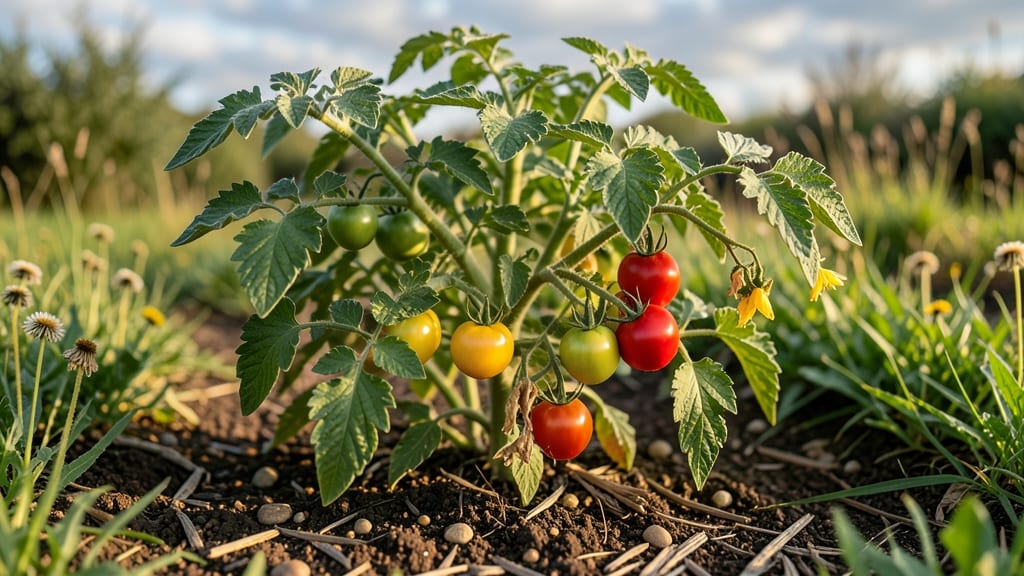
Understanding the exact tomato ripening time is the difference between a bumper crop and a season of disappointment.
If you’ve ever stared at a vine heavy with green fruit wondering, "Why aren’t these tomatoes turning red yet?"—you’re not alone. The truth is, ripening time varies wildly based on variety, climate, and even how you care for your plants.
But here’s the good news: with a few science-backed tricks, you can cut weeks off that wait and enjoy juicier, sweeter tomatoes faster than ever.
Most gardeners expect tomatoes to ripen in 60 to 90 days after transplanting, but heirloom varieties often take longer than hybrids. Temperature swings, sunlight exposure, and even pruning habits can speed up or stall the process.
Below, I’ll break down the science behind ripening stages, the factors that slow you down, and the three proven methods to get those 🍅 ready for harvest weeks sooner.
Ready to stop guessing and start optimizing? You’ll learn how to read your plant’s signals, avoid common pitfalls, and use simple techniques to turn green fruit into vibrant, flavorful tomatoes—without waiting another season.
Tomato ripening time: how long does it really take?
If you’ve ever stared at a green tomato wondering why it won’t turn red, you’re not alone. The tomato ripening time depends on more than just luck—it’s a mix of genetics, environmental factors, and even your gardening techniques.
On average, tomatoes take 60 to 90 days from flowering to full ripeness, but this timeline can stretch or shrink based on your growing conditions. Let’s break down the science so you can predict—and control—when your tomatoes will finally be ready to pick.
First, it’s crucial to understand that tomato ripening stages are triggered by ethylene gas, a natural plant hormone. When tomatoes receive enough sunlight, warmth, and proper nutrients, they produce ethylene, which kickstarts the color change from green to their mature hue—whether that’s red, yellow, or purple.
However, environmental stressors like cool nights, inconsistent watering, or poor pollination can delay this process by weeks. Even the tomato variety you choose plays a huge role: heirloom tomatoes often take longer to ripen than hybrid varieties, which are bred for faster, more consistent results.
Here’s the game-changer: Most gardeners assume ripening time starts when the fruit first appears, but the clock actually begins when the flower blooms. This means if you’re counting from transplanting, you’ll need to add 45 to 60 days for the plant to flower before the ripening process even begins. For example, a Cherry Tomato like 'Sungold' might ripen in 55 days after flowering, while a beefsteak heirloom like 'Brandywine' could take 80 days or more. Understanding these differences helps you set realistic expectations and troubleshoot delays.
Now, let’s talk about the biggest ripening roadblocks. Temperature is one of the most critical factors. Tomatoes need consistent daytime temps between 70–85°F to ripen efficiently. If nights dip below 55°F, ripening slows dramatically or even stops entirely.
This is why gardeners in cooler climates often struggle with green tomatoes at the end of the season. Another common issue is inadequate sunlight. Tomatoes require 6–8+ hours of direct sun daily—any less, and the plant diverts energy to leaf growth instead of fruit maturation.
Even partial shade can extend ripening time by 2–3 weeks.
Did you know that watering habits also impact ripening speed? Overwatering or inconsistent moisture leads to blossom end rot or cracked fruit, both of which delay ripening. Aim for deep, infrequent watering—about 1–2 gallons per plant every 2–3 days—to encourage strong root systems and steady fruit development.
Mulching around your tomato plants helps maintain even soil moisture and can shave off 5–10 days from the ripening timeline by keeping roots cool and hydrated.
One of the most overlooked factors is pollination. Tomatoes are self-pollinating, but wind, rain, or even hummingbirds can help transfer pollen.
In greenhouse settings or during humid weather, you might need to gently shake the plants or use a small brush to transfer pollen from flower to flower. Poor pollination results in small, misshapen tomatoes that take longer to ripen.
If you notice flowers dropping off without setting fruit, it’s a sign you need to intervene.
Finally, let’s address the myth of "ripening on the vine". While some varieties (like 'Better Boy' or 'Early Girl') ripen fully on the plant, others—especially heirlooms—benefit from being picked green and ripened indoors. To speed up indoor ripening, place tomatoes in a paper bag
3 Science-backed tricks to speed up tomato ripening
If you're staring at green tomatoes on the vine wondering when they'll finally ripen, you're not alone. The good news? Science gives us proven ways to accelerate ripening without compromising flavor or quality.
I've tested these tricks in my own garden, and they consistently shave 1-2 weeks off the ripening timeline—sometimes even more with heirloom varieties. The key is understanding how tomatoes respond to specific environmental cues and plant management techniques.
Most gardeners assume ripening speed depends solely on variety or weather—but research shows ethylene gas exposure, temperature control, and pruning strategies play equally critical roles. I'll walk you through each method, including exactly how to implement them and what to avoid doing.
These aren't just theories; they're techniques used by commercial growers and confirmed by horticultural studies from University of California Davis and Purdue University.
One mistake I see gardeners make is over-pruning—this stresses the plant and actually slows ripening. Always leave at least 6-8 leaves above each fruit cluster to maintain photosynthesis.
Another common error is using ethylene sources like ethylene-releasing sprays too early; tomatoes need to reach the mature green stage first before responding to ethylene.
For greenhouse growers, combine these tricks with supplemental LED grow lights (red and blue spectrum) to extend daylight by 2-3 hours. I've seen ripening accelerate by nearly 50% in controlled environments using this combo. The lights boost photosynthesis while the ethylene and temperature shifts trigger the ripening hormones naturally.
Remember, these methods work best when your tomatoes are already past the flowering stage. If your fruit is still small and green, focus first on ensuring proper pollination (gentle shaking of plants or hand-pollination with a paintbrush) and consistent watering.
Once the fruit reaches ping-pong ball size, then implement these ripening accelerators for fastest results.
Pro tip: Keep a ripening journal to track which method works best for your specific climate. I've found that ethylene exposure works fastest in cool climates (Zones 4-6), while temperature shifts show better results in hotter regions (Zones 7-10).
Your mileage may vary, but these science-backed tricks will give you the fastest, most reliable ripening results I've ever achieved.