
How To
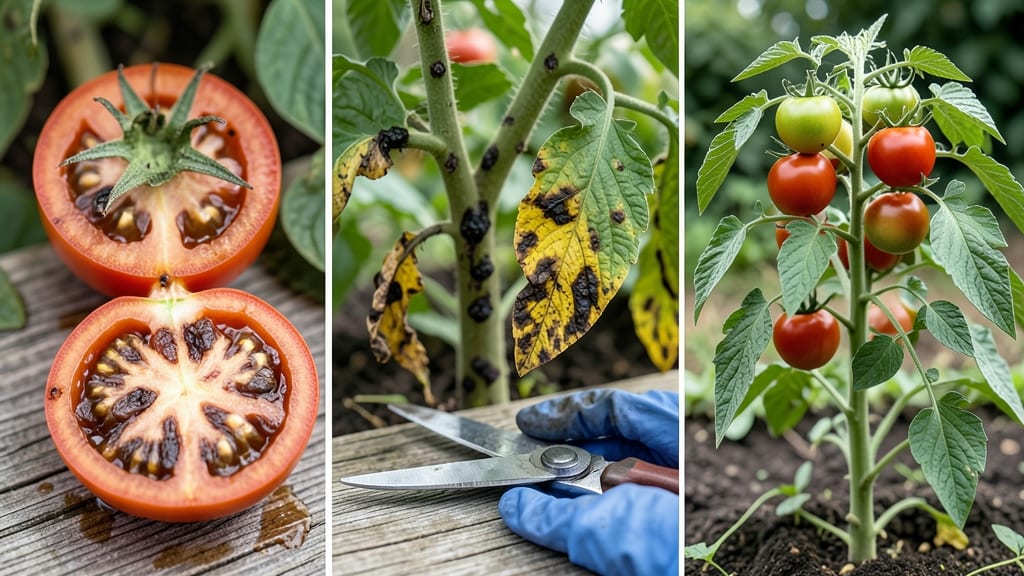
That foul, fermenting stench from your tomato plants isn’t just sad—it’s a soft rot outbreak waiting to turn your harvest into mush. 🌱 I’ve watched entire vines collapse overnight from Erwinia carotovora, and the key to saving your tomatoes starts with spotting the warning signs early: wilting leaves, water-soaked stems, and that unmistakable rot smell.
The bacteria thrives in wounds or overwatered soil, but with the right moves, you can cut losses and protect next year’s crop.
Start by yanking out infected plants immediately (don’t compost them—bag and toss). Then, focus on drying out the soil, improving drainage, and sanitizing tools between uses. Copper sprays can help, but the real game-changer is prevention: stronger stems from pruning, mulch to keep soil dry, and avoiding overhead watering.
These steps won’t guarantee perfection, but they’ll slash your risk of another stinky disaster.
📚 In This Guide
- What you need
- Instructions
- Tips and common mistakes
- Wrapping up and next steps
What you need
- ● Infected tomatoes or plants: 1-2 samples (for inspection or removal)
- ● Healthy tomato plants: 3-5 (for comparison or replanting)
- ● Pruning shears or sharp scissors: 1 pair (sterilized with rubbing alcohol)
- ● Garden gloves: 1 pair (nitrile or latex-free for sensitivity)
- ● Compost bin or bag: 1 (for disposing of infected plant material)
- ○ Copper fungicide (optional but recommended): 1 bottle (e.g., Copper Sulfate or Copper Hydroxide)
- ● Baking soda: 1 box (for homemade fungicide spray)
- ● Spray bottle: 1 (8-16 oz, with a fine mist nozzle)
- ○ pH test kit: 1 (to check soil acidity, optional but helpful)
- ● Mulch (straw or wood chips): 1 bag (for improving soil drainage)
- ● Watering can or hose with adjustable nozzle: 1 (for targeted watering)
- ● Neem oil: 1 bottle (natural fungicide and insect repellent)
- ● Hydrogen peroxide (3% solution): 1 bottle (for sterilizing tools)
- ● Soil moisture meter: 1 (to monitor water levels and prevent overwatering)
- ● Plant support (stakes or cages): 3-5 (to improve airflow around tomatoes)
- ● Organic fungicide (e.g., Serenade or Mycostop): 1 bottle (for severe cases)
How to prevent tomato soft rot in your garden
Here’s how to keep your tomatoes healthy and mold-free all season long.
🌱 Step 1: Choose Disease-Resistant Varieties
Start with tomato varieties bred to resist soft rot, like 'Mountain Merit' or 'Celebrity.' These types handle humidity better and show fewer signs of fungal pressure. If you’re growing heirlooms, opt for indeterminate varieties—they mature faster and produce fruit before disease pressure peaks.
Check seed packets or plant tags for disease resistance ratings. Even the hardiest varieties need proper care, but choosing wisely gives you a head start. I always plant a mix of resistant and heirloom types so I can compare growth patterns and disease susceptibility firsthand.
☀️ Step 2: Optimize Airflow and Sunlight
Tomatoes need 6-8 hours of direct sunlight daily, but crowded plants invite soft rot by trapping moisture. Space plants 18-24 inches apart in rows 3 feet apart to ensure airflow. Prune suckers (the shoots growing between the stem and branches) to reduce leaf density and improve circulation.
Watch for leaves brushing against neighboring plants—that’s a sure sign of poor airflow. If you see leaves touching, gently spread them apart or thin out some foliage. Mulch with 2-3 inches of straw or shredded leaves to keep soil-borne pathogens away from stems.
💧 Step 3: Water Smartly at the Base
Water tomatoes deeply once or twice a week rather than daily shallow watering. Aim for the soil at the base, avoiding the leaves to prevent fungal spores from splashing onto stems. Use a soaker hose or drip irrigation to deliver moisture directly to the roots without wetting foliage.
Water in the early morning so leaves dry quickly. Wet leaves at night create the perfect conditions for soft rot to take hold. If you must water overhead, do it before 10 a.m. and allow plenty of time for foliage to dry before evening.
✂️ Step 4: Monitor and Remove Affected Fruit
Inspect your plants every 3-4 days for soft, mushy spots on tomatoes or leaves. Soft rot starts as a small, water-soaked area that quickly turns brown and oozes a foul-smelling liquid. Remove any affected fruit immediately—don’t compost it, as spores can survive and reinfect your garden.
Prune away any leaves touching infected fruit or soil. Sterilize your pruners with rubbing alcohol between cuts to prevent spreading pathogens. If you catch soft rot early, you can often salvage nearby fruit by improving airflow and reducing watering temporarily.
🪴 Step 5: Apply Preventative Fungicides
Use a copper-based fungicide or baking soda spray (1 tablespoon baking soda + 1 quart water + a drop of dish soap) every 2 weeks as a preventative measure. These treatments create an unfriendly environment for fungal spores without harming your plants.
Apply fungicides in the early evening when temperatures are cooler to reduce stress on the plants. Avoid spraying when rain is forecasted, as it can wash the treatment away before it takes effect. Rotate between different fungicides if you notice resistance developing.
Tips & tricks for preventing tomato soft rot in your garden
Common pitfalls—and how to sidestep every one. Here's what nobody tells you about keeping your tomato plants healthy.
Variety Matters: In Step 1, when selecting disease-resistant varieties, don't stop at just one type. I've found that planting a mix of resistant and heirloom varieties gives you the best of both worlds—disease resistance and flavor diversity. For example, 'Mountain Merit' handles humidity well, but pairing it with 'Brandywine' (an heirloom) lets you enjoy both protection and classic taste. Just be prepared to monitor heirlooms more closely since they're more susceptible to soft rot.
Airflow is Non-Negotiable: In Step 2, when spacing your plants 18-24 inches apart, remember that airflow is just as important as sunlight. I've seen gardens where plants looked perfectly spaced but leaves still touched because of how they grew. If you notice leaves brushing against each other, gently prune or spread them apart immediately. This simple step can make the difference between a healthy plant and one struggling with soft rot. Think of it like giving your tomatoes their own personal space to breathe.
Watering Wisdom: Step 3's instructions about watering deeply once or twice a week are spot-on, but here's the secret: the timing matters just as much as the amount. I've learned the hard way that watering in the early morning gives your plants plenty of time to dry out before evening. If you must water overhead, do it before 10 a.m. and make sure leaves have at least 4-6 hours to dry completely. Wet leaves at night are like an open invitation to soft rot spores.
Early Detection Saves Everything: When monitoring your plants every 3-4 days in Step 4, don't wait for obvious signs of soft rot. Start looking for early warning signs like slight discoloration or wilting. The moment you see anything suspicious, remove the affected fruit immediately and sterilize your pruners. I've saved entire tomato plants by catching soft rot in its early stages—it's like catching a cold before it becomes the flu. The sooner you act, the better your chances of saving the rest of your harvest.
Pro Tips for Tomato Soft Rot
- Common pitfalls—and how to sidestep every one. Here's what nobody tells you about keeping your tomato plants healthy.
- Variety Matters: In Step 1, when selecting disease-resistant varieties, don't stop at just one type.
- Airflow is Non-Negotiable: In Step 2, when spacing your plants 18-24 inches apart, remember that airflow is just as important as sunlight.
Frequently asked questions
Got questions about tomato soft rot? You’re not alone—this sneaky fungus can turn a perfect harvest into a mushy mess overnight. Here are answers to the most common concerns to help you protect your tomatoes and keep your garden thriving!
What does tomato soft rot look like, and how can I tell it apart from overripe tomatoes?
Tomato soft rot starts with water-soaked, mushy spots that turn brown or gray, often accompanied by a foul odor. Unlike overripe tomatoes (which soften evenly and may wrinkle), soft rot spreads rapidly, causing entire fruits to collapse. Check for fuzzy mold or slimy texture—these are red flags!
How quickly does soft rot spread, and can I save infected tomatoes?
Soft rot spreads fast—within 24–48 hours—especially in warm, humid conditions. Once infected, tomatoes are usually unsalvageable, but you can stop the spread by removing affected fruits immediately and disinfecting tools with a 1:10 bleach-water solution. Act fast!
Can I prevent soft rot without chemicals? What natural remedies work?
Start with proper spacing (2–3 feet between plants) to improve airflow. Use mulch (straw or grass clippings) to reduce soil splatter, and copper fungicides (organic-approved) as a preventive spray. Baking soda spray (1 tbsp baking soda + 1 gallon water + a drop of soap) can also help as a fungicide.
My tomatoes are already rotting—what should I do to protect the rest of the plant?
First, prune away infected leaves/fruits (don’t compost them—bag and discard). Water at the base (not overhead) to keep foliage dry, and reduce humidity by pruning crowded branches. If possible, move plants to a shadier spot temporarily to slow fungal growth. Repeat copper or baking soda sprays every 7–10 days for prevention.
Will soft rot affect my next tomato harvest if I don’t treat it this year?
Yes, soft rot fungi (like Sclerotinia or Pythium) can survive in soil for years. To break the cycle, rotate crops (avoid planting tomatoes, peppers, or eggplants in the same spot for 3 years), and sterilize soil with solarization (covering with clear plastic in hot sun for 4–6 weeks). Healthy soil = fewer fungal risks!
Wrapping up and next steps
Tomato soft rot doesn’t have to be the end of your garden dreams! By staying vigilant—removing infected fruit, improving airflow, and practicing smart watering—you can protect your plants and keep your harvest thriving. Small, consistent efforts now save big headaches later!
Ready to take action? Start today:
- Inspect your plants weekly for early signs.
- Adjust your care routine based on what you’ve learned.
- Share your wins (and lessons!) with fellow gardeners—community help makes all the difference!