
Planting
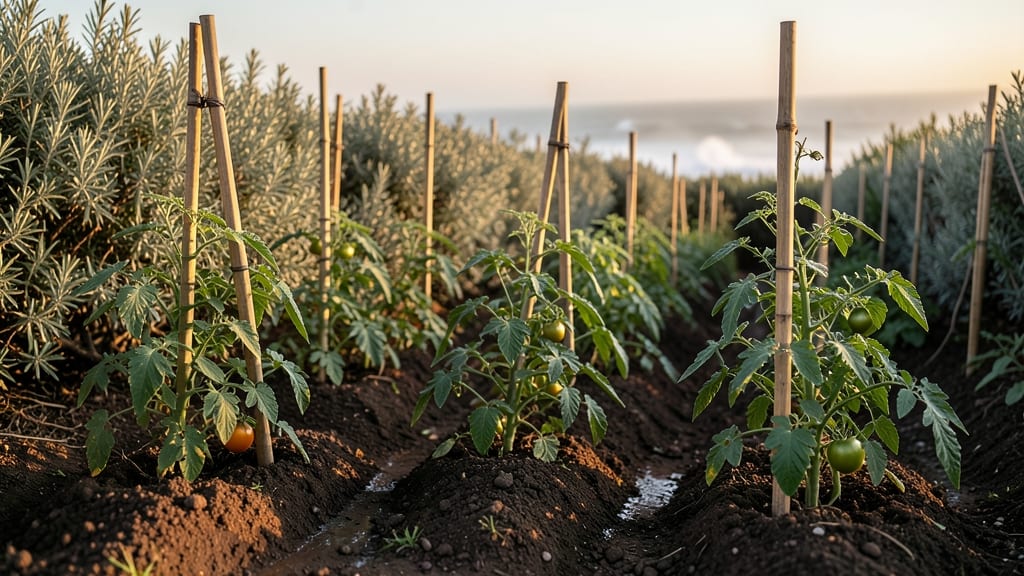
Small gardens can still produce abundant tomato harvests with the right spacing strategy. These 10 proven layouts maximize yield while optimizing sunlight, airflow, and plant health—perfect for container gardens, raised beds, or tight backyard spaces.
Classic Grid Spacing for Determinate Tomatoes
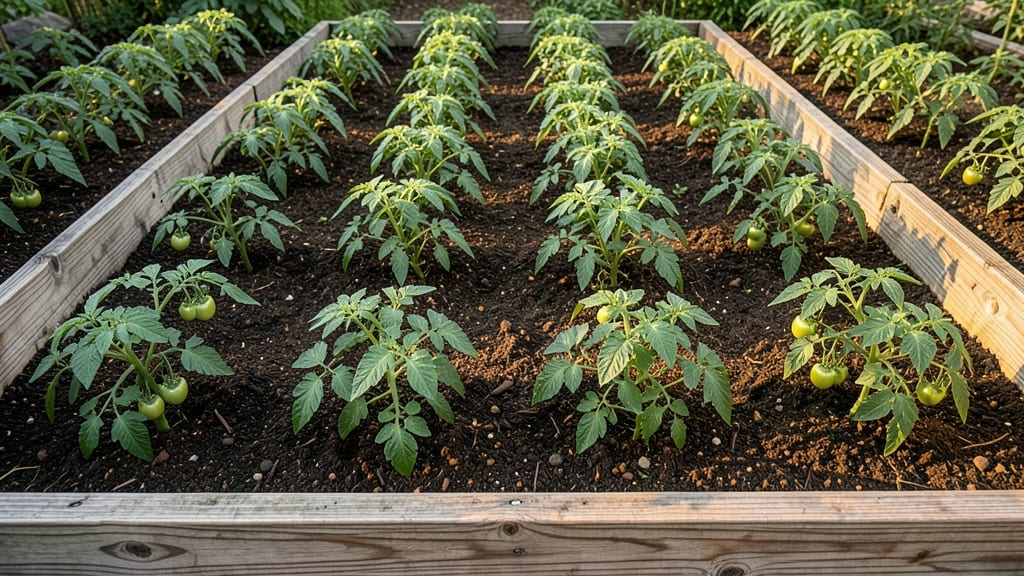
If you're growing determinate tomatoes—those compact, bushy varieties that produce fruit all at once—raised beds are your secret weapon. The classic grid spacing of 18 inches between plants and 24 inches between rows creates a tidy, high-yielding layout that’s perfect for beginners.
This method ensures every plant gets even sunlight exposure without shading neighbors, while the wider row spacing makes harvesting a breeze. For raised beds, this spacing also prevents soil compaction and improves drainage, reducing the risk of disease. Use a measuring tape or string grid to mark your layout before planting for precision.
This approach is ideal for gardeners with small spaces or limited experience, as it minimizes competition for nutrients while maximizing fruit production. Plus, the neat rows make your garden look like a pro’s design! 🌱
Square Foot Gardening Layout for Indeterminate Tomatoes
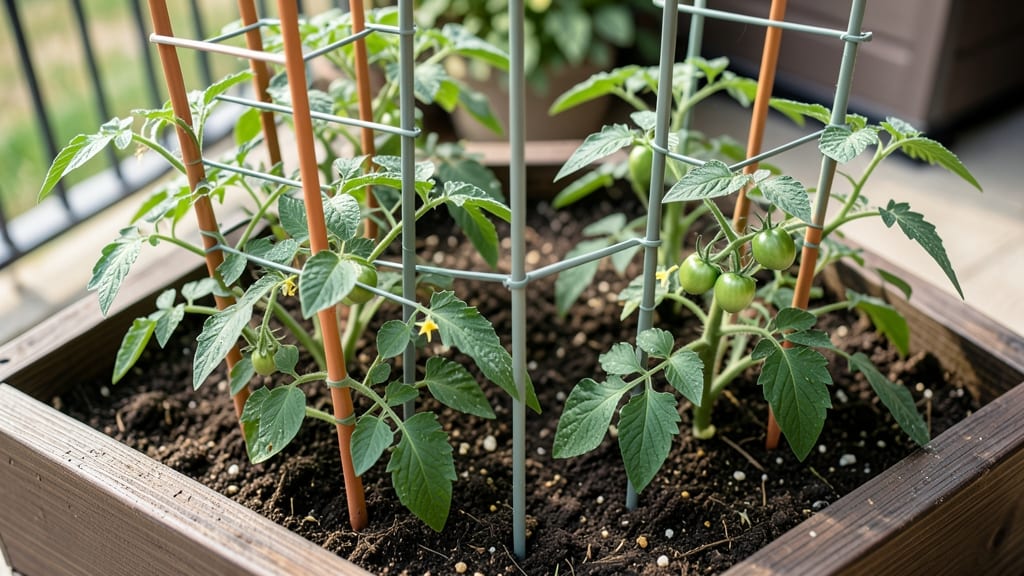
Turn your tiny garden into a tomato powerhouse by embracing the square foot gardening method for indeterminate varieties. This space-saving technique lets you grow one vigorous plant per square foot in a neat 4x4 grid, making it ideal for urban balconies, small patios, or raised beds where every inch counts.
Start by dividing your growing area into 12-inch squares using wooden stakes or string. Plant a single indeterminate tomato in each square, then install a trellis or cage to guide their vertical growth. The key is to prune suckers regularly to focus energy on fruit production rather than bushy foliage. This method works especially well with varieties like 'Sungold' or 'Brandywine,' which thrive when given room to climb.
Perfect for gardeners with limited space but big dreams, this layout maximizes yield without sacrificing plant health. The vertical growth also makes harvesting easier and reduces disease risk by improving airflow. 🌱
Triangular Spacing for Maximum Air Circulation
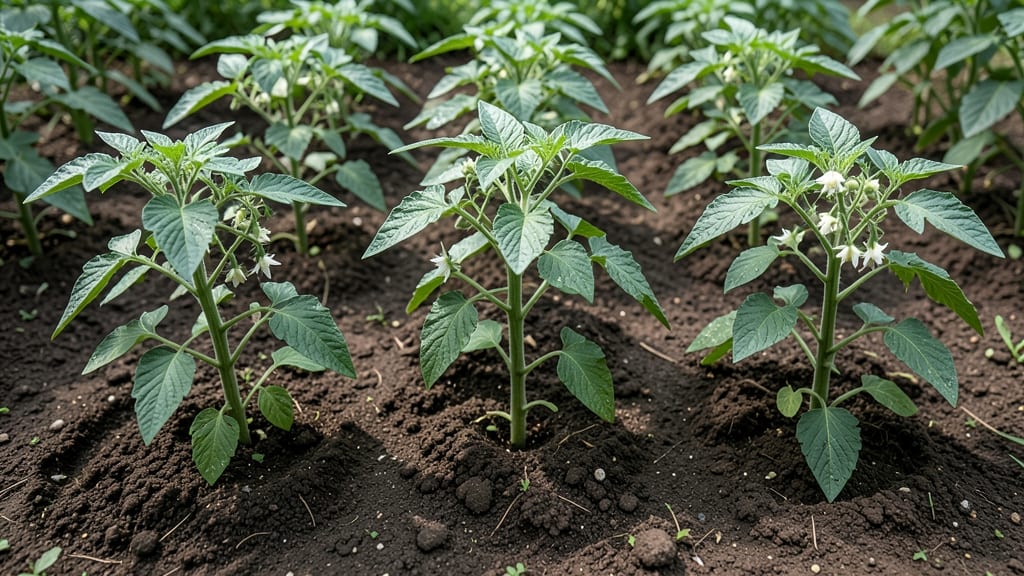
Fighting fungal diseases in humid climates? Try triangular spacing—the secret weapon for airflow. Instead of rigid rows, arrange your tomato plants in equilateral triangles with 24 inches between each plant. This creates natural wind channels that dry foliage faster, reducing the risk of blight and mildew.
The key is positioning each plant at the corner of an imaginary triangle, ensuring leaves don’t brush against neighbors. This works especially well in crowded containers or small raised beds where traditional spacing feels impossible. For extra protection, add a fan on low speed near your plants during hot, muggy afternoons to boost circulation.
This method is a game-changer for gardeners in southern climates or urban balconies with limited space. The open structure also makes it easier to spot early signs of pests or disease before they spread. 🌟
Container Tomato Spacing for Balconies
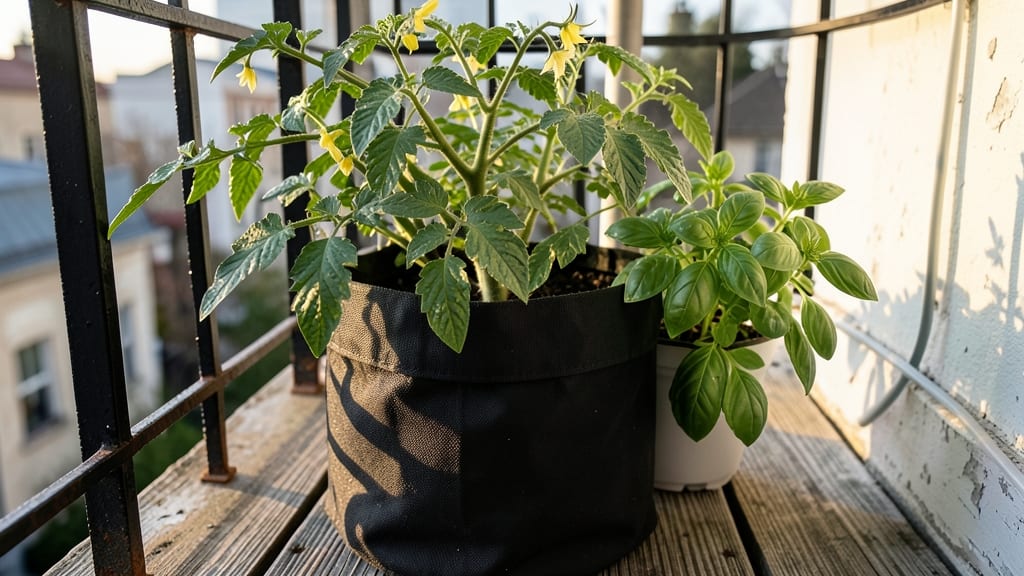
Your urban balcony can become a tomato powerhouse without sacrificing square footage. The secret? One large indeterminate tomato plant per 5-gallon container, paired with sweet basil for a fragrant, productive duo that thrives in tight spaces.
Choose a dwarf or patio indeterminate variety like 'Tiny Tim' or 'Micro Tom' to stay within container limits while still producing 10-20 pounds of fruit per season. Plant your tomato deep—bury the stem up to the first leaves—and tuck 2-3 basil plants at the base. This combo deters pests naturally while enhancing flavor. Ensure containers get at least 6 hours of direct sun daily and use self-watering pots to prevent drought stress.
This setup is perfect for city dwellers, small-space gardeners, or anyone without yard access. With minimal space and just one container, you'll enjoy homegrown tomatoes and fresh basil—no garden required! 🌱
Staggered Row Planting for Succession Harvests
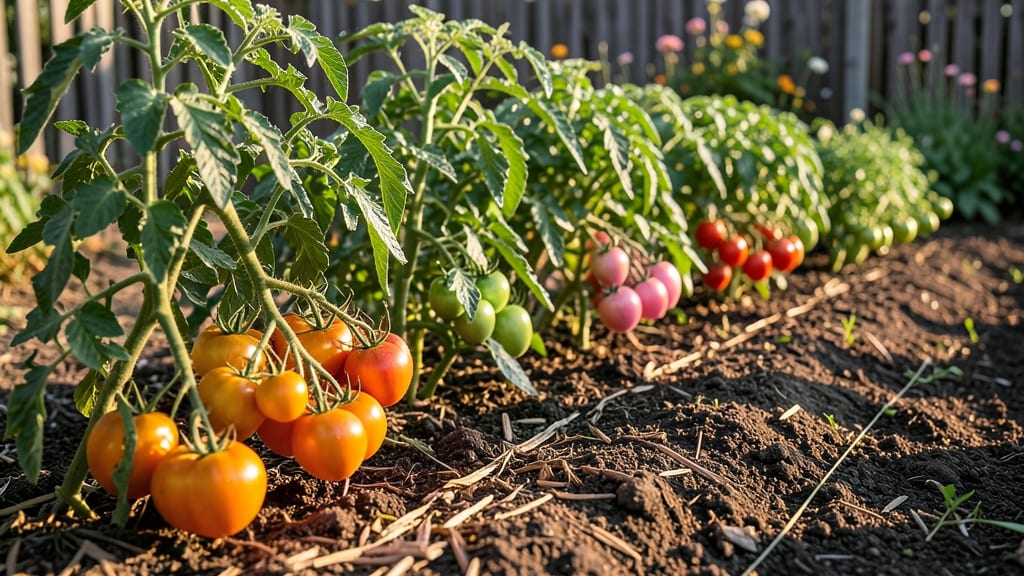
Want to enjoy ripe tomatoes from early summer all the way to frost? Staggered row planting is the secret to a prolonged harvest without planting the same varieties repeatedly. By offsetting rows by just 12 inches, you create a natural succession of maturity dates that keeps your kitchen stocked.
Start by planting your first row with 18-inch spacing between plants and 3 feet between rows. For each subsequent row, shift the planting date by 1-2 weeks and stagger the layout by 12 inches. This simple shift ensures some plants are just starting to fruit while others are already producing, creating a continuous harvest window of 4-6 weeks longer than traditional planting.
This method works especially well for gardeners with limited space who want to maximize yield without adding more plants. It’s also a great solution for determinate varieties that produce all their fruit at once, turning a single harvest into a steady supply. 🌻
Vertical Trellis Spacing for Cherry Tomatoes
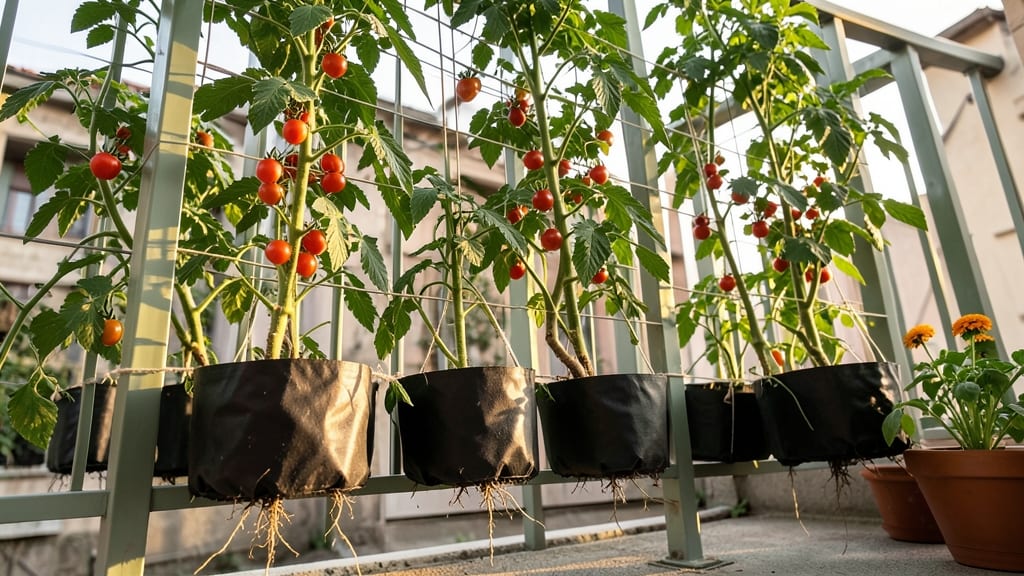
Turn your small balcony or patio into a cherry tomato powerhouse with vertical trellising—this method lets you grow more fruit in less space while keeping plants healthy and productive. A 6-foot trellis with 12-inch spacing between plants creates an efficient, compact system perfect for urban gardeners or those with limited square footage.
Start by installing your trellis along a fence, deck railing, or freestanding frame. Plant cherry tomato varieties like 'Sweet 100' or 'Tiny Tim' at the base, spacing them 12 inches apart along the trellis line. As vines grow, gently weave them through the trellis supports and prune suckers to encourage upward growth. This setup ensures maximum sunlight exposure for all plants while allowing easy harvesting of ripe fruit at eye level.
Urban gardeners and small-space enthusiasts will love how this method doubles or triples your tomato yield without expanding your footprint. Plus, the vertical display adds a stunning visual element to any garden. 🌱
Keyhole Garden Spacing for Water Efficiency
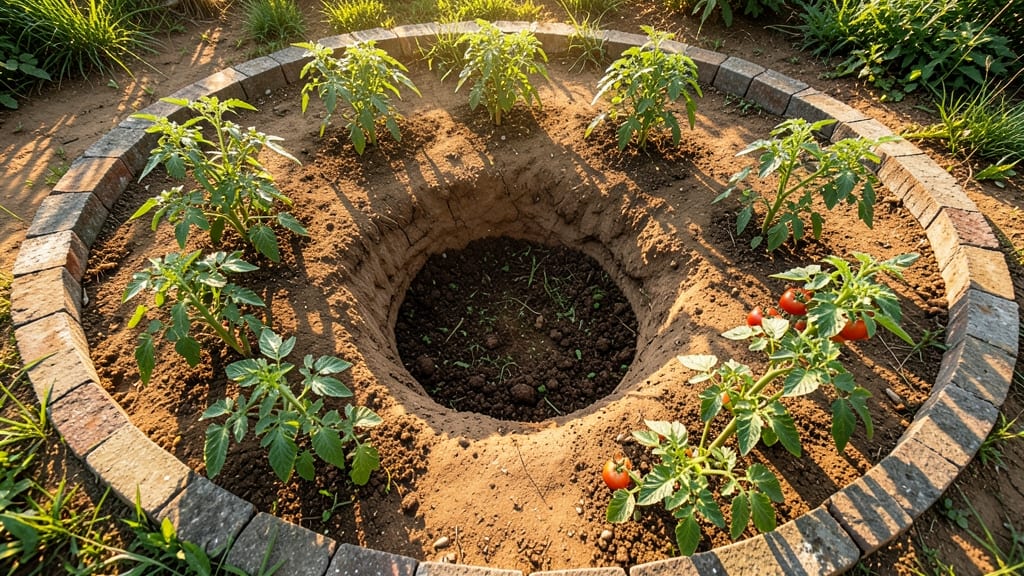
Turn your drought-prone garden into a water-wise tomato powerhouse with a keyhole garden design. This circular layout features a central compost pit surrounded by tomato plants spaced 18 inches apart, creating a self-sustaining ecosystem that retains moisture while feeding your plants.
The compost pit acts as a nutrient reservoir, slowly releasing water and organic matter directly to the roots. Place your tomatoes in a sunny spot with at least 6 hours of light daily, and mulch the outer ring to lock in moisture. This method is perfect for small spaces, urban gardens, or areas where water conservation is critical.
Gardeners in arid climates or those with limited water access will love how this design reduces irrigation needs by up to 50% while still delivering a bountiful harvest. 💚
Hill Planting for Heavy-Fruiting Varieties
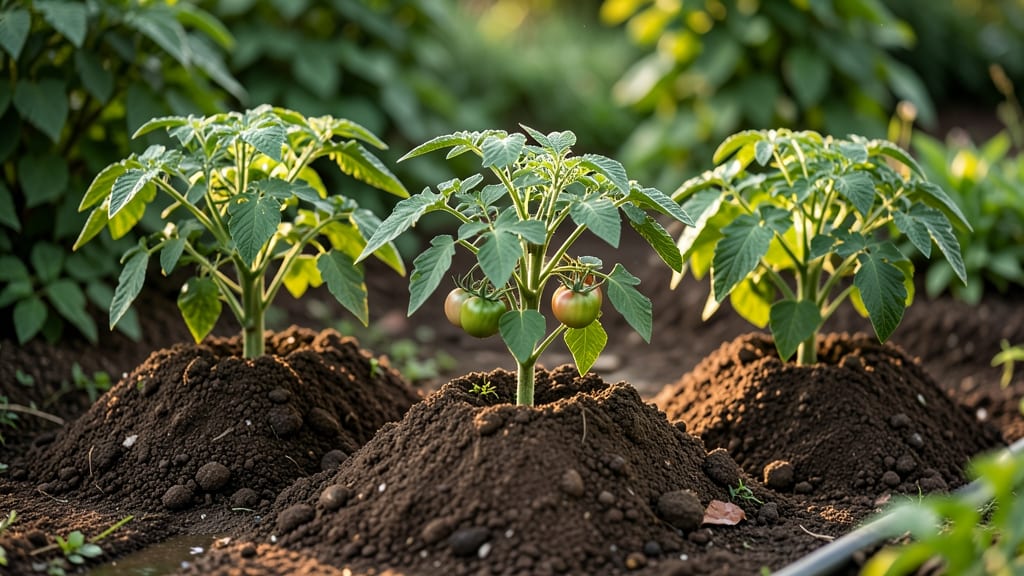
If your garden struggles with damp soil or you’re growing heirloom or beefsteak tomatoes, hill planting could be your secret weapon. This simple technique involves mounding soil into hills—each 12-18 inches high—and spacing plants 24 inches apart at the top. The elevated position keeps fruit off the ground, drastically reducing rot risk while improving drainage.
Start by creating hills in early spring, spacing them 3-4 feet apart to allow airflow between clusters. Plant indeterminate varieties at the hill’s peak, staking or caging them for support. The extra soil also warms up faster in spring, giving your plants a head start. This method works especially well in cool, wet climates where soil-borne diseases thrive.
Gardeners with heavy clay soil or those craving larger tomatoes will see the biggest benefits—your beefsteaks will ripen cleaner and produce more consistently. It’s a low-effort upgrade for anyone growing high-value varieties! 🌟
Intercropping with Shallow-Rooted Plants
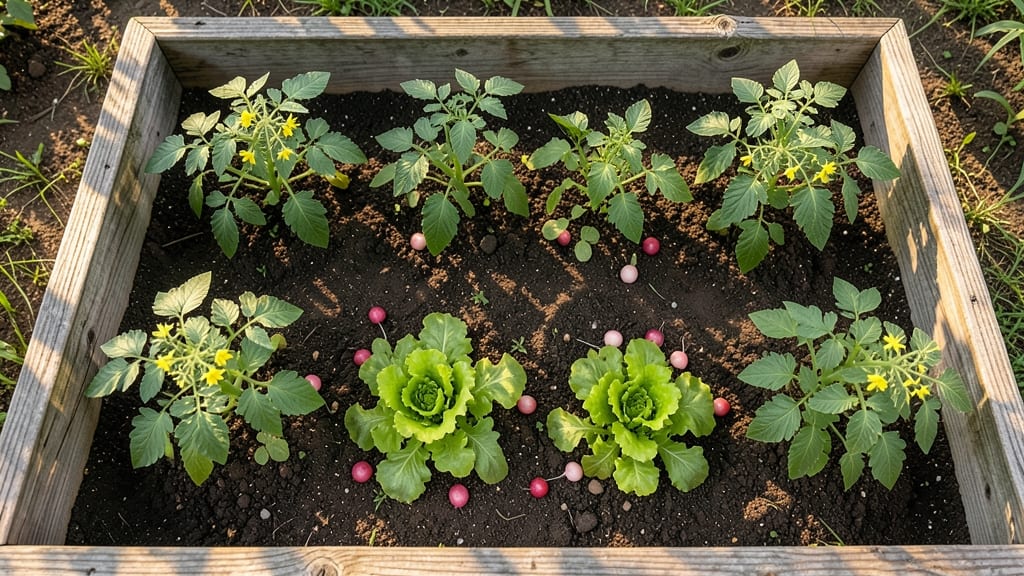
Want to grow more in less space? Intercropping with shallow-rooted plants like lettuce or radishes lets you maximize your garden’s potential without sacrificing tomato yields. By spacing tomatoes 24 inches apart in rows 3 feet apart, you create pockets for fast-growing companions that thrive in the dappled shade of tomato leaves.
This method works especially well for spring and fall gardens, where quick-maturing greens can be harvested before tomatoes fully shade the bed. The shallow roots of lettuce or radishes won’t compete with tomatoes for nutrients or water, while their presence deters pests like slugs and aphids. Plus, the vertical growth of tomatoes provides natural shade, keeping your greens crisp longer.
Perfect for small-space gardeners or those practicing crop rotation, this technique turns wasted ground into productive real estate. Try it in raised beds or containers for even better results! 🌱
Windbreak Spacing for Coastal Gardens

Coastal gardeners know the struggle—salt spray and relentless wind can stunt tomato growth before they even ripen. The solution? A windbreak hedge paired with strategic spacing that shields plants while allowing airflow to prevent disease.
Plant indeterminate tomatoes 30 inches apart in rows 4 feet apart, positioning them 10-15 feet behind a dense hedge like rosemary, privet, or Leyland cypress. This spacing balances protection and sunlight access, while the hedge blocks 70-90% of wind without creating a damp, stagnant microclimate. For extra support, use driftwood or bamboo stakes—they’re naturally salt-resistant and blend into coastal aesthetics.
This layout is a game-changer for salty, breezy climates, where traditional spacing leads to stunted plants. Gardeners along the Gulf Coast or Pacific Northwest will see healthier vines and higher yields with minimal extra effort. 🌻