
Pests
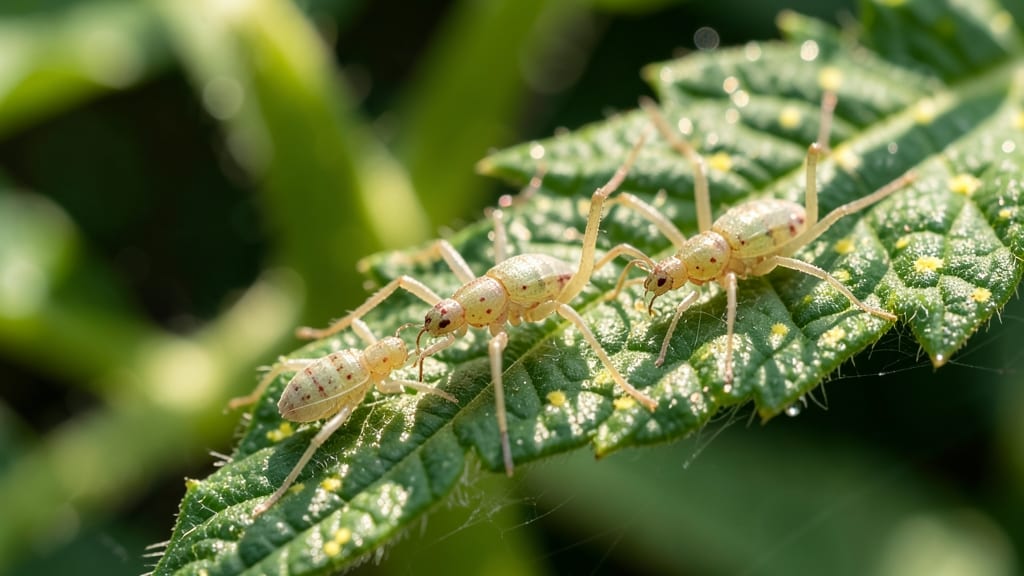
Spider mites on tomatoes turn your lush plants into skeleton leaves faster than you can say "harvest fail." 🌿 I've battled these tiny terrors through three summers of ruined vine-ripened tomatoes, and I finally cracked the code on natural sprays that work within days—not weeks.
The first sign? Tiny yellow dots on leaves that look like someone peppered them with confetti. Then comes the webbing, and suddenly your plants are wrapped in ghostly silk.
My breakthrough came when I swapped harsh chemicals for a neem oil spray mixed with dish soap—it kills mites on contact while protecting your tomatoes for the long haul. You'll see results in 48-72 hours: new growth appears, leaves stop stippling, and those pesky webs vanish.
The key is consistency—spray every 3-5 days until the mites disappear completely, then switch to preventive measures like proper watering and pruning to keep them away for good. This method works for all tomato varieties, from cherry to beefsteak, and keeps your garden thriving without toxic residues.
Let's get those plants back to their full, healthy glory!
Root Causes Of Tiny Webbed Invaders
If your tomato plants are suddenly covered in fine webbing and tiny specks, you’re likely dealing with a pest outbreak—and understanding why it happens is the first step to stopping it.
These pests thrive under specific conditions, often linked to environmental stress or poor plant care. Below, we break down the most common triggers, so you can address the problem at its source.
Spider mites are heat-loving pests—they multiply rapidly when temperatures soar above 85°F (29°C). Dry air worsens the issue because:
- Plants lose moisture faster, making them weaker and more vulnerable to attack.
- Mites’ natural predators (like ladybugs) struggle to survive in arid conditions, leaving your plants defenseless.
- Webbing becomes more visible as mites spin protective silk to retain moisture in dry environments.
Actionable fix: Increase humidity around plants with mulch, shade cloth, or a light misting—especially in afternoon heat.
While mites prefer dry conditions, overwatering can indirectly invite them by creating the perfect storm:
- Root rot weakens plants, making them easier targets for pests.
- Excess moisture on leaves can trap mites and their eggs, accelerating spread.
- Compacted or waterlogged soil reduces beneficial microbes that naturally suppress pests.
Actionable fix:
- Ensure pots have drainage holes and soil dries slightly between waterings.
- Avoid wetting foliage—water at the base instead.
When tomato plants are starved of nitrogen, they become stressed and stunted, making them prime hosts. Mites detect these chemical changes and flock to:
- Yellowing leaves (a sign of nitrogen deficiency).
- New growth, which is softer and easier to pierce.
- Weakened plant defenses, reducing natural pest resistance.
Actionable fix: Feed plants with a balanced fertilizer (10-10-10) or compost tea to boost nitrogen and overall health.
Tightly packed tomato plants create microclimates where mites thrive:
- Reduced airflow traps heat and humidity, mimicking their ideal conditions.
- Shared webbing spreads faster between leaves, turning one infestation into many.
- Stressed plants (from competition for light/nutrients) emit signals that attract pests.
Actionable fix: Prune plants to improve circulation and space them 18–24 inches apart.
Many gardeners unknowingly invite mites by using broad-spectrum pesticides or fungicides, which:
- Kill beneficial insects (like predatory mites or lacewings) that keep populations in check.
- Disrupt plant chemistry, making leaves more attractive to mites.
- Create resistance in surviving pests, leading to worse outbreaks later.
Actionable fix: Opt for targeted, natural sprays (like neem oil) and avoid synthetic chemicals during bloom.
Mites are tiny hitchhikers—they spread via wind, tools, or even your clothes. Dusty environments accelerate the problem because:
- Dust clogs stomata (leaf pores), weakening plants and making them more susceptible.
- Wind disperses webbing, carrying eggs and mites to nearby plants.
- Outdoor tools or clothing can transfer mites between gardens.
Actionable fix:
- Inspect new plants or tools before bringing them near your garden.
- Use row covers in windy areas to protect young plants.
Quick Fixes for Tiny Webbed Invaders
When those tiny, web-spinning pests start turning your tomato plants into a tangled mess, panic isn’t the answer—action is! Spider mites thrive in dry, dusty conditions, but with the right strategies, you can reclaim your garden in no time.
Below, we’ve broken down the most effective fixes based on the root cause of your infestation, plus prevention tips to keep those eight-legged troublemakers from crashing your harvest again.
Spider mites love heat and low humidity—perfect conditions for them to multiply like crazy. If your plants are wilting under the sun or your garden feels like a desert, it’s time to restore balance.
💦 Immediate Relief: Hydration Boost
- Mist your plants daily (especially undersides of leaves) to raise humidity and wash away mites. Use a fine-mist sprayer in the early morning or evening to avoid scorching leaves.
- Set up a shade cloth (30-50% coverage) over affected plants to reduce direct sunlight. Even a temporary pop-up shade tent works in a pinch.
- Place a tray of water near plants—evaporation increases local humidity and deters mites.
🌿 Long-Term Fix: Soil & Air Moisture
- Mulch around the base of tomato plants with straw or wood chips to retain soil moisture and cool roots.
- Group plants together to create a microclimate with higher humidity. Just avoid overcrowding, which can spread disease.
- 💡 Pro Tip: Install a small humidifier near greenhouse or indoor plants if you’re growing tomatoes inside.
If you’re seeing visible webbing or leaves speckled with tiny moving dots, it’s time for a three-pronged assault:
🍳 DIY Spray Recipes (Safe & Effective)
| Spray | How to Make It | How to Apply |
|---|---|---|
| Neem Oil Solution | Mix 1 tsp neem oil + 1 tsp mild soap + 1 quart water. Shake well. | Spray thoroughly on all leaf surfaces, including stems. Repeat every 5-7 days for 2 weeks. |
| Garlic & Pepper Spray | Blend 4 garlic cloves + 1 tbsp cayenne pepper + 1 quart water. Strain and add 1 tsp soap. | Spray in the evening to avoid burning plants. Reapply every 3 days. |
| Soap Spray | Dissolve 1 tbsp castile soap in 1 quart water. Add 1 tsp vegetable oil. | Focus on undersides of leaves where mites hide. Test on a small area first! |
👨🍳 Application Tips
- Spray early or late in the day to avoid harming beneficial insects (like ladybugs) that might also be in your garden.
- Use a handheld sprayer with a fine nozzle to reach every nook—mites hide in leaf curls and crevices!
- 🔥 Hot Tip: Add a few drops of dish soap (not detergent) to any spray to help it stick to leaves longer.
The best way to deal with spider mites? Stop them before they start. Here’s how to create a mite-proof garden:
🌿 Garden Habits That Repel Mites
- Water wisely: Deep watering at the base (not overhead) keeps leaves dry and mites away. Aim for 1-1.5 inches of water per week.
- Prune regularly: Remove yellow or damaged leaves—mites love weak spots. Prune in the morning so leaves dry quickly.
- Encourage predators: Plant marigolds, basil, or dill nearby to attract ladybugs, lacewings, and predatory mites that eat spider mites.
- 💡 Pro Tip: Dust plants with diatomaceous earth (food-grade) as a last-resort barrier. Reapply after rain—it works by dehydrating mites!
🧼 Cleanliness Is Key
- Disinfect tools: Wipe pruners and garden gloves with rubbing alcohol between uses to avoid spreading mites.
- Remove weeds: Weeds harbor mites and compete with your tomatoes for nutrients. Pull them weekly.
- Rotate crops: If you grow tomatoes in the same spot yearly, mites build up in the soil. Rotate to a new area every 2-3 years.
With these targeted fixes, your tomato plants should bounce back in 1-2 weeks. The key is consistency—mites are sneaky, so don’t skip treatments! Once your garden is mite-free, enjoy the sweet reward of juicy, healthy tomatoes without the itchy aftermath. 🍅✨
Frequently asked questions about tomato spider mites
How do I know if my tomato plants have spider mites?
Look for tiny yellow or white speckles on leaves (like peppered confetti) and fine webbing between stems or leaves. Hold a white sheet under leaves—mites will scatter when disturbed. Early signs include leaves turning bronze or gray and a general decline in plant health.
Will neem oil kill spider mites completely?
Neem oil is highly effective but requires consistent application—spray every 5-7 days for 2-3 weeks to break their life cycle. For severe infestations, combine with a soap spray (1 tbsp castile soap per quart of water) to suffocate eggs and adults.
Can I still eat tomatoes from plants with spider mites?
Yes, but focus on fully ripened tomatoes already on the vine before treating. Mites rarely infest fruit directly, but wash tomatoes thoroughly before eating. Avoid eating leaves or green fruit—mites can contaminate them. Treat plants first to protect future harvests.
Why do spider mites keep coming back after treatment?
Mites often return due to dry conditions, untreated hiding spots, or new eggs hatching. Increase humidity, spray undersides of leaves, and repeat treatments every 3-5 days until no new webbing appears. Check nearby plants—they may be reinfesting your tomatoes.
Are there any plants that repel spider mites naturally?
Yes! Plant marigolds, basil, or dill near tomatoes to attract predatory insects like ladybugs and lacewings, which eat mites. These companion plants also improve air circulation, making conditions less ideal for mites. Aromatic herbs like thyme and rosemary can also deter them.