
Pests
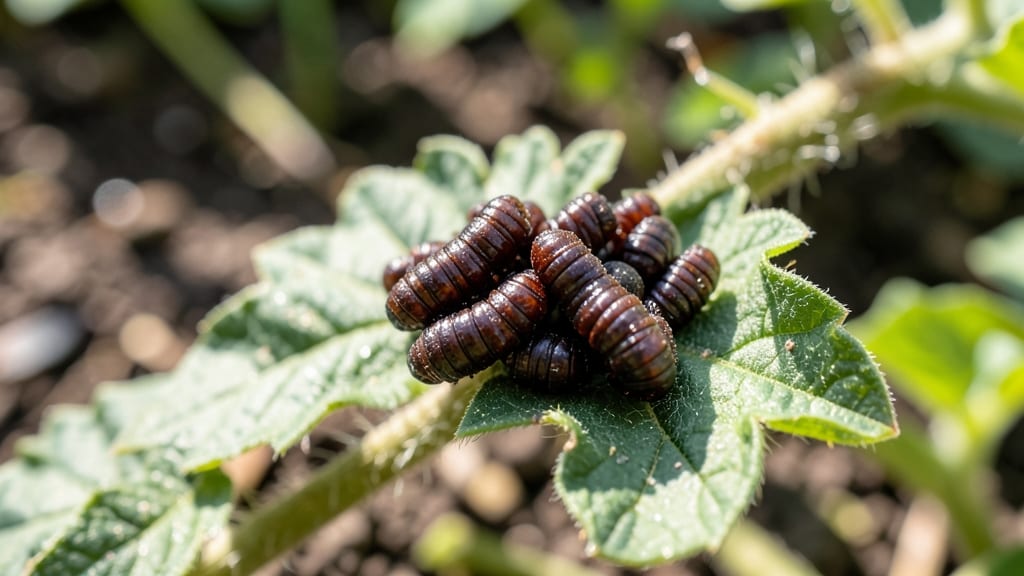
Those tiny black specks on your tomato leaves aren’t dirt—they’re tomato worm poop, and they’re a dead giveaway your plants are under siege. 🌱 I’ve seen this mess turn vibrant tomato plants into sad, skeletonized shadows, but there’s a way to fight back without harsh chemicals that harm your garden’s ecosystem.
The problem starts when hornworms munch through your leaves, leaving behind their telltale droppings while stripping plants of their ability to photosynthesize. These pests thrive in warm weather and can decimate a garden in days if left unchecked.
The good news? You can spot them early by looking for their distinctive black frass (that’s gardener-speak for poop) and chewed leaves.
With the right organic remedies—like introducing beneficial nematodes or spraying neem oil—you’ll see those worm populations crash within a week. Your plants will bounce back with stronger growth, and you’ll avoid the heartbreak of losing an entire harvest to these sneaky critters.
This works for both backyard gardens and container-grown tomatoes, and the methods protect pollinators while keeping your plants healthy. Let’s get those worms under control the natural way!
Root Causes of Worm Droppings
Discovering tiny black specks—often mistaken for tomato worm poop—on your plants can be puzzling, but it’s usually a sign of natural pest activity rather than a garden disaster. Understanding the underlying causes helps you address the issue effectively.
Below, we break down the most common reasons why these droppings appear and what’s really going on in your garden.
The most obvious culprit behind those black specks is an infestation of tomato hornworms (Manduca sexta). These voracious caterpillars munch through tomato foliage and fruit with alarming speed, leaving behind a trail of waste as they feed.
- Why it happens: Female moths lay eggs on tomato plants, and once hatched, hornworms grow rapidly, consuming large amounts of plant material daily. Their digestive systems process this high-volume intake quickly, resulting in frequent, dark droppings.
- Key signs:
- Large green caterpillars with white diagonal stripes (or no stripes in some regions).
- Chewed leaves with holes larger than a dime.
- Black, tar-like droppings near feeding sites.
- Actionable fix: Handpick worms during early morning or evening when they’re less active. Drop them into soapy water to eliminate them. Introduce natural predators like Trichogramma wasps or parasitic Cotesia congregata worms to control populations organically.
Neglected garden debris—like fallen leaves, plant residues, or uneaten fruit—creates a haven for pests, including those that produce droppings. A cluttered garden attracts not just hornworms but also other insects that contribute to organic waste buildup.
- Why it happens: Organic matter decomposes, releasing nutrients that lure pests. If your garden has high humidity or poor airflow, droppings from insects (or even slugs/snails) may accumulate unnoticed.
- Key signs:
- Piles of black or brown debris under plants.
- Slow decomposition of plant material.
- Increased pest activity in shaded or damp areas.
- Actionable fix:
- Regularly prune dead or diseased leaves and remove fallen fruit.
- Mulch sparingly—thick layers trap moisture and pests.
- Improve air circulation by spacing plants properly and avoiding overcrowding.
Stressed or injured tomato plants are more vulnerable to pest infestations. When plants are weakened—whether by disease, nutrient deficiencies, or physical damage—they become prime targets for feeding insects, leading to increased droppings.
- Why it happens: Pests like hornworms and aphids are drawn to plants that are already struggling. Damaged foliage or fruit provides easier access, and the plant’s weakened defenses make it harder to repel invaders.
- Key signs:
- Yellowing or wilting leaves.
- Stunted growth or blossom end rot.
- Visible pest activity on stressed areas.
- Actionable fix:
- Ensure plants receive balanced fertilization (high in potassium for resilience).
- Water at the base of plants to avoid wetting leaves (reduces fungal stress).
- Apply compost tea or neem oil to boost plant immunity.
Not all droppings come from pests! Some garden droppings are actually a sign of beneficial insects at work—like ladybugs or lacewings—which help control harmful pests. However, distinguishing between helpful and harmful waste can be tricky.
- Why it happens: Beneficial insects feed on aphids, mites, and other pests, producing small, round droppings. Meanwhile, pests like hornworms leave larger, irregular droppings. Confusing the two can lead to unnecessary interventions.
- Key signs to tell them apart:
Harmful Pest Droppings Beneficial Insect Droppings Large, black, tar-like specks (hornworms). Tiny, round, yellowish-brown pellets (ladybugs). Irregular, grainy texture (aphids, beetles). Smooth, almost powdery appearance (lacewings). - Actionable fix: If you spot beneficial insects, avoid broad-spectrum pesticides. Instead, encourage their habitat by planting companion flowers (like dill or marigolds) and providing water sources.
Eliminate Tomato Worm Waste Naturally
Dealing with tomato worm poop isn’t just about aesthetics—it’s a sign your plants are under siege, and the larvae (hornworms) are munching away at your harvest. The good news? You can tackle this organically without harsh chemicals.
Below are targeted solutions based on the root causes (infestation, poor garden hygiene, or weak plants) and preventive tips to keep your tomatoes thriving.
If tomato hornworms (the culprits behind the poop) are already feasting, act fast to break their cycle.
🍳 Handpick Larvae Daily (Best for Small Gardens)
- When to do it: Early morning or evening when hornworms are sluggish.
- How to do it:
- Wear gloves and inspect leaves, stems, and fruit for green, black, or brown caterpillars (1–4 inches long).
- Drop them into a bucket of soapy water (1 tbsp dish soap per gallon) to kill them instantly.
- Check under leaves and near blossoms—they love hiding there!
- Pro tip: 💡 Train kids or pets to help!
Make it a game with a small reward for every worm found.
👨🍳 Introduce Natural Predators
Hornworms have enemies in the garden—leverage them!
- Parasitic wasps (like Cotesia congregata): These lay eggs inside hornworm larvae, turning them into "zombies" that stop eating. No action needed—just let nature do the work!
- Ladybugs & lacewings: Release them in the evening when they’re most active.
Avoid pesticides, as these bugs are sensitive. - Praying mantises: Place egg cases (oothecae) near tomato plants in spring.
🥘 Use Organic Sprays (Targeted & Safe)
If handpicking isn’t enough, spray these solutions at dusk to avoid harming bees:
- Neem oil spray:
- Mix 2 tbsp neem oil + 1 tsp mild soap + 1 quart water.
- Spray directly on larvae (avoid flowers to protect pollinators).
- Reapply every 5–7 days until infestation clears.
- Bacillus thuringiensis (Bt):
- A bacteria-based spray that kills caterpillars when ingested.
- Safe for organic gardens; reapply after rain.
- Spinosad (fermentation-based):
- Derived from soil bacteria; effective but avoid spraying in bloom to protect bees.
Tomato worm poop and eggs linger—remove them to break the cycle.
🌱 Remove Infested Plant Debris
- Pull and destroy heavily damaged leaves or fruits (don’t compost them!).
- Shred and discard (or burn) plant waste in sealed bags—hornworm eggs can survive in compost.
- Rotate crops: Avoid planting tomatoes, peppers, or eggplants in the same spot for 3 years to starve larvae.
🌡️ Mulch Strategically
- Use reflective mulch (aluminum foil or silver plastic) around plants—hornworms hate the glare and may avoid laying eggs.
- Straw or grass clippings (not fresh) can smother eggs over time.
Healthy tomatoes fight back against pests. Boost their defenses with:
💪 Nutrient Boosts
- High-nitrogen fertilizer (like fish emulsion) early in the season to encourage leafy growth (hornworms prefer lush plants).
- Potassium-rich compost (wood ash or banana peels) to harden plant skins, making them less appealing.
🌿 Companion Planting
- Basil, marigolds, or dill repel hornworms with their strong scents.
- Nasturtiums act as a trap crop—plant them near tomatoes to lure hornworms away.
✨ Early Intervention for Eggs
- Check undersides of leaves for tiny white or yellow eggs (laid in clusters).
- Scrape them off with a fingernail or spray with soapy water before they hatch.
| Time | Action |
|---|---|
| Early Spring | Plant basil or marigolds near tomatoes. |
| Planting | Use Bt spray as a preventative every 2 weeks. |
| Summer | Handpick daily for 10–15 mins; check for eggs weekly. |
| Fall | Rotate crops; compost only disease-free plant matter. |
Final Pro Tip: 🌟 Monitor your garden like a detective—catching hornworms early (before they poop!) saves your tomatoes. A little daily effort now means no more black droppings on your harvest later!
Frequently asked questions
What do those black specks on my tomato leaves really mean?
Those tiny black specks are almost always tomato hornworm frass (their poop), a clear sign these caterpillars are devouring your plants. The droppings appear as dark, tar-like specks near chewed leaves—hornworms can strip a plant bare in just days if left unchecked.
Are those droppings harmful to my tomato plants?
Not directly, but the droppings signal a bigger problem: severe defoliation from hornworm feeding. When these pests remove too many leaves, your plant loses its ability to photosynthesize, weakening growth and reducing fruit production. The waste itself can also harbor fungal spores if left to accumulate.
How can I tell if the droppings are from hornworms vs. beneficial insects?
Hornworm droppings are large, black, and tar-like, while beneficial insects like ladybugs leave tiny, round, yellowish-brown pellets. Look for the source: hornworms leave chewed leaves with holes larger than a dime, while beneficial insects target pests like aphids.
Will neem oil or Bt spray actually work on hornworms?
Yes! Both are highly effective when applied correctly. Bacillus thuringiensis (Bt) kills hornworms when ingested, while neem oil disrupts their feeding and growth. For best results, spray at dusk to protect pollinators, and reapply every 5-7 days or after rain.
Can I still save my tomato harvest if I see these droppings?
Act fast by handpicking larvae (drop them in soapy water) and removing heavily damaged leaves. If caught early, your plant can recover—just ensure it gets proper nutrients (like potassium) and companion plants (basil/marigolds) to deter future pests.