
Companion Plants
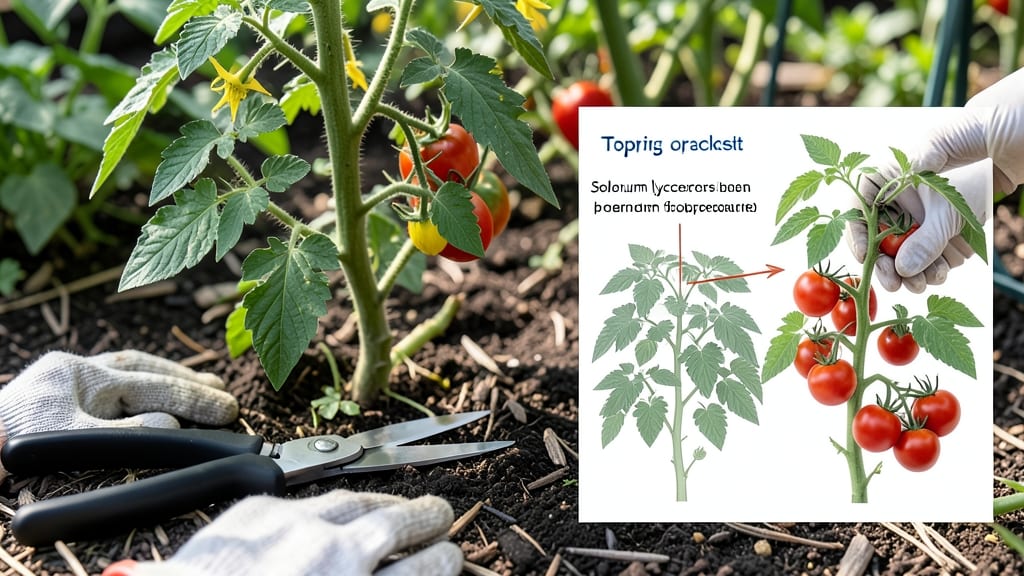
Pinching off those top leaves isn't just pruning—it's the secret to bushier tomato plants with sweeter fruit. 🌱 I learned this the hard way when my indeterminate tomatoes grew tall but produced tiny, bland berries. The right companion plants make all the difference, too.
Topping encourages energy to flow into side shoots instead of endless vertical growth. For indeterminate varieties, stop when plants hit your trellis or cage—usually 6-8 feet tall. Determinate types need less aggressive topping since they naturally stop growing.
You'll see thicker stems, more flowers, and larger fruit within weeks. The key is timing: do it in the morning on a cloudy day to reduce stress. Pair tomatoes with basil or marigolds to repel pests while boosting flavor naturally.
Common mistakes? Over-topping (which stunts growth) or using dull tools (which crush stems). Grab sharp pruners and work gently—your plants will thank you with a bounty of vibrant, flavorful tomatoes all season long.
📚 In This Guide
- What you need
- Instructions
- Tips and common mistakes
- Wrapping up and next steps
What you need
- ● Tomato plants: Healthy, established plants (determinate or indeterminate, depending on your preference). Aim for at least 3-5 plants for a balanced companion setup.
- ● Companion plants: Choose from the list below (quantities vary—see tips for guidance!): Basil (3-5 plants per tomato)
- ● Marigolds (2-3 plants per tomato)
- ● Bush beans (1-2 plants per tomato)
- ● Nasturtiums (3-5 plants per tomato)
- ● Onions or garlic (1-2 plants per tomato)
- ● Garden soil: Well-draining, nutrient-rich soil (pH 6.0-6.8). Amend with compost if needed.
- ● Watering can or hose: With a gentle spray nozzle for even watering.
- ○ Gloves (optional but recommended): To protect your hands from thorns or soil.
- ● Organic fertilizer: Balanced (e.g., 10-10-10) or tomato-specific blend for a mid-season boost.
- ● Mulch: Straw or shredded leaves to retain moisture and suppress weeds.
- ● Plant markers: Small stakes or labels to track companion pairings.
- ● Pruning shears: For trimming leggy growth or shaping plants.
- ● Shade cloth: Lightweight fabric to protect seedlings from intense sun.
How to top tomato plants for maximum yield and flavor
Here’s the method I’ve used for years to produce tomatoes with better air circulation, fewer diseases, and sweeter fruit.
🌱 Step 1: Identify the Right Time to Top
Topping tomato plants means pinching off the growing tip to redirect energy into fruit production instead of leafy growth. I do this when the plant reaches about 4-5 feet tall or when it’s developed 6-8 main stems—whichever comes first. This timing ensures the plant has enough structure to support fruit but isn’t overgrown and leggy.
Check the plant’s growth habit first. If it’s growing aggressively upward with long, bare stems, it’s ready. Avoid topping too early—you’ll stunt the plant’s ability to produce flowers and fruit. Look for new leaf sets forming at the top; these are your signal to act.
☀️ Step 2: Choose the Best Companion Plants to Pair
Companion planting enhances flavor and growth by improving soil health, deterring pests, and maximizing space. I pair tomatoes with basil (planted at the base to repel flies and improve taste), marigolds (to deter nematodes), and onions or garlic (which suppress fungal diseases). Avoid planting tomatoes near brassicas (like cabbage) or corn, as they compete for nutrients.
Space companions strategically: basil should be planted 12-18 inches away from the tomato stems, while marigolds can go 18-24 inches out to create a pest-repelling barrier. Onions or garlic can be tucked 6-8 inches away near the tomato’s base. This setup creates a micro-ecosystem that boosts both growth and flavor.
✂️ Step 3: Pinch Off the Terminal Bud
Use clean, sharp pruning shears or your fingers to pinch off the topmost set of leaves and the growing tip—this is called the terminal bud. I make the cut just above a leaf node (where leaves and stems meet) to encourage lateral growth. Avoid leaving a stub; a clean cut prevents disease entry.
Watch for new side shoots forming below the pinch point within 5-7 days. These will develop into secondary stems that produce more flowers and fruit. If you see any suckers (small shoots growing in the crotch between the main stem and a branch), remove them promptly to avoid overcrowding.
💧 Step 4: Support and Maintain the Plant
After topping, stake or cage the plant immediately if you haven’t already. Tomatoes need strong support to handle the weight of new fruit, especially after redirecting energy from vertical growth. I use 6-foot bamboo stakes or heavy-duty tomato cages to keep the plant upright and prevent breakage.
Water deeply once a week (or more in extreme heat) to encourage root growth and fruit development. Focus on soaking the soil rather than frequent light watering—this prevents blossom-end rot and keeps flavor concentrated. Mulch with 2-3 inches of straw or grass clippings to retain moisture and suppress weeds.
🌿 Step 5: Monitor for Pests and Adjust as Needed
Companion plants help, but pests still sneak in. I inspect leaves every 3-4 days for signs of aphids, whiteflies, or early blight. If you spot yellowing leaves or black spots, act fast: remove affected foliage and spray with neem oil or baking soda solution (1 tablespoon baking soda + 1 quart water + a drop of dish soap).
Adjust pruning as the season progresses. If the plant starts to overproduce leaves at the expense of fruit, pinch back a few more lateral shoots. The goal is balance: enough foliage for photosynthesis, but not so much that it shades the fruit or attracts pests. By mid-summer, your topped tomato plant should be a fruit-producing powerhouse with minimal disease pressure.
Tips & tricks for perfect tomato plant topping
These game-changing strategies will help you maximize your tomato harvest while keeping plants healthy and productive.
Timing is Everything: I can't stress this enough—the 4-5 foot height guideline is your best friend. If you top too early, you'll stunt flower production, and if you wait too long, the plant becomes top-heavy and prone to breakage. I've seen gardeners miss the window completely because they focused only on stem count. Check for those new leaf sets forming at the top—they're your clear signal to act. This is where patience pays off, as the plant needs that structure to support fruit weight.
Companion Plant Placement: The spacing recommendations aren't arbitrary—they create a protective zone around your tomatoes. Basil at 12-18 inches works because its strong scent repels flies while improving tomato flavor through volatile organic compounds. Marigolds at 18-24 inches release beneficial nematodes that attack harmful soil pests. Onions or garlic at 6-8 inches release sulfur compounds that suppress fungal diseases. Think of this as creating a defensive perimeter where each plant plays a specific role in the garden ecosystem.
Pruning Precision: When you pinch that terminal bud, make the cut clean and just above a leaf node—this is crucial for encouraging lateral growth. I've made the mistake of leaving stubs, which can rot and introduce disease. For the 5-7 day window when new side shoots appear, mark your calendar. These shoots will become your secondary stems, so don't be tempted to remove them prematurely. The key is balance: enough foliage for photosynthesis, but not so much that it shades the fruit or attracts pests.
Support System: After topping, your plant suddenly has more fruit potential but less vertical growth to support it. That's why immediate staking is non-negotiable. I've seen tomatoes snap under the weight of unripe fruit when not properly supported. Use your 6-foot stakes or cages right after pruning—this prevents the plant from developing weak stems trying to compensate for the sudden weight shift. The deeper you bury the stake (about 18-24 inches), the more stable your plant will be throughout the season.
Pro Tips for Topping Tomato Plants
- These game-changing strategies will help you maximize your tomato harvest while keeping plants healthy and productive.
- Timing is Everything: I can't stress this enough—the 4-5 foot height guideline is your best friend.
- Companion Plant Placement: The spacing recommendations aren't arbitrary—they create a protective zone around your tomatoes.
Frequently asked questions
Got questions about topping tomato plants and maximizing their growth? You’re not alone—here are some of the most common concerns, answered clearly and concisely!
What’s the best time of day to top tomato plants?
Top tomato plants in the morning when temperatures are cooler and humidity is lower. This reduces stress on the plant and gives it time to recover before evening heat. Avoid topping in extreme heat or late afternoon, as it can shock the plant.
Can I top tomato plants after they’ve already flowered?
Yes, but timing matters! If your plant has already set fruit, topping after flowering won’t hurt existing tomatoes, but it may reduce future yields. Focus on removing suckers (side shoots) instead. For maximum fruit production, top before flowering begins.
What if I accidentally cut too much off my tomato plant?
Don’t panic! Tomato plants are resilient. If you’ve over-pruned, focus on removing only the top few inches (if needed) and let the plant recover. Keep soil moist, fertilize lightly, and watch for new growth. Over-pruning won’t kill the plant, but it may delay fruiting.
Are there any companion plants that help tomato plants recover after topping?
Pair tomatoes with basil, marigolds, or borage to support recovery. Basil deters pests, marigolds repel nematodes, and borage boosts growth. Avoid planting tomatoes near fennel or cabbage, as they compete for nutrients.
How do I know if my tomato plant is stressed after topping?
Watch for wilting, yellowing leaves, or stunted growth—signs of stress. If this happens, ensure the plant gets consistent water (1-2 inches per week) and a balanced fertilizer (like 10-10-10). Shade cloth can help if temperatures spike after pruning.
Wrapping up and next steps
Topping your tomato plants with the right companions isn’t just smart—it’s a game-changer for flavor, yield, and even pest control! 🌱 From fragrant herbs like basil to sturdy stalwarts like marigolds, these pairings create a thriving ecosystem that works for you.
Whether you’re a seasoned gardener or just starting, every little tweak makes a difference.
Ready to elevate your harvest? Start small—pick one or two companions to test this season, then expand your garden’s team next year. Your tomatoes (and taste buds) will thank you! 🍅✨