
Planting
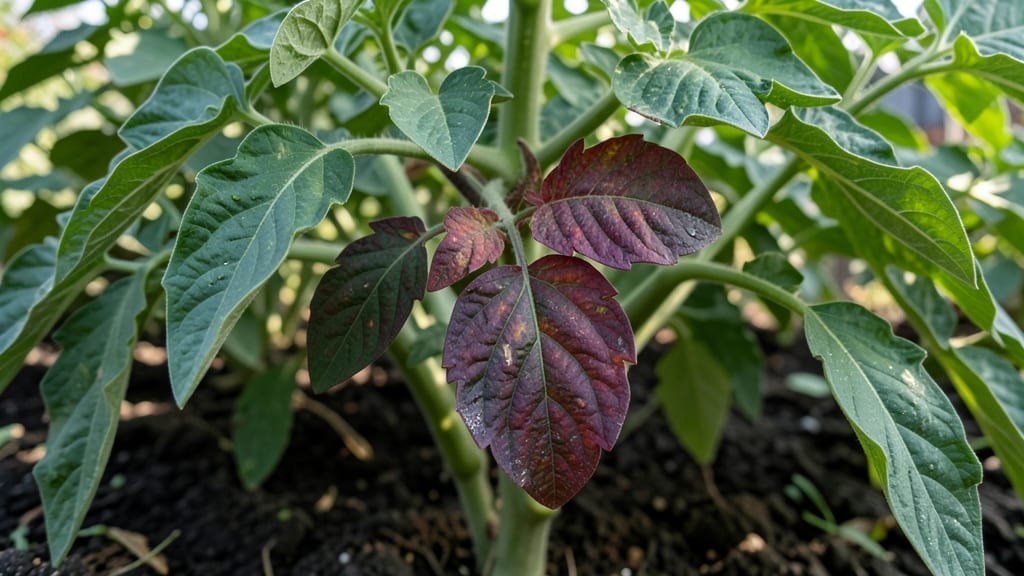
Healthy tomato plants start with understanding their leaves. These 10 distinct types of tomato plant leaves help gardeners diagnose issues early, choose the right varieties, and maximize yields—whether you're battling pests or selecting heirlooms.
Smooth Green Tomato Leaves
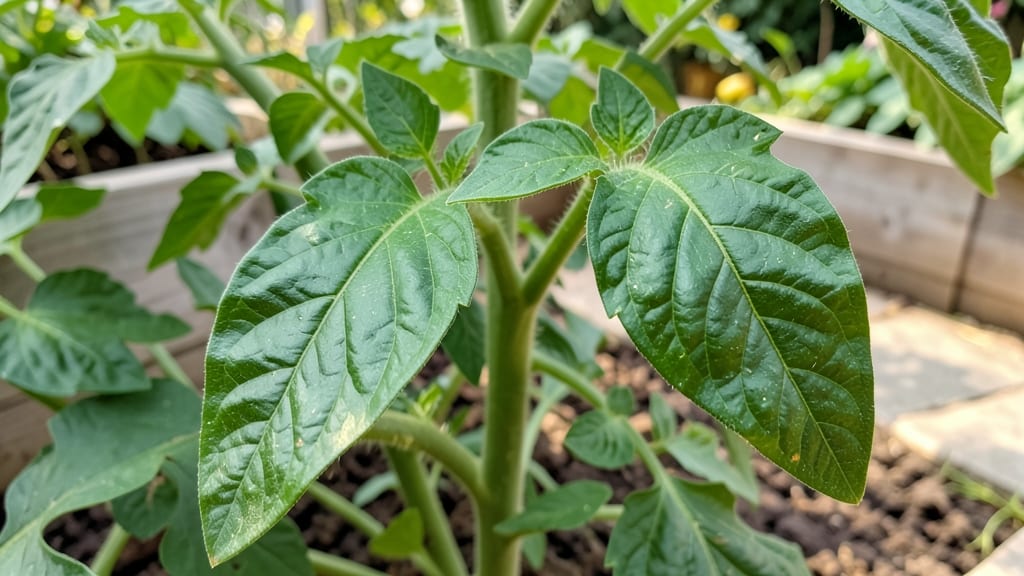
When your tomato plants boast smooth, deep green leaves, you’ve got the gold standard of plant health—especially in varieties like 'Celebrity' or 'Roma'. These glossy, unblemished leaves signal disease resistance and strong growth, making them the dream for beginners who want foolproof results.
Look for leaves with smooth edges and vibrant veins, free of spots, curls, or yellowing. This texture isn’t just pretty—it’s a sign of efficient photosynthesis, meaning your plants are converting sunlight into energy for bigger, tastier tomatoes. Prune only to remove damaged growth, and you’ll keep these leaves thriving all season.
Perfect for small-space gardeners or first-timers, these varieties reward low effort with high yields. Aim for 6 hours of sun and consistent moisture, and you’ll enjoy a bountiful harvest without the stress. 🌱
Hairy Tomato Plant Leaves
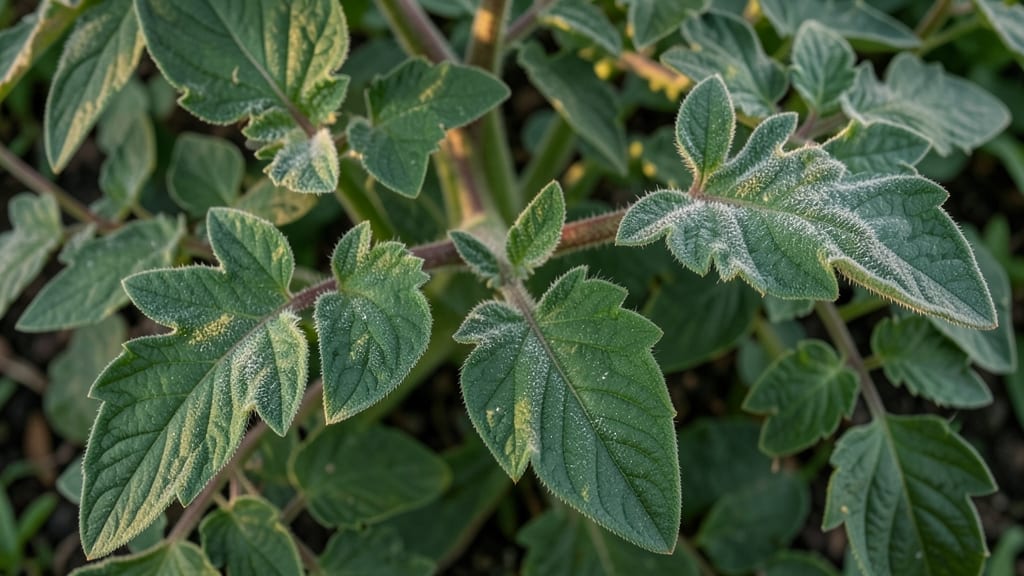
If you're growing heirloom tomatoes like 'Brandywine' or 'Cherokee Purple', you've likely noticed their uniquely fuzzy leaves. This hairy foliage isn't just a quirky trait—it's nature's built-in pest repellent, creating a physical barrier that deters aphids, spider mites, and even some beetles.
The fine hairs disrupt pests' movement and make it harder for them to feed or lay eggs, reducing the need for chemical sprays. For organic gardeners, these varieties offer a low-maintenance way to keep pests at bay while maintaining soil health. Simply choose hairy-leaved heirlooms when selecting seeds, and enjoy the bonus of fewer pest problems throughout the growing season.
This natural defense system makes hairy tomato varieties especially appealing for those who prefer chemical-free gardening methods. 🌱
Yellowing Tomato Leaves
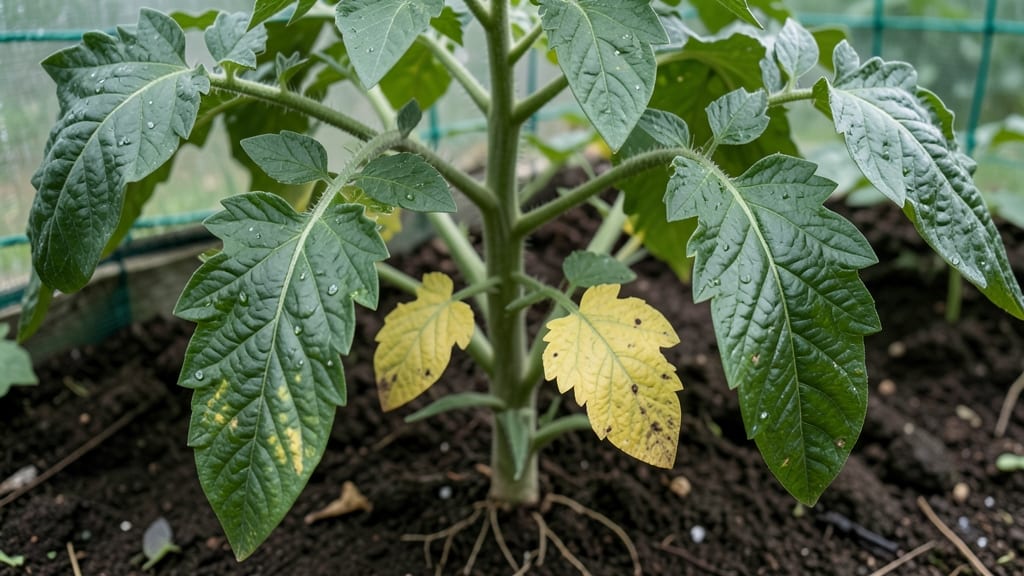
When your 'Early Girl' tomato plant starts showing yellowing leaves, don’t panic—this is your plant’s way of signaling trouble before it’s too late. Yellowing often begins on older leaves first, a classic sign of nitrogen deficiency or early fungal infections like early blight.
To diagnose, check the leaf veins: if they remain green while the rest of the leaf yellows, it’s likely a nutrient issue. Apply a balanced fertilizer (high in nitrogen) and monitor for improvement. If yellowing spreads with brown spots or wilting, fungal disease may be at play—remove affected leaves immediately and apply a copper fungicide to prevent spread. Prune for better air circulation to keep your plants thriving. 🌱
Curled Tomato Plant Leaves
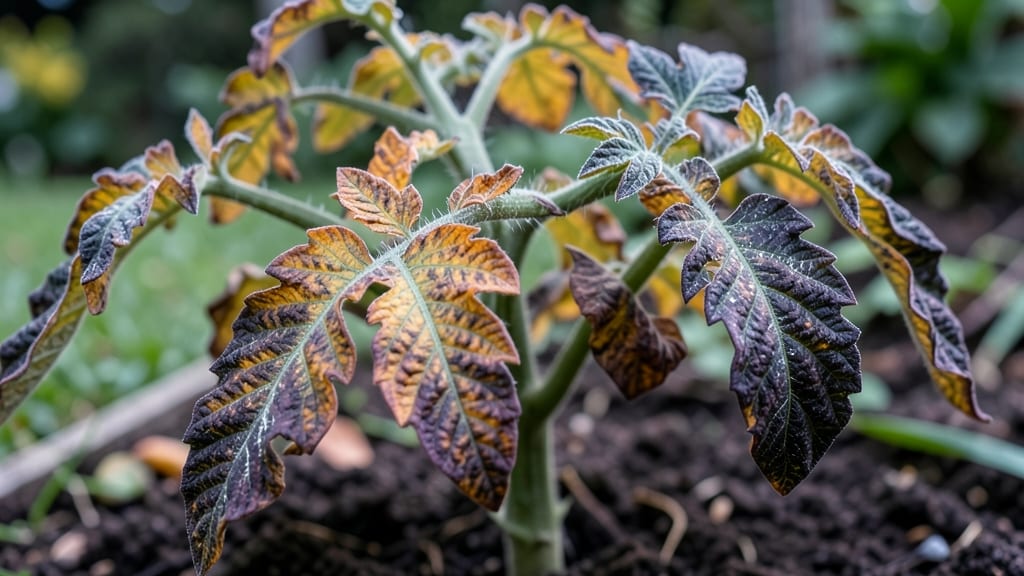
When your Sungold or Cherokee Purple tomato plants develop curled leaves, it’s rarely a coincidence—it’s often a red flag for serious trouble. Unlike simple environmental stress, this symptom screams "investigate now" because it’s commonly linked to viral infections like Tobacco Mosaic Virus or aphid infestations that can cripple your harvest.
Start by checking the undersides of leaves for tiny aphids or sticky residue from their sap. If you spot them, blast them off with water or introduce beneficial insects like ladybugs. For viral infections, unfortunately, there’s no cure—remove infected plants immediately to prevent spread to healthy ones. Prune nearby leaves aggressively to improve airflow, which helps plants fight off secondary infections.
This issue hits heirloom varieties hardest, so if you’re growing prized tomatoes like these, stay vigilant. Early detection means the difference between saving a few fruits and losing your entire plant. 🌱
Spotted Tomato Leaves
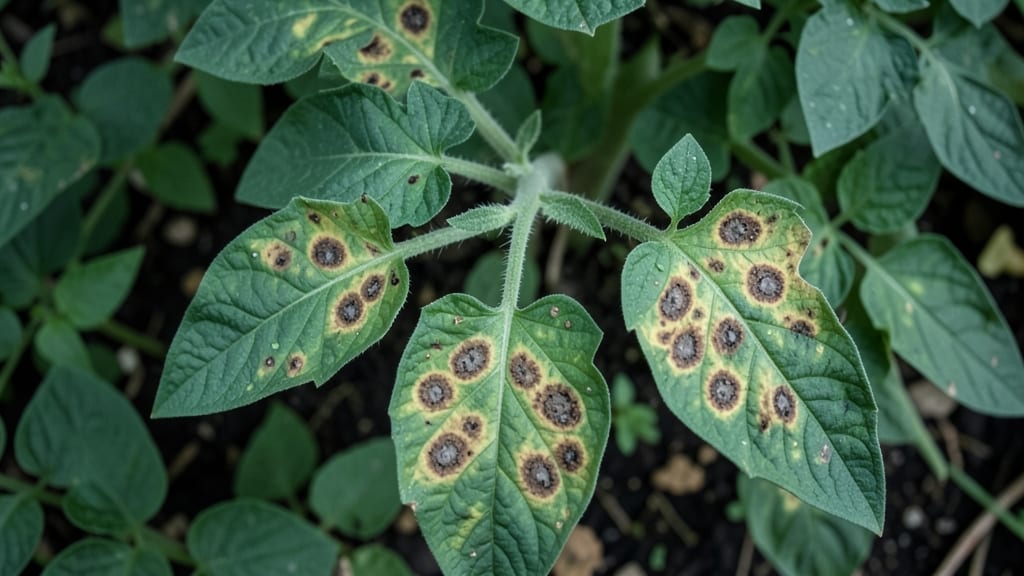
If you notice brown or black spots on your Beefsteak tomato leaves, don’t ignore it—this is early blight, a fungal disease that spreads quickly and can ruin your harvest. These spots often start as small, dark specks that grow into larger, concentric rings, eventually causing leaves to yellow and drop.
Act fast by removing infected leaves immediately and applying a copper fungicide or baking soda spray (1 tbsp baking soda + 1 quart water + a drop of dish soap). Space plants properly for airflow and avoid overhead watering to prevent spores from splashing onto foliage. Resistant varieties like 'Mountain Merit' can help future seasons.
Gardeners growing large-fruited varieties should prioritize this prevention—early blight can reduce yields by up to 50% if unchecked. 🌱
Purple-Tinged Tomato Leaves
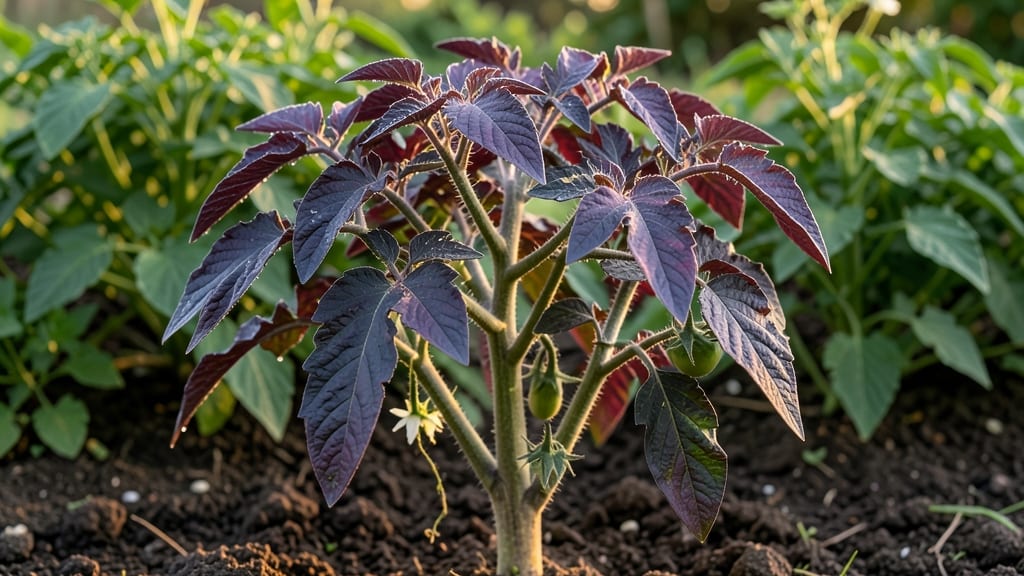
If you’ve ever spotted purple-tinged tomato leaves in your garden, you’re looking at a natural powerhouse—these anthocyanin-rich plants are built to outperform their green-leaved cousins. Varieties like 'Black Krim' and 'Cherokee Purple' develop this stunning hue as a built-in shield against stress, including cooler temperatures and harsh sunlight.
The deep purple pigment isn’t just for show—it acts as a natural sunscreen, protecting the plant from UV damage while boosting cold tolerance. These varieties also tend to have thicker cell walls, making them more drought-resistant than standard green-leaved tomatoes. Ideal for gardeners in Zone 4 or cooler climates, they reward patience with rich, flavorful fruit.
For heirloom enthusiasts or those in short growing seasons, purple-leaved tomatoes are a game-changer. Their resilience means fewer losses to heat stress or early frosts, giving you more time to enjoy a bountiful harvest. 💚
Holey Tomato Plant Leaves
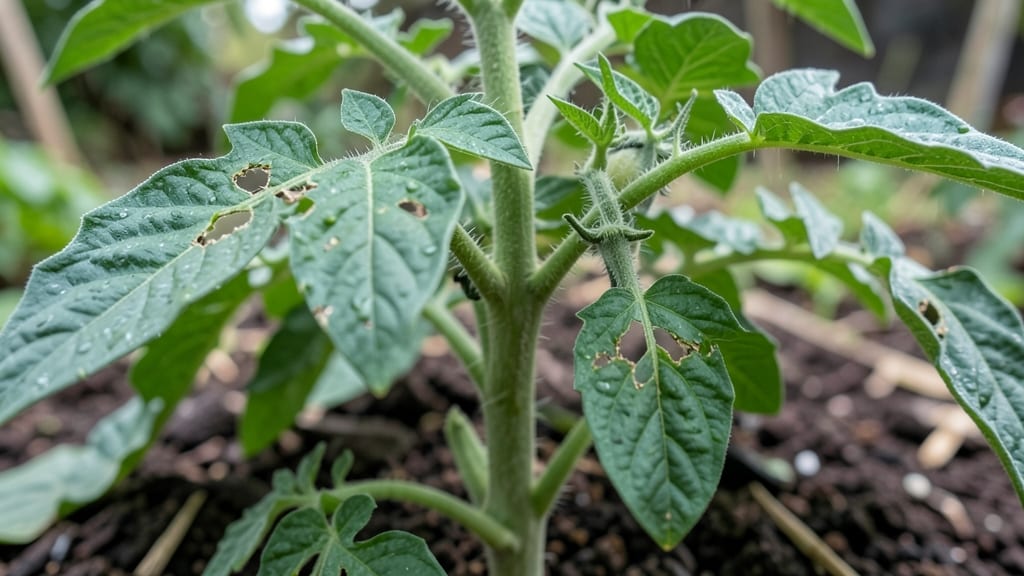
If your Sweet 100 tomato plants suddenly develop random holes in their leaves, don’t panic—it’s likely the work of hungry tomato hornworms. These voracious caterpillars can strip a plant bare in days if left unchecked, turning your future harvest into a sad memory.
Look for jagged edges around the holes and small green droppings (frass) scattered on leaves—classic signs of hornworm activity. The good news? These pests are easy to spot during morning inspections, giving you time to handpick them before they reach the fruit. Focus on the undersides of leaves and the plant’s stems, where they hide.
Gardeners growing indeterminate varieties like Sweet 100 should check plants weekly, especially in late summer when hornworms are most active. Early action means more tomatoes on the vine—and fewer surprises at harvest time. 🌱
Wilted Tomato Plant Leaves
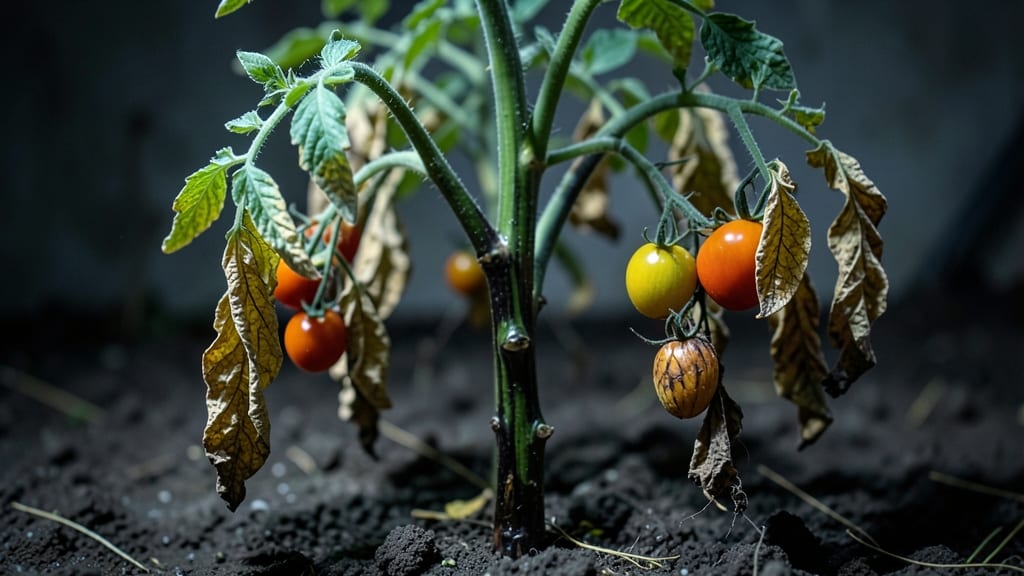
When your 'Sweet 100' or 'Sun Gold' cherry tomato plants suddenly develop wilted leaves that stay droopy even at night, it’s not just wilting—it’s a bacterial wilt emergency. This fast-acting disease clogs the plant’s vascular system, cutting off water and nutrients within days, and can destroy an entire plant before you even notice the first symptoms.
To confirm bacterial wilt, check for yellowing leaves followed by wilting that starts at the bottom of the plant and moves upward. Unlike overwatering, bacterial wilt causes the stems to remain firm even when leaves are limp. If you suspect this disease, remove the infected plant immediately and sterilize your tools with a 10% bleach solution to prevent spread. For overwatering, adjust your watering schedule to allow the top 2-3 inches of soil to dry out between waterings, and ensure your containers have proper drainage.
Cherry tomato varieties are particularly vulnerable because their compact growth can trap moisture and bacteria. If you’re growing in containers or high-density beds, prioritize disease-resistant varieties like 'Mountain Merit' or 'Defiant PhR' to minimize risks. Act fast—this isn’t just wilting, it’s a race against time. 💪
Variegated Tomato Leaves
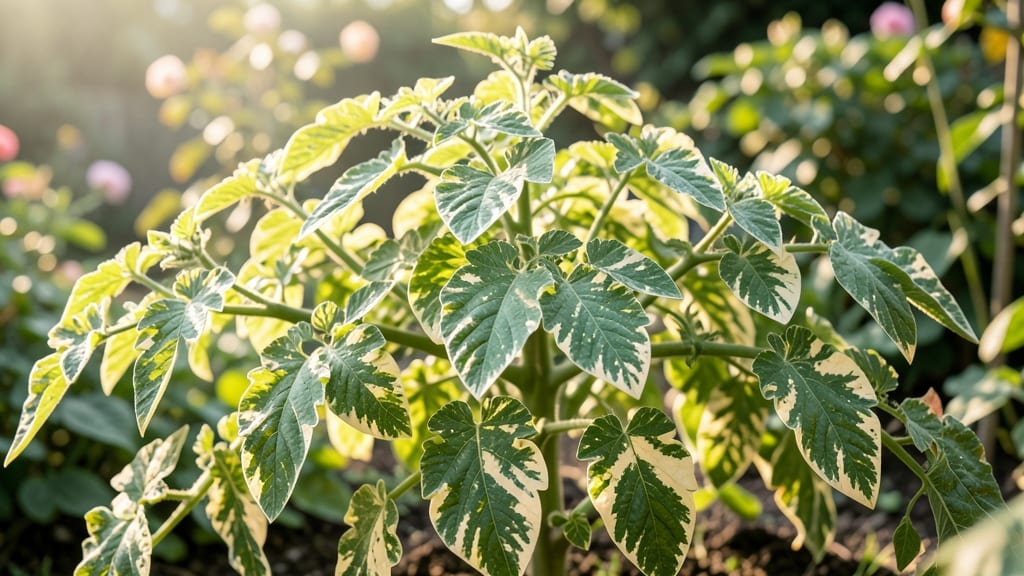
Turn your tomato patch into a living art gallery with variegated tomato leaves, a stunning genetic quirk found in varieties like 'Variegated Indeterminate'. These leaves feature striking creamy-white and green patterns that catch sunlight like stained glass, making them a showstopper in cottage gardens or container displays.
While the foliage steals the show, expect smaller yields compared to traditional varieties—the trade-off for their ornamental appeal. These plants thrive in full sun to partial shade and benefit from consistent moisture to support their delicate leaf structure. Gardeners who prioritize visual impact over bushels of fruit will love how these plants add texture and color to borders or trellises.
Perfect for those who grow tomatoes as much for their leaves as their fruit, variegated varieties bring a whimsical touch to any garden. 🌟
Reddish Tomato Plant Leaves

When your San Marzano tomato plant's leaves turn an unnatural reddish hue, it's not just a color change—it's a cry for help. This rare but critical sign often points to a phosphorus deficiency or environmental stress, which can directly impact your plant's ability to produce high-quality fruit.
To address this, test your soil's phosphorus levels and apply a balanced fertilizer (like 5-10-10) or bone meal to replenish nutrients. Avoid overwatering, as soggy soil worsens nutrient uptake. Reddish leaves in heirloom varieties like 'San Marzano' are especially concerning because phosphorus plays a key role in energy transfer and fruit development.
Acting quickly can prevent stunted growth and poor fruit quality, ensuring your plants stay productive through the season. 💚