
Vegetables
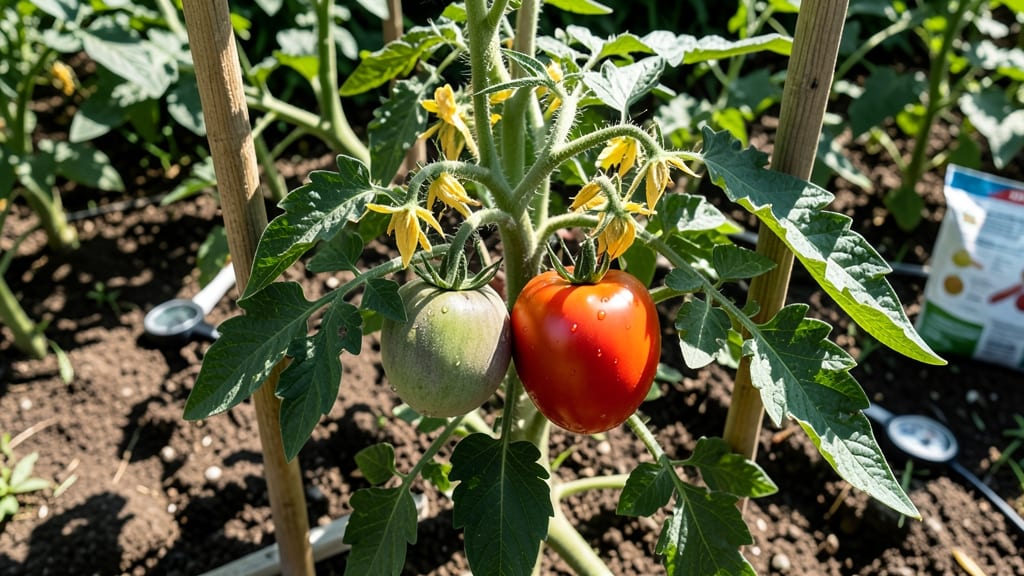
What causes tough tomato skins?—here’s why yours turn leathery and how to fix it. 🌱 I’ve battled this problem for years, and the culprits are almost always water stress or uneven ripening. The good news? Once you spot the pattern, you can adjust irrigation and harvest timing to bring back that perfect, tender texture.
Most cases come down to inconsistent watering—too much one day, not enough the next—making skins thicken as a survival tactic. Heat waves or calcium overload in the soil can also trigger that tough, rubbery texture.
Even overripe tomatoes left hanging too long develop a leathery skin as they dry out on the vine.
Start by watering deeply once a week (or more in extreme heat) instead of light daily sprinkles, and mulch to keep moisture steady. If your soil’s calcium-heavy, try a balanced fertilizer.
For future harvests, pick tomatoes when they’re fully colored but still slightly firm—that’s the sweet spot for tender skins.
This fix works for container gardens, raised beds, or in-ground plots. The key is consistency—soil moisture, sunlight, and harvest timing. Once you nail it, you’ll be back to slicing tomatoes that practically melt in your mouth.
The Science Behind Tough Tomato Skins
If you’ve ever bitten into a tomato only to be met with an unpleasantly tough, leathery skin, you’re not alone. This frustrating texture isn’t just a random quirk of nature—it’s the result of specific biological and environmental factors at play.
Understanding why tomato skins toughen helps you grow, store, and select tomatoes that stay juicy and tender. Let’s break down the key culprits, from genetics to growing conditions.
Not all tomatoes are created equal when it comes to skin toughness. Some varieties are naturally bred or selected for thicker, more durable skins—traits that help them resist cracking, disease, or rough handling during transport. For example:
- Heirloom vs. Hybrid: Heirloom tomatoes often have thinner, more delicate skins because they’re grown for flavor and texture, not shelf life. Hybrids like Beefsteak or Roma may develop tougher skins as a trade-off for disease resistance or structural integrity.
- Indeterminate Growth: Tomatoes that grow vine-like (indeterminate) often produce thinner skins because their energy focuses on fruit development rather than protective layers. Determinate bushes, which ripen all at once, may allocate more resources to skin thickness for protection.
- Breeding for Shelf Life: Commercial tomatoes are sometimes bred to withstand long shipping times, leading to thicker, tougher skins that sacrifice tenderness.
Actionable Tip: If you prefer tender-skinned tomatoes, opt for heirloom varieties like Brandywine or Cherokee Purple, or grow indeterminate types in optimal conditions to encourage natural softness.
Water is the lifeblood of tomato plants, and fluctuations in moisture levels directly impact skin texture. Here’s how water stress plays a role:
- Inconsistent Watering: Tomatoes need 1–1.5 inches of water per week, delivered consistently at the soil level (not the leaves). Drought stress triggers the plant to produce lignin and suberin—natural compounds that harden cell walls, making skins tougher. This is your plant’s way of conserving moisture.
- Overwatering or Poor Drainage: While underwatering is more common, soggy roots (from overwatering or compacted soil) can also stress the plant. This leads to uneven ripening and uneven skin development, with some areas becoming leathery.
- End-of-Season Drought: Tomatoes that ripen late in the season (especially in dry climates) may develop tough skins if the plant isn’t getting enough water during fruit development.
Pro Tip: Use drip irrigation or soaker hoses to deliver water directly to the roots, and mulch with straw or wood chips to retain moisture. Avoid wetting leaves to prevent fungal diseases that can further stress the plant.
Tomatoes love sunlight, but too much heat during ripening can backfire by causing tough skins. Here’s why:
- Extreme Heat (>90°F/32°C): When temperatures soar, the plant’s energy shifts toward survival mode, slowing down sugar production and softening enzymes. This leads to underripe, firm, or leathery skins even if the tomato is red.
- Sun Scald: Intense afternoon sun can cause uneven ripening, where exposed sides toughen while shaded sides remain soft. This is common in greenhouses or high-desert climates.
- Day-Night Temperature Swings: Large fluctuations (e.g., hot days and cool nights) disrupt ethylene production, the hormone responsible for softening fruit. This can result in uneven texture, with skins staying tough longer.
Grower Hack: Provide afternoon shade (using shade cloth) in extreme heat, or grow tomatoes in partial shade during peak summer. Choose heat-tolerant varieties like Solar Fire or Heatmaster for better resilience.
Harvesting tomatoes at the wrong stage is one of the most common causes of tough skins. Here’s how timing affects texture:
| Stage | Skin Texture | Why It Happens |
|---|---|---|
| Unripe (Green) | Thin but firm | Cell walls are tight and high in pectin, a structural compound that hardens as the fruit matures. |
| Breaker (First Pink) | Starting to soften | Ethylene begins breaking down pectin, but skins may still feel slightly tough if harvested too early. |
| Turning (Mostly Red) | Ideal tenderness | Pectin softens, sugars peak, and skins reach their perfect balance of firmness and flexibility. |
| Overripe (Soft, Mealy) | Leathery or burst-prone | Excess ethylene breaks down cell walls unevenly, causing skins to toughen while the interior becomes mushy. |
Key Takeaway: Harvest tomatoes when they’re fully colored but still firm to the touch. A gentle squeeze should yield slightly, but the skin shouldn’t dent easily. For heirlooms, wait until the tomato separates easily from the vine.
Even the perfect tomato can develop tough skins if stored improperly. Common storage blunders include:
- Refrigeration Too Soon: Tomatoes produce ethylene gas to ripen, and cold temperatures (<40°F/4°C) slow this process. Storing ripe tomatoes in the fridge stops ethylene production, causing skins to toughen and flesh to turn mealy.
- Ethylene Starvation: Keeping tomatoes in sealed containers or away from other fruits (like apples or bananas) deprives them of the gas they need to soften skins.
- Moisture Loss: Letting tomatoes dry out on the counter (especially in low-humidity environments) causes skins to shrink and toughen as they lose water.
Storage Solutions:
- Store tomatoes at room temperature (55–75°F/13–24°C) until fully ripe.
- Place them near a banana or apple to boost ethylene production.
- Use a paper towel-lined container to absorb excess moisture without drying them out.
Fixing Tough Tomato Skins for Juicier Harvests
Now that you know the root causes of tough tomato skins—from overripe harvesting to water stress—let’s tackle the fixes! Whether you’re a home gardener or a market vendor, these solutions will help you grow (or select) tomatoes with the perfect balance of flavor and tenderness.
Problem: Waiting too long to harvest leads to leathery skins and mealy flesh. Fix: Time your harvest like a pro!
- 🍅 Harvest at the Right Stage - Heirloom & Beefsteak Tomatoes: Pick when the color deepens fully (usually 70–85 days after transplanting).
A gentle squeeze should yield slightly, but the tomato shouldn’t feel mushy. - Cherry & Grape Tomatoes: Harvest when they’re uniformly colored and firm but just starting to soften. Overripe clusters turn tough and seedy. - 💡 Pro Tip: Use the "thumb test"—press lightly near the stem.
If the skin gives way slightly, it’s ready. If it’s rock-hard or squishy, wait or act fast!
- 🕒 Schedule Regular Checks
- Inspect your plants every 2–3 days during peak season. Tough skins develop within 24–48 hours of overripeness.
- ⏰ Morning Harvests: Pick tomatoes in the cool morning hours to preserve firmness and slow down ripening enzymes.
- 🍅 What to Do with Overripe Tomatoes?
- Sauces & Salsas: Blend or chop them into cooking—heat softens the texture.
- Freeze for Later: Core and freeze in bags for smoothies or soups.
- 🔥 Quick Fix for Tough Skins: Soak overripe tomatoes in ice water for 10–15 minutes before slicing to tighten the skin slightly.
Problem: Too much or too little water causes thick, rubbery skins. Fix: Master the watering game for plump, tender tomatoes.
- 🌧️ Deep & Consistent Watering - How Much? Aim for 1–1.5 inches of water per week, including rainfall.
Use a moisture meter or stick your finger 2 inches into the soil—it should feel damp, not soggy or dry. - 💡 Pro Tip: Water early in the morning (before 10 AM) to reduce evaporation and fungal risks. Avoid wetting leaves to prevent blight.
- 🚰 Fix Drought Stress
- If your tomatoes look wilted or skins feel leathery, give them a deep soak (1–2 inches of water) and mulch immediately to retain moisture.
- 🌡️ Heatwave Hack: During extreme heat, water twice daily (morning + evening) and use shade cloth to protect plants.
- 🌊 Prevent Overwatering
- Yellowing leaves + cracked skins? You’re overdoing it. Let the top inch of soil dry out between waterings.
- 🔥 Drainage Check: Ensure pots or garden beds have holes and well-draining soil (mix in perlite or compost).
Problem: Intense sunlight can toughen skins and cause sunscald. Fix: Protect your tomatoes without sacrificing growth.
- 🌿 Provide Light Shade
- Use floating row covers or lightweight shade cloth (30–50%) during peak afternoon sun (12 PM–4 PM).
- 💡 Pro Tip: Train vines to grow upward (with cages or trellises) to reduce direct sun exposure on lower fruits.
- 🍅 Mulch for Moisture & Protection
- Apply 2–3 inches of straw or wood chips around the base to keep roots cool and reduce evaporation.
- Bonus: Mulch deters weeds and prevents soil-borne diseases.
Even with perfect growing conditions, some tomatoes develop tough skins. Here’s how to work with them:
- 🍲 Cook Them Down - Sauces & Stews: Simmer tough-skinned tomatoes with onions, garlic, and herbs. The skins will soften, and the flavors meld beautifully. - 🔥 Roast for Intensity: Halve tomatoes, drizzle with olive oil, and roast at 400°F (200°C) for 20–25 minutes.
The skins caramelize, adding depth.
- 🥗 Blend into Smoothies
- Peel (if needed), core, and blend with yogurt, cucumber, or avocado for a creamy texture.
- 🍅 Ferment or Pickle
- Tough skins hold up well in fermented salsas or pickled slices. The acidity breaks down the texture over time.
Want to avoid tough skins altogether?
Follow this grower’s cheat sheet: ✅ Choose the Right Variety: Some tomatoes (like ‘Celebrity’ or ‘Early Girl’) are bred for consistent texture. ✅ Plant in Full Sun (6–8 hours/day): But protect from midday scorching. ✅ Fertilize Smartly: Use a balanced fertilizer (10-10-10) at planting, then switch to low-nitrogen (5-10-10) when fruits set to avoid bitter, tough skins. ✅ Prune for Airflow: Remove suckers and lower leaves to reduce humidity and disease risk. ✅ Harvest Religiously: Never let tomatoes linger on the vine past their prime!
💡 Final Thought: Tough tomato skins don’t mean your harvest is ruined—they just need a little extra love (or a pot of marinara!). With these fixes, you’ll be slicing into juicy, flavorful tomatoes in no time. Happy gardening! 🍅✨
Frequently asked questions
Why do heirloom tomatoes have tougher skins than hybrids?
Heirloom tomatoes often develop tougher skins because they’re bred for flavor and texture rather than durability. Their thinner skins make them more prone to cracking or bruising, while hybrids like Roma or Beefsteak prioritize disease resistance and structural integrity. The trade-off? Hybrids may sacrifice some tenderness for longevity.
Can calcium in my soil cause tough tomato skins?
Yes! Too much calcium (like from limestone-rich soil or over-fertilizing with calcium supplements) can trigger bitter, tough skins. The plant allocates calcium to protective layers instead of softening fruit. Test your soil and use a balanced fertilizer (10-10-10) instead of calcium-heavy amendments like crushed eggshells or oyster shell.
How do I fix tomatoes that are already tough-skinned?
Try these quick fixes: Soak in ice water for 10–15 minutes to tighten skins slightly, or use them in sauces, soups, or roasted dishes where heat breaks down the texture. For pickling, the acidity helps soften skins over time—perfect for fermented salsas or brined slices!
Is it better to harvest tomatoes in the morning or afternoon?
Morning is ideal! Harvesting between 6–9 AM keeps skins firmer and slows ripening enzymes. Afternoon heat speeds up softening, making skins more prone to toughness. Plus, cooler temps reduce stress on the plant, helping future tomatoes develop better texture.
Why do my container-grown tomatoes have tougher skins?
Containers dry out faster, causing water stress that triggers tough skins. Use self-watering pots or check soil moisture daily—top 1 inch should stay damp. Mulch with straw and avoid small pots (<15 gallons), as root competition worsens moisture fluctuations.