
Plants
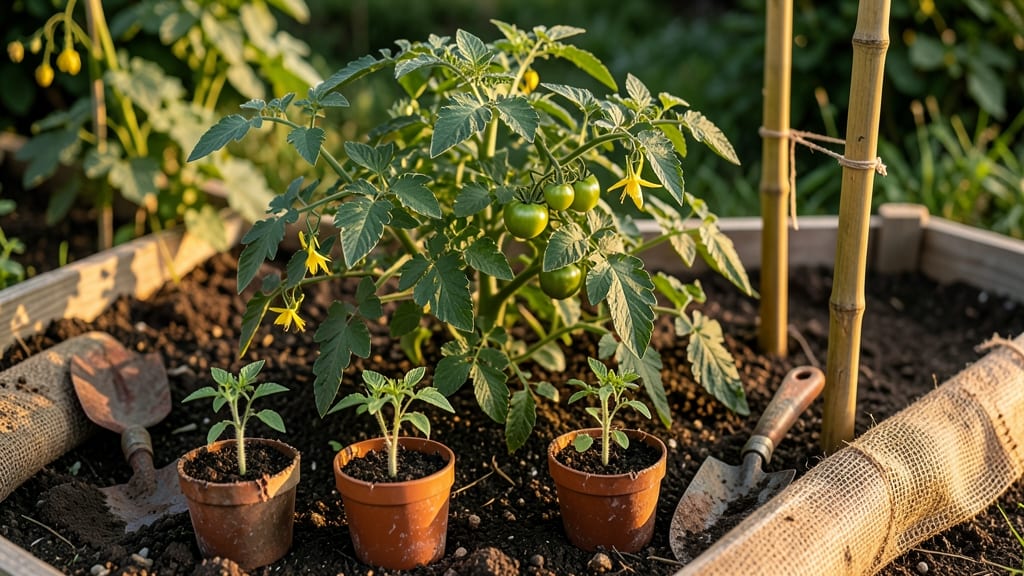
Tomato plants can be planted outside only after your last frost date and when soil temperatures hit 60°F—any earlier risks frost damage or stunted growth.
Timing your tomato plants' outdoor move wrong can mean stunted growth, frost damage, or even total crop failure—but getting it right guarantees juicy, vine-ripened 🍅 tomatoes all season long.
Most gardeners wait until late April or May in USDA Zone 6a, but your exact window depends on local frost patterns and soil warmth. Skipping this step can leave your seedlings vulnerable, even if the calendar says spring has arrived.
Below, I’ll break down how to pinpoint your frost-free date, adjust for early/late varieties, and prep your garden bed for maximum success—so you can enjoy that first ripe tomato in July.
How to calculate your local last-freeze date for safe tomato planting
Planting tomatoes too early can turn your hard work into a sad, frost-nipped memory. The key to success? Knowing your local last-freeze date—the average final frost of spring—so you can time transplants perfectly.
Without this, even healthy seedlings can suffer cold damage or stunted growth. Let's break down how to find this critical date using USDA zone maps, historical data, and local resources.
Start by checking your USDA hardiness zone (Zone 5-10 for tomatoes). While zones give a general idea, they don’t account for microclimates—like urban heat islands or valley frost pockets.
For example, a Zone 7 garden in Phoenix might have a last-freeze date in March, while one in Seattle could see frost into May.
Next, consult your local cooperative extension service (find yours via extension.org). They provide 30-year frost averages and can adjust for recent climate shifts. Many also offer frost-free calculators that factor in elevation and nearby water bodies.
Don’t skip this step—even a 10-day difference can mean the difference between thriving plants and lost crops.
For a quick estimate, use the National Oceanic and Atmospheric Administration (NOAA) website. Their climate data tool lets you input your ZIP code to see historical frost dates. Look for the average last spring frost—not the earliest or latest dates, which can be misleading.
Pro tip: Bookmark this data or save it to your phone for easy reference during planting season.
Now, let’s add a layer of precision with local weather records. Check your city’s weather station logs (available on platforms like Weather Underground or your local airport’s climate reports). Pay attention to nighttime lows—tomatoes need consistent temperatures above 50°F to thrive.
If your area has late-spring frosts (common in mountainous regions), add an extra 2-3 weeks of buffer to your planting timeline.
Here’s where many gardeners go wrong: relying solely on calendar dates instead of actual conditions. For instance, a Zone 8 garden might have its last frost in March, but if April brings unseasonably cold snaps, wait until mid-April to plant heat-loving tomatoes.
Always cross-reference your frost date with soil temperature—tomatoes need 60°F soil to germinate or transplant successfully.
For extra safety, use the 10-year average of last-freeze dates rather than a single year’s data. Climate change is shifting frost patterns—some areas now experience earlier last frosts by 1-2 weeks compared to decades past.
If you’re new to your region, ask longtime gardeners or check community garden forums for firsthand accounts of recent frost trends.
Once you’ve nailed down your local last-freeze date, subtract 3-6 weeks to determine your ideal transplant window. This accounts for seedlings needing time to harden off and establish roots.
Early varieties (like ‘Early Girl’) can handle cooler soils, while heat-lovers (like ‘Brandywine’) need warmer conditions. Adjust based on your specific tomato varieties.
Remember: Frost-free ≠ frost-proof. Even after the last frost, light frosts (below 32°F) can still damage young plants. Use row covers or cold frames for the first 2 weeks post-transplant if nighttime temps dip below 55°F.
This buffer gives your tomatoes the best chance to root deeply and bolt upward before summer heat arrives.
Don’t let overconfidence or last-minute rushes ruin your tomato season. Mark your last-freeze date on your calendar and set a reminder to start hardening off seedlings
Getting your tomato plants outside at the right time means the difference between a bountiful harvest and wasted effort. Most gardeners aim to plant 3-6 weeks before their last frost date, but the exact timing depends on your USDA zone and tomato variety. Early varieties can handle cooler soil, while late-season tomatoes need warmer conditions to thrive. For example, in Zone 5, where frost lingers until mid-May, I plant heat-loving varieties like Celebrity tomatoes no earlier than 4 weeks before the last frost. Meanwhile, in Zone 10, where frost is rare, I might plant as early as February for a winter harvest. The key is balancing soil temperature (aim for 60°F+) with air temperature stability. Soil warming techniques like black plastic mulch or row covers can extend your planting window by 2-3 weeks in cooler zones. These methods help speed up germination and protect young plants from light frosts (28°F or higher). I’ve used black plastic in Zone 4 to plant tomatoes 3 weeks early without risking frost damage. If you’re growing early-maturing varieties like Stupice or Sub-Arctic, you can push the envelope and plant 6 weeks before your last frost. These cold-hardy tomatoes tolerate 45°F soil and 32°F air temps briefly, making them ideal for Zone 3-4 gardeners. I’ve had success with them in May when nighttime temps dip below freezing. For late-season varieties like Brandywine or Cherokee Purple, wait until 2-3 weeks before your last frost. These heat-loving tomatoes need 70°F+ soil to set fruit properly. In Zone 7, that means planting in late April rather than early April. Use a soil thermometer to confirm—60°F is the minimum for most varieties. Pro tip: Harden off your seedlings for 7-10 days before transplanting, even if you’re planting early. Gradually expose them to outdoor conditions (wind, sun, temperature swings) to reduce shock. I start by leaving them outside for 2 hours/day and increase by 2 hours until they’re out 24/7. This extra step pays off with stronger plants and faster recovery after transplanting.Tomato planting timing by USDA Zone: exact weeks before last frost
USDA Zone
Last Frost Date
Planting Window (Before Last Frost)
Soil Temp Goal
Warming Tip
3-4
Late May
4-6 weeks before
60°F+
Use row covers or black plastic
5-6
Mid-May
3-5 weeks before
55°F+ (early varieties)
Start with cold frames
7-8
Early April
2-4 weeks before
50°F+ (with protection)
Plant in raised beds for warmth
9-10
None (year-round)
Year-round (seasonal varieties)
65°F+ (optimal)
Succession plant every 2 weeks