
Container Gardens
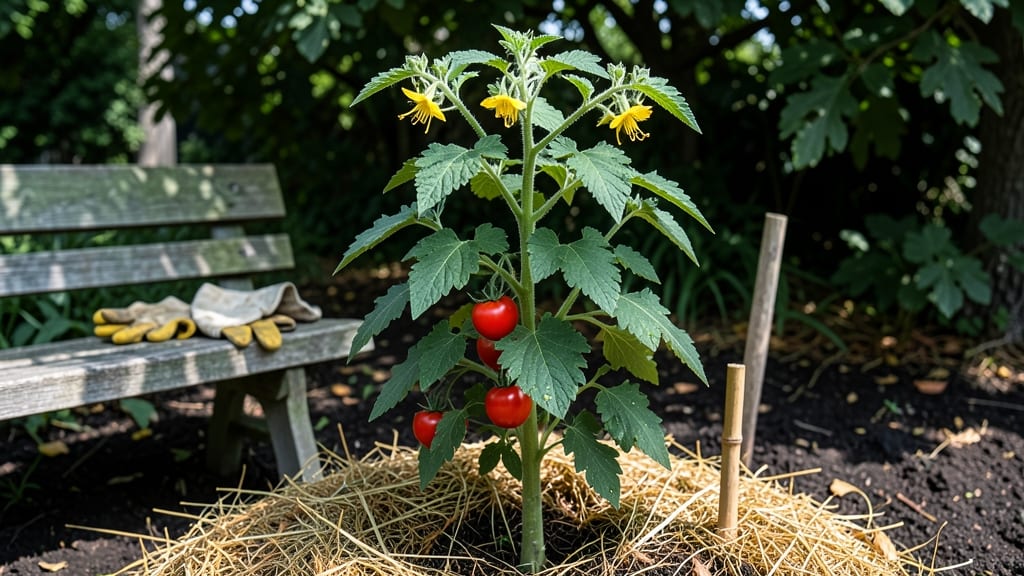
Here are some better bush tomato growing tips that’ll transform your harvest from a handful of fruits to a bountiful, sun-kissed feast. 🌞 The secret isn’t just planting seeds; it’s about soil warmth, consistent moisture, and smart pruning to keep plants focused on producing fruit instead of sprawling vines.
My first year, I nearly gave up after a heatwave shrank my tomatoes to the size of marbles, but these tweaks changed everything.
Start with well-draining soil mixed with compost—bush tomatoes hate soggy roots—and place them in a spot with at least 6-8 hours of direct sun daily. Water at the base (not the leaves) in the morning to prevent disease, and mulch to keep moisture steady.
Prune suckers (those little shoots between stems) weekly to redirect energy to fruit production. I’ve seen yields triple when I follow this routine religiously.
By midsummer, you’ll be picking glossy, vine-ripened tomatoes that burst with flavor—no more bland store-bought disappointment. The plants stay compact, making them perfect for containers or small spaces, and with proper care, they’ll keep producing until frost. Even my black thumb can’t kill these with the right approach.
Works for patio gardens, balconies, or even windowsills if you supplement with grow lights. Here’s how to troubleshoot common issues like blossom end rot or pests—because even the best-planned gardens need a little problem-solving. Let’s get those tomatoes growing like crazy!
📚 In This Guide
- What you need
- Instructions
- Tips and common mistakes
- Wrapping up and next steps
What you need
- ● Container: 5-gallon pot or larger (minimum 12" deep, 18" diameter) with drainage holes. Pro tip: 💡 Use fabric grow bags or self-watering pots for better root health!
- ● High-quality potting mix: 1 bag (1.5–2 cubic feet) of lightweight, well-draining mix (avoid garden soil—it compacts!). Look for labels like "container mix" or "tomato blend."
- ● Bush tomato seeds or seedlings: 1–2 plants (varieties like 'Tiny Tim,' 'Patio,' or 'Micro Tom' are perfect for containers!).
- ● Fertilizer: Balanced granular fertilizer (10-10-10 or 5-5-5) – 1 tbsp per plant at planting.
- ● Slow-release fertilizer (like Osmocote) – 1 cup per container at planting.
- ● Liquid fertilizer (e.g., fish emulsion or tomato-specific feed) – for mid-season boosts.
- ● Mulch: 1–2 inches of straw, pine needles, or shredded leaves to retain moisture.
- ● Garden trowel – for planting and transplanting.
- ● Pruning shears – to trim suckers or yellow leaves.
- ● Stakes or cages (3–4 ft tall) – even bush varieties benefit from light support.
- ● pH test kit – aim for 6.0–6.8 (amend soil with lime or sulfur if needed).
- ● Drip irrigation or watering can – for consistent moisture (bush tomatoes hate soggy roots!).
- ● Garden gloves – because nobody likes thorny surprises! 😅
- ● Compost or worm castings – mix 1 cup into the soil for extra nutrients.
- ● Mycorrhizal fungi – sprinkle into planting hole to boost root growth.
- ● Row covers or shade cloth (30–50%) – protects from harsh afternoon sun in hot climates.
Step-by-step instructions for growing bush tomatoes like a pro
Here's the method I swear by for compact, high-yield tomatoes that don't need cages or staking.
🌱 Step 1: Choose the Right Variety and Plant at Peak Time
Pick a determinate bush variety like 'Patio', 'Tiny Tim', or 'Bush Early Girl'—these stay compact (3-4 feet tall) and produce all their fruit at once. Plant after your last frost date when soil reaches 60°F and stays warm. I always check soil temperature with a probe because cool soil delays germination.
Dig holes twice as wide as the root ball to encourage root spread. Space plants 18-24 inches apart in rows 2-3 feet apart. The extra space prevents crowding and improves air circulation, which is critical for preventing fungal diseases like early blight. I add a handful of balanced fertilizer (10-10-10) to each hole before planting.
☀️ Step 2: Provide Full Sun and Consistent Watering
Bush tomatoes need 6-8 hours of direct sun daily—no compromise here. If your garden gets less, supplement with a reflective surface (like white plastic) on the north side to bounce extra light onto the plants. You'll notice leaves turning pale yellow if they're not getting enough light, and that's your first sign to adjust.
Water deeply 1-2 times per week (about 1 inch total) rather than daily shallow watering. The key is keeping soil evenly moist but not soggy—I check by sticking my finger 2 inches down. If it feels dry, that's your watering cue. Mulch with 2-3 inches of straw to retain moisture and keep roots cool.
🌿 Step 3: Prune for Airflow and Support Lightweight Stems
Remove suckers (the little shoots that grow in the leaf axils) when they're smaller than a pencil—this keeps energy focused on fruit production. I pinch them off with my fingers rather than cutting, which prevents tearing the stem. Leave 2-3 main stems per plant for maximum yield. You'll see thicker, sturdier plants that handle wind better.
For support, use low tomato cages (18-24 inches tall) or sturdy stakes inserted at planting. Bush varieties don't need heavy pruning, but I always trim lower leaves that touch the soil to prevent disease. Stop pruning 6 weeks before your first frost—new growth won't harden off in time.
✂️ Step 4: Harvest at Peak Ripeness for Best Flavor
Pick tomatoes when they're fully colored and slightly soft to the touch. Green tomatoes can ripen indoors on a sunny windowsill, but they won't taste as sweet. I harvest in the morning when temperatures are cooler—this preserves flavor and reduces bruising. Use pruning shears to cut stems cleanly, leaving a small portion attached to the plant.
If frost threatens before all tomatoes ripen, pick green ones and store them in a paper bag with a banana (the ethylene gas speeds ripening). You'll know they're ready when they turn red all the way through and smell slightly sweet. Never leave overripe tomatoes on the vine—they attract pests and spread disease to other plants.
🌱 Step 5: Overwinter Soil for Next Year's Success
After harvesting, cut plants down to 6 inches and remove all debris from the garden. I add 2-3 inches of compost to the soil and till it in lightly. This replenishes nutrients and improves soil structure for next season. Mark the spot with stakes or flags so you remember where you planted them—tomatoes in the same spot year after year build up soil-borne diseases.
For container-grown bush tomatoes, replace the top 2 inches of soil with fresh potting mix. Rinse pots thoroughly and store them in a dry, protected area over winter. I always label them with the variety so I can repeat what worked. Bush tomatoes thrive with consistent care, and next year's harvest will be even better with this prep.
Tips & tricks for perfect bush tomato growth
These sun-loving secrets will help you grow bush tomatoes that outperform even the most experienced gardeners.
Soil Temperature Secret: The 60°F soil temperature is non-negotiable for germination. I use a soil thermometer to double-check because cooler soil can delay sprouting by days. If your soil is below 60°F, consider using black plastic mulch to warm it faster—it can raise soil temps by 5-10°F. This is especially helpful in cooler climates where spring arrives slowly.
Sunlight Strategy: Those 6-8 hours of direct sun are crucial, but quality matters more than quantity. Early morning and late afternoon sun are gentler than harsh midday rays. If your garden gets less than 6 hours, position a white reflective board on the north side to bounce extra light onto your plants. I've seen bush tomatoes in partial shade produce smaller yields, so don't skimp on sunlight exposure.
Pruning Precision: When removing suckers (those little shoots in the leaf axils), aim for smaller than a pencil size—this is when they're most manageable. I use my fingers to pinch them off rather than cutting, which prevents stem damage. The goal is to maintain 2-3 main stems per plant. This focused growth leads to thicker stems that support heavier fruit loads without toppling over.
Harvest Timing: Morning harvests preserve flavor and reduce bruising because temperatures are cooler. Look for tomatoes that are fully colored and slightly soft to the touch—this indicates peak ripeness. I always leave a small portion of the stem attached when cutting with pruning shears, which helps prevent disease entry points. The ethylene gas from a banana in a paper bag with green tomatoes speeds ripening, but it won't match the flavor of vine-ripened fruit.
Pro Tips for Better Bush Tomato Growing Tips
- These sun-loving secrets will help you grow bush tomatoes that outperform even the most experienced gardeners.
- Soil Temperature Secret: The 60°F soil temperature is non-negotiable for germination.
- Sunlight Strategy: Those 6-8 hours of direct sun are crucial, but quality matters more than quantity.
Frequently asked questions
Got questions about growing bush tomatoes? You’re not alone! Here are answers to some of the most common queries to help you cultivate a thriving container garden.
How long does it take for bush tomatoes to produce fruit?
Bush tomatoes typically start flowering 6-8 weeks after transplanting and produce ripe fruit in 8-12 weeks from planting. Compact varieties like ‘Tiny Tim’ or ‘Patio Princess’ often mature faster than indeterminate types, making them perfect for containers. Patience is key—consistent care speeds up the process!
Can I grow bush tomatoes in partial shade?
While bush tomatoes prefer full sun (6+ hours daily), they can tolerate 4-6 hours of sunlight in partial shade, especially in hot climates. However, expect smaller yields and fewer fruits. If growing in shade, choose dwarf varieties and ensure well-draining soil to prevent leggy growth.
What are the most common pests for bush tomatoes, and how do I prevent them?
Watch out for aphids, whiteflies, and hornworms—they love bush tomatoes! Prevent pests with:
- Neem oil spray (weekly preventive treatment)
- Row covers for young plants
- Handpick pests (especially hornworms) early
- Healthy soil (compost + worm castings boost plant resilience)
How often should I water bush tomatoes in containers?
Container-grown bush tomatoes need consistent moisture—water when the top 1-2 inches of soil feel dry. In hot weather, this may mean daily watering, while cooler months can stretch to every 2-3 days. Pro tip: Use self-watering containers or mulch to retain moisture and prevent cracking fruits.
Can I harvest bush tomatoes green and let them ripen indoors?
Yes! Harvest firm, green tomatoes when they’re 3-4 inches wide and place them in a paper bag with a banana (ethylene gas speeds ripening). Store them in a warm, dry spot (60-70°F) for 1-2 weeks. Avoid refrigerating until fully ripe—cold temps ruin their flavor and texture.
What can I do with excess bush tomato plants?
Got more plants than space? No problem!
- Share with neighbors (who doesn’t love free tomatoes?)
- Dry or freeze extras for winter use (slice, blanch, and freeze for sauces!)
- Make tomato sauce or salsa (great for preserving harvests)
- Compost unused plants (rich in nutrients for future gardens)
Wrapping up and next steps
Growing bush tomatoes in containers is a rewarding journey that combines patience, care, and a little sunshine! 🌞 With the right soil, proper spacing, and consistent attention to watering and pruning, you’ll soon enjoy a burst of flavorful, homegrown tomatoes—whether you’re a beginner or a seasoned gardener.
The key is to stay consistent, adapt as needed, and embrace the process.
Now that you’re armed with these sun-loving secrets, it’s time to roll up your sleeves and get growing! Start by picking your favorite variety, gathering your supplies, and planting with confidence. Happy gardening—and here’s to your future bountiful harvest! 🍅✨