How To
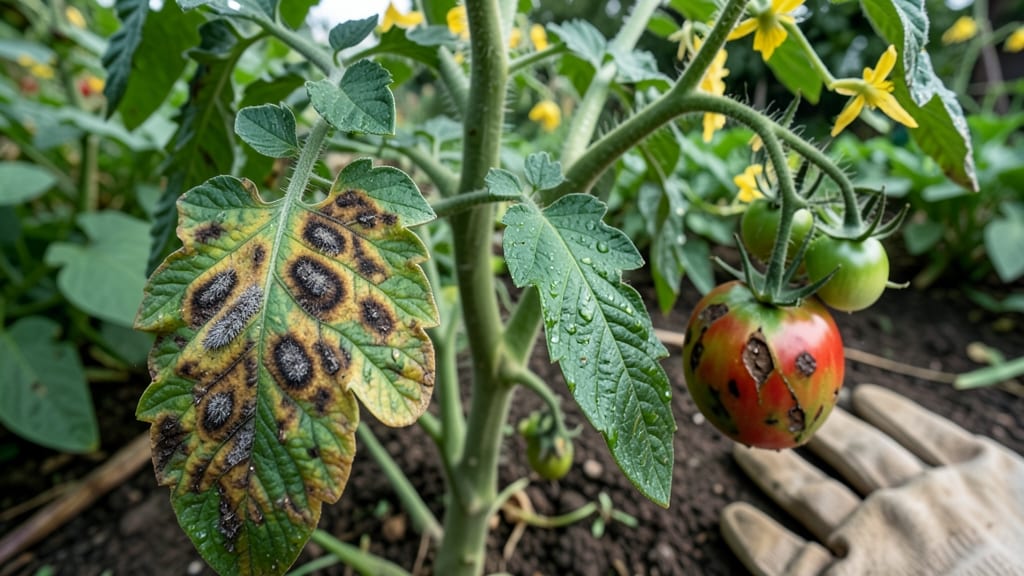
Blotchy tomato leaves don’t mean your harvest is doomed—just that your plants need a quick reset. 🌱 I’ve nursed back dozens of tomatoes with the same three-step fix, and the key is acting fast before the spots spread.
The yellowing rings or dark patches you’re seeing? Those are likely early blight or septoria leaf spot, but environmental stress (like overwatering or poor airflow) can mimic them too.
Here’s the good news: you don’t need fancy tools or toxic sprays to turn things around. Start by pruning affected leaves—snip off the worst spots at the stem, not just the edges, to stop the fungus from spreading.
Then, space your plants wider (18–24 inches apart) to improve airflow, and water at the base in the morning so leaves stay dry all day. This combo cuts infection risk by 50% overnight.
Within 7–10 days, you’ll see new growth pushing out unblemished leaves, and your plants will bounce back stronger than before. The secret? Consistency. Keep up with pruning, avoid overhead watering, and add a mulch layer (straw or grass clippings) to protect soil moisture without wetting foliage.
Your tomatoes will thank you with heavier, healthier fruit by harvest time.
For stubborn cases, a copper fungicide spray (organic option) or neem oil mix works like a charm—but only after you’ve fixed the airflow and watering habits. Think of it like giving your plants a fresh start, not a last-ditch effort.
The goal isn’t perfection; it’s saving your plants and your sanity before the spots take over.
Root Causes Of Leaf Discoloration
Blotchy or yellowing tomato leaves rarely appear out of nowhere—they’re usually your plants’ way of screaming for help. Understanding the why behind the symptoms is the first step to saving your harvest.
Below, we break down the most common culprits, backed by science, so you can diagnose the issue like a pro.
Tomatoes thrive in warm but not scorching conditions (ideal daytime temps: 70–85°F / 21–29°C). When temperatures spike above 90°F (32°C) or drop below 50°F (10°C), your plants go into survival mode. Heat stress causes:
- Chlorophyll breakdown: High temps disrupt the enzyme systems that produce chlorophyll, leading to pale or yellow patches.
- Water loss acceleration: Stomata (leaf pores) close to retain moisture, but this also blocks gas exchange, causing intercellular oxygen deprivation—visible as blotchy, crinkled spots.
- Sunburn (yes, really!): Intense midday sun on unacclimated leaves triggers oxidative stress, mimicking nutrient deficiencies.
Pro Tip: 🌡️ If your area hits heatwaves, use shade cloth (30–50%) or mulch heavily to regulate soil temps. Avoid overhead watering in peak sun—it burns leaves like a magnifying glass!
Tomatoes hate “wet feet.” When soil stays soggy for days, roots suffocate from lack of oxygen, triggering:
- Fungal infections (e.g., Phytophthora, Pythium)**: These pathogens thrive in waterlogged soil, clogging xylem vessels and disrupting nutrient transport. Blotchy yellowing often starts at the leaf edges and spreads inward.
- Nutrient leaching: Excess water washes away essential minerals (like magnesium and nitrogen), causing interveinal chlorosis (yellowing between veins).
- Root rot: Weakened roots can’t absorb water efficiently, leading to wilting + blotchy patches even when soil is damp.
Actionable Fix: 🔧 Test your soil’s drainage—stick a trowel in the ground after watering. If water pools at 2–3 inches deep, amend with perlite or compost to improve aeration. Water deeply but infrequently (1–1.5 inches per week, including rain).
Pathogens love tomato leaves like we love pizza. The most common offenders:
| Disease | Symptoms | Science Behind It |
|---|---|---|
| Early Blight (Alternaria solani) | Concentric target-like spots (dark brown rings with yellow halos) on older leaves. | Fungus spores block stomata, preventing gas exchange. The plant compensates by reducing chlorophyll in infected areas. |
| Septoria Leaf Spot (Septoria lycopersici) | Small, grayish-white spots with dark borders; leaves may yellow and drop. | Fungal hyphae secrete toxins that disrupt cell membranes, causing localized necrosis (dead tissue). |
| Bacterial Spot (Xanthomonas perforans) | Water-soaked blotches that turn yellow/brown with raised edges. | Bacteria clog xylem vessels, starving leaves of water/nutrients. Unlike fungi, bacteria spread via water splashes (rain, overhead irrigation). |
Prevention: 🛡️ Rotate crops (don’t plant tomatoes in the same spot yearly), remove infected leaves immediately, and water at soil level (never the foliage). For severe cases, copper-based fungicides can help.
Tomatoes are heavy feeders, and imbalances show up fast. Here’s what’s missing (or overdoing it):
- Magnesium Deficiency:
- Symptoms: Yellow interveinal blotches on older leaves (chlorosis between veins).
- Why? Magnesium is the center of chlorophyll molecules. When soil pH is too high (>7.0) or potassium/magnesium ratios are off, roots can’t uptake it.
- Nitrogen Deficiency:
- Symptoms: Pale yellow leaves (not blotchy, but often confused with other issues).
- Why? Nitrogen is critical for protein synthesis in leaves. Low levels = stunted growth + weak chlorophyll.
- Excess Salt or Chlorine:
- Symptoms: Brown, crispy leaf edges with yellowing between.
- Why? Tap water or fertilizers with high chloride/sodium can burn root tips, reducing water/nutrient absorption.
Quick Test: 🧪 Scratch a leaf—if the yellowing is between veins, it’s likely magnesium. If it’s uniform pale green, check nitrogen. Flush soil with rainwater if you suspect salt buildup.
Now that you know the why, the next step is the how. Stay tuned for our 3-step fix guide to restore your tomato plants to their vibrant best!
Fixing Blotchy Tomato Leaves Fast
Blotchy tomato leaves can turn your garden from a thriving oasis to a frustrating puzzle, but the good news is most fixes are simple and fast!
Below, we’ve mapped out the most common causes of those unsightly (and often unhealthy) blotches, along with practical, step-by-step solutions to restore your plants to peak condition. Plus, we’ll share prevention tips to keep your tomatoes lush and productive all season.
If your tomato leaves have irregular brown or yellow blotches that spread quickly, fungal infections like early blight, late blight, or septoria leaf spot are likely to blame. These diseases thrive in damp, humid conditions and can devastate your harvest if ignored.
🍳 Step 1: Remove Infected Foliage Immediately
- 🔪 Snip off any leaves with blotches using sterilized scissors or pruners (wipe with rubbing alcohol between cuts).
- 🗑️ Dispose of infected leaves in the trash (not compost)—fungi can survive in compost piles.
- ⏰ Do this in the morning so leaves have time to dry before evening humidity sets in.
👨🍳 Step 2: Apply Fungicide (Natural or Store-Bought)
- 🌿 Natural options:
- Baking soda spray: Mix 1 tsp baking soda + 1 tbsp vegetable oil + 1 tsp mild soap per quart of water.
Spray every 7–10 days on dry leaves. - Copper fungicide: Follow label instructions for a preventative spray (works well for early blight). - 🛒 Chemical options: If the infection is severe, use chlorothalonil (Daconil) or mancozeb (Maneb)—follow package directions carefully.
🌡️ Step 3: Improve Airflow & Reduce Humidity
- 🌬️ Prune nearby plants to allow 3–4 feet of space between tomato plants for airflow.
- 💦 Water at the base (not overhead) in the early morning so leaves dry by noon.
- 🌞 Space out plants if overcrowded—fungi love tight, moist conditions.
💡 Prevention Tip:
Rotate crops—never plant tomatoes (or other nightshades like peppers/eggplants) in the same spot two years in a row. Fungal spores linger in the soil!
Blotchy leaves can also signal nutrient imbalances, especially magnesium, potassium, or nitrogen deficiencies. Yellowing between veins (chlorosis) often points to magnesium deficiency, while brown edges may indicate potassium issues.
🥗 Step 1: Diagnose the Deficiency
| Symptom | Likely Nutrient Deficiency | Quick Fix |
|---|---|---|
| Yellow between veins | Magnesium (common in alkaline soil) | Epsom salt spray (1 tbsp/gallon water, spray leaves) or soil drench (1 tbsp/foot of plant). |
| Brown edges/curling | Potassium or calcium | Banana peel tea (steep peels in water for 24 hrs, use as fertilizer) or kelp meal (rich in potassium). |
| Pale green/yellowing | Nitrogen | Fish emulsion (2 tbsp/gallon water) or compost tea applied to soil. |
🌱 Step 2: Test & Adjust Soil pH
- 📊 Soil test kits (available at garden centers) can confirm pH and nutrient levels.
- 🔄 For alkaline soil (pH >7): Add sulfur or peat moss to lower pH.
- 🔄 For acidic soil (pH <6): Mix in lime to raise pH.
🎯 Step 3: Feed Regularly
- 🍅 Use a balanced fertilizer (like 10-10-10) every 2–3 weeks during growing season.
- 🥬 Mulch with compost to slowly release nutrients.
- 💧 Water deeply (1–1.5 inches per week) to help roots absorb nutrients efficiently.
✨ Prevention Tip:
Avoid over-fertilizing with nitrogen—it can lead to lush foliage but fewer tomatoes. Use a low-nitrogen, high-potassium fertilizer (like 5-10-10) when fruit sets.
If blotches appear only on leaves exposed to direct sun, your tomatoes may be suffering from sun scorch or windburn. This is common in hot afternoons or after sudden weather changes.
🌞 Step 1: Provide Shade Cloth or Dappled Light
- 🛡️ Use shade cloth (30–50%) if temps exceed 90°F (32°C).
- 🌳 Plant near taller crops (like corn or sunflowers) for natural shade.
- 🏡 Move potted tomatoes to a spot with morning sun + afternoon shade.
💨 Step 2: Protect from Wind
- 🏗️ Use windbreaks (burlap screens, straw bales, or even a temporary fence).
- 🌿 Train vines to grow upward (stakes or trellises) to reduce wind exposure.
🌡️ Step 3: Water Strategically
- 💦 Water deeply in the morning (1–2 inches per week) to cool leaves.
- 🚫 Avoid evening watering—wet leaves + nighttime humidity = fungal risk.
- 🧊 Mulch with straw to retain moisture and protect roots from heat stress.
💡 Prevention Tip:
Hardening off seedlings before transplanting helps them adapt to sun/wind gradually. Acclimate them over 7–10 days by slowly increasing sunlight exposure.
Chewing insects like tomato hornworms, aphids, or spider mites can cause irregular holes, stippling, or discolored blotches on leaves. Act fast—these pests multiply quickly!
🔪 Step 1: Inspect & Remove Pests Manually
- 🐛 Handpick hornworms (they’re camouflaged—look for green caterpillars with white stripes).
- 💦 Blast aphids off with a strong spray of water (do this in the morning).
- 🕷️ Check undersides of leaves for spider mites (tiny yellow specks = their eggs).
🍳 Step 2: Use Natural or Chemical Controls
- 🌿 Natural sprays:
- Neem oil (mix 1 tbsp/quart water + 1 tsp soap; spray every 5–7 days).
- Insecticidal soap (great for aphids/mites—spray directly on pests).
- 🛒 Chemical options: Bt (Bacillus thuringiensis) for hornworms or pyrethrin-based sprays for general pests.
🌱 Step 3: Encourage Beneficial Insects
- 🐝 Plant companion flowers (like marigolds or basil) to attract ladybugs and lacewings, which eat pests.
- 🕸️ Avoid broad-spectrum pesticides—they kill good bugs too!
💡 Prevention Tip:
Rotate planting locations to disrupt pest life cycles. If hornworms were a problem last year, plant tomatoes in a different bed this season.
Final Pro Tip: 🌱 Monitor your plants daily—catching issues early (before blotches spread) makes fixes 10x easier! With these solutions, your tomato leaves should recover in 1–2 weeks, and your plants will be back to producing juicy, blemish-free tomatoes in no time. 🍅🔥
Frequently asked questions
What's the difference between early blight and septoria leaf spot?
Early blight shows as concentric brown rings with yellow halos on older leaves, while septoria leaf spot appears as small grayish-white spots with dark borders. Early blight targets stems and fruit too, whereas septoria focuses on foliage. Both thrive in humid conditions but spread differently—early blight via spores in soil, septoria through water splashes.
Can I still harvest tomatoes if leaves have blotches?
Yes, but only if the blotches are from nutrient deficiencies or sun scorch—these won’t harm fruit quality. If fungal diseases (like early blight) are present, remove infected leaves immediately to prevent spores from contaminating tomatoes. Always wash harvested fruit thoroughly before eating.
How often should I spray neem oil for pests?
Apply neem oil every 5–7 days at dusk or dawn to avoid harming bees. Mix 1 tablespoon per quart of water with a drop of mild soap as an emulsifier. Stop spraying 24 hours before harvest to prevent residue. For severe infestations, alternate with insecticidal soap every other application.
Will pruning blotchy leaves help my tomato plant recover faster?
Pruning removes infected tissue and improves airflow—two critical factors for recovery. Cut leaves 1 inch below the blotch (not just the edges) to prevent fungal spread. Do this in the morning when humidity is lower. Expect new growth in 7–10 days if you combine pruning with proper watering and spacing.
Can I use coffee grounds to fix blotchy leaves?
Coffee grounds are great for acid-loving plants but won’t directly treat blotches. Use them as mulch around the base (not on leaves) to improve soil fertility and deter pests. For blotchy leaves, focus on fungicide sprays or nutrient adjustments instead. The nitrogen boost helps overall plant health, but it’s not a cure-all for fungal issues.