
Vegetables
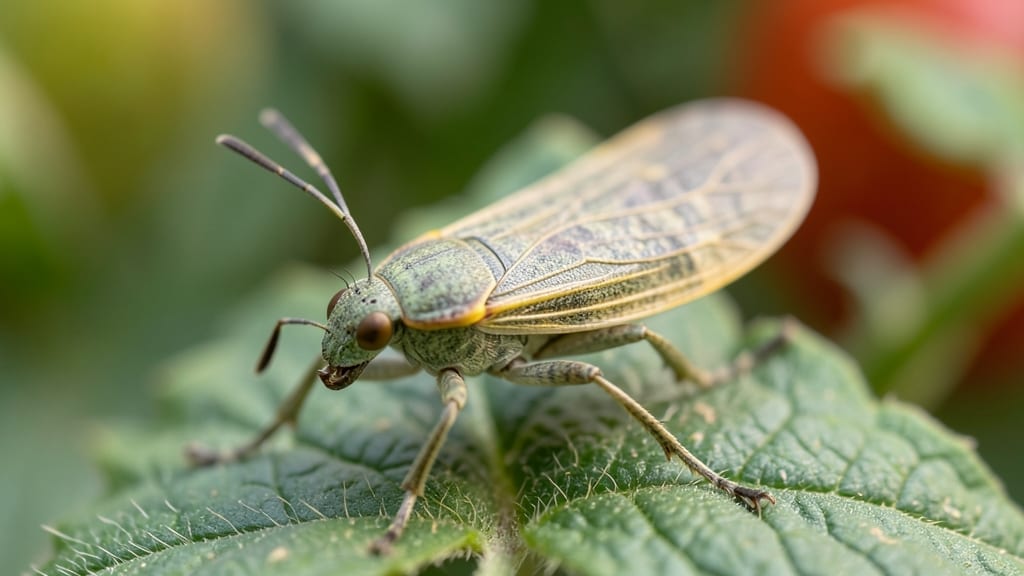
That picture of a tomato bug munching your tomatoes isn’t a garden myth—it’s a tomato hornworm, and it’s devastating your plants faster than you can say "harvest." 🌱 I’ve lost entire tomato plants to these guys, but I’ve also learned how to spot them early and stop them before they ruin your season.
These pests aren’t just hornworms—aphids, Colorado potato beetles, and even spider mites target tomatoes specifically. The key is knowing what each looks like (stripes, bumps, or tiny webs) and when they strike (early season for beetles, mid-season for hornworms). A quick scan of your leaves can save your crop.
You’ll eliminate them organically with neem oil, handpicking, or companion plants like basil and marigolds. The goal? Zero damage by the time your tomatoes turn red. Here’s how to make that happen.
Hornworms hide in plain sight—green as leaves, with white stripes and a horn-like tail. Aphids cluster on undersides like tiny green pearls, while beetles leave chewed leaves with a jagged edge. The damage isn’t just cosmetic; it stunts growth and invites disease.
Neem oil sprays work within 24 hours for most pests, but handpicking hornworms at dawn (when they’re sluggish) is the fastest fix. Companion planting disrupts their life cycle, and row covers keep them out entirely. Prevention beats cleanup every time.
Timing matters: treat hornworms in July, aphids in June, and beetles at planting. A weekly check turns a pest problem into a manageable task. Your tomatoes will thank you with bigger, healthier fruit all season.
Root Causes of Tomato Bugs
If you’ve spotted an unexpected visitor munching on your tomato plants, you’re not alone. 🍅🐛 These tiny troublemakers don’t just appear out of nowhere—they’re drawn to specific conditions in your garden. Understanding why they show up is the first step to kicking them to the curb.
Below, we break down the most common reasons tomato pests invade your plants, from environmental triggers to human habits that accidentally invite them.
Tomato plants thrive when they have space to breathe, but when they’re crammed together or struggling, they become prime targets for pests. Here’s why:
- Poor Air Circulation: Dense foliage traps moisture, creating a damp, humid microclimate that attracts soft-bodied insects like aphids and whiteflies. These pests love the sticky, sugary honeydew they secrete, which also encourages sooty mold.
- Weakened Defenses: Stressed plants (due to overcrowding, nutrient deficiency, or disease) produce fewer natural repellents. Bugs like the hornworm or tomato fruitworm can detect this weakness and go straight for the easiest meal.
- Soil Compaction: Crowded roots compete for nutrients and water, leading to stunted growth. Weak stems and leaves make it easier for chewers (like beetles) to access the plant’s juices.
Actionable Fix: Space tomato plants 18–24 inches apart and prune lower leaves to improve airflow. Mulch with straw or grass clippings to retain moisture without smothering roots.
Soil isn’t just dirt—it’s a living ecosystem. When the balance tips (too much nitrogen, lack of beneficial microbes, or poor drainage), pests take notice. Here’s how:
- Excess Nitrogen: Lush, soft new growth is a buffet for sap-sucking insects like aphids and spider mites. While nitrogen-rich soil helps plants grow fast, it also makes them more attractive to pests.
- Low Organic Matter: Healthy soil teems with microbes that suppress harmful insects. If your soil lacks compost or aged manure, pests like root-knot nematodes thrive because there’s less competition.
- Poor Drainage: Waterlogged soil weakens roots and attracts fungus gnats and slugs. These pests lay eggs in damp soil, and their larvae chew on roots while adults munch on leaves.
Actionable Fix:
- Test your soil’s pH (aim for 6.0–6.8 for tomatoes) and amend it with compost or aged manure.
- Add perlite or sand to improve drainage in heavy clay soils.
- Rotate crops annually to disrupt pest life cycles.
Tomato bugs aren’t picky—they love conditions that mimic their natural habitats. Here’s how weather plays a role:
| Pest | Trigger | Why It Works |
|---|---|---|
| Hornworms | Warm, humid nights (75°F+) | Humidity keeps their eggs from drying out, and warmth speeds up their growth rate. |
| Whiteflies | Dry, hot spells followed by rain | Drought-stressed plants release volatile chemicals that attract whiteflies, and rain spreads their sticky honeydew. |
| Fungal Diseases (e.g., early blight) | High humidity + temps above 80°F | Spores thrive in moist conditions, and stressed plants can’t fight off infections—attracting the bugs that feed on weakened tissue. |
Actionable Fix:
- Use shade cloth (30–50%) during peak summer heat to reduce stress on plants.
- Water deeply in the morning to evaporate excess moisture by evening.
- Plant tomatoes in locations with afternoon shade to prevent overheating.
Sometimes, the problem isn’t the garden—it’s the gardener. Unintentional mistakes can turn your tomato patch into a pest paradise:
- Over-Fertilizing: Synthetic fertilizers high in nitrogen create fast, tender growth that pests adore. Plus, excess salts in the soil can stress plants, making them more vulnerable.
- Ignoring Weeds: Weeds harbor pests and their eggs. For example, dandelions and purslane are known to host aphids and spider mites, which then migrate to your tomatoes.
- Bringing in Infested Plants or Tools: Even a single contaminated seedling or shared pruners can introduce pests like tomato psyllids or stink bugs to your garden.
- Late Planting: Tomatoes planted too late in the season may not mature before pests like fruitworms lay eggs. These bugs time their life cycles to coincide with ripe tomatoes!
Actionable Fix:
- Switch to organic, balanced fertilizers (e.g., 5-5-5 or compost tea) to avoid nitrogen overload.
- Pull weeds regularly and dispose of them in sealed bags (not compost).
- Sterilize tools with rubbing alcohol between uses.
- Start seeds indoors 6–8 weeks before the last frost date for a head start.
Once you identify the root cause, you can target solutions with precision. The key is proactive care—healthy plants in balanced conditions are far less appealing to tomato bugs! 🚫🐛
Eliminate Tomato Bugs Naturally
Spot those pesky tomato bugs (like aphids, hornworms, or stink bugs) wreaking havoc on your garden? Don’t panic—these solutions are simple, effective, and eco-friendly! Below, we’ll map common causes to practical fixes, plus prevention tips to keep your plants thriving.
Cause: These sap-sucking pests cluster on leaves, stems, and buds, weakening plants and spreading viruses.
Fix:
- 🔥 Blast Them Off: Spray aphids directly with a strong stream of water from a hose to dislodge them.
- 🍳 Soapy Water Spray: Mix 1 tablespoon of mild dish soap with 1 quart of water. Spray affected areas (avoid flowers to protect pollinators).
- 👨🍳 Introduce Beneficial Insects: Ladybugs and lacewings love aphids—release them near infested plants.
💡 Prevention Tip: Plant marigolds or basil nearby to repel aphids naturally.
Cause: These green caterpillars devour leaves overnight, leaving behind ragged foliage.
Fix:
- 🍳 Handpick & Drop: Wear gloves and pluck them off (they’re harmless to humans!). Drop them into soapy water.
- 🔪 Neem Oil Spray: Mix 1 tablespoon neem oil with 1 quart of water and ½ teaspoon mild soap. Spray leaves thoroughly.
- 🐝 Attract Parasitic Wasps: These tiny wasps lay eggs in hornworms, killing them naturally.
💡 Prevention Tip: Rotate crops yearly to disrupt their life cycle.
Cause: These shield-shaped bugs pierce fruit and leaves, causing brown spots and deformities.
Fix:
- 🥘 Drop Trap: Place a bucket of soapy water under plants—stink bugs will fall in when shaken.
- 🔪 Yellow Sticky Traps: Hang them near plants to catch adults before they lay eggs.
- 🌡️ Diatomaceous Earth: Sprinkle food-grade DE around the base of plants (reapply after rain).
💡 Prevention Tip: Mulch heavily to deter egg-laying in soil.
Cause: These tiny white moths cluster on undersides of leaves, leaving sticky residue (honeydew).
Fix:
- 🔪 Yellow Sticky Cards: Place them near plants to trap adults.
- 🍳 Neem Oil Spray: Apply neem oil weekly to disrupt their life cycle.
- 🌿 Yellow Trap Lights: Use a yellow bulb at dusk to attract and trap them.
💡 Prevention Tip: Inspect new plants before bringing them indoors—whiteflies hitchhike easily!
- 🌿 Crop Rotation: Switch tomato families yearly to starve pests.
- 🌱 Healthy Soil: Strong plants resist pests—add compost for nutrients.
- 🕵️ Early Detection: Check leaves daily for eggs or early signs.
- 🚫 Avoid Overwatering: Damp leaves attract bugs—water at the base.
✨ Pro Tip: Companion planting works wonders! Try basil, garlic, or nasturtiums near tomatoes to deter pests naturally.
With these fixes, your tomato plants will bounce back stronger—and bug-free! 🍅💪
Frequently asked questions
What’s the most common tomato bug I’ll see in my garden?
The tomato hornworm is the most notorious—it’s a large green caterpillar with white stripes and a horn-like tail. You’ll also spot aphids (tiny green clusters) and Colorado potato beetles (yellow-orange with black spots). Check leaves daily for early signs.
How do I tell if a bug is harming my tomato plants?
Look for chewed leaves, sticky residue (honeydew), or discolored spots on fruit. Hornworms leave ragged holes, while aphids cause curled leaves. If you see these signs, act fast—pests spread quickly in warm weather.
Is it safe to use neem oil on tomato plants?
Yes! Neem oil is organic and safe for tomatoes when used correctly. Mix 1 tablespoon with 1 quart of water and ½ teaspoon mild soap. Spray leaves (avoid flowers) in the evening to prevent harming bees. Reapply every 5-7 days for best results.
Can I save my tomatoes if they’re already infested?
Remove visible pests by hand (drop them in soapy water) and apply neem oil or insecticidal soap immediately. For severe cases, use row covers to block new eggs. Healthy plants recover faster—focus on airflow and watering at the base.
What’s the best time of day to check for tomato bugs?
Early morning or late afternoon are ideal—pests like hornworms and aphids hide in shade during peak heat. Use a flashlight to inspect undersides of leaves where bugs often cluster. Weekly checks prevent outbreaks before they start.