
Vegetables
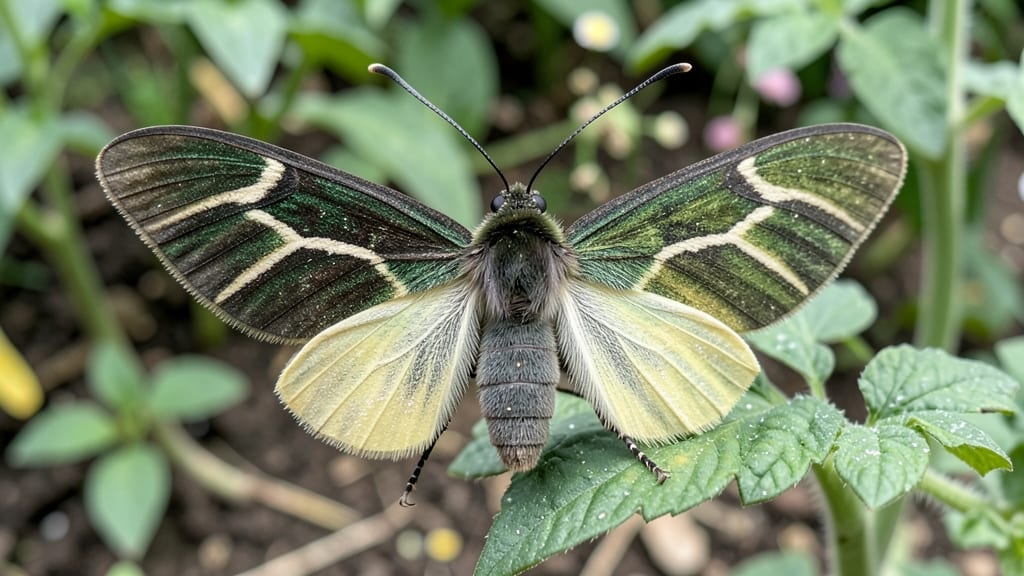
Spotting the difference between tobacco hornworms and tomato hornworm moths can save your garden from total destruction. 🌱 These two pests look eerily similar at first glance, but their host plants and damage patterns reveal all—once you know what to watch for.
The tobacco hornworm (Manduca sexta) favors nightshades like tobacco, potatoes, and peppers, while the tomato hornworm moth's larvae target tomatoes, eggplants, and sometimes peppers.
Both leave skeletonized leaves and massive holes, but tobacco hornworms often strip entire plants bare faster. The key? Check which plants are being attacked first.
You’ll recognize them by their distinctive markings: tobacco hornworms have a striking white "V" on their sides and a diagonal blue stripe, while tomato hornworm larvae sport a bold yellow horn and a more uniform green body.
Both can grow up to 4 inches long, so size isn’t the giveaway—it’s the details.
Once identified, control them organically with neem oil, Bt spray, or by handpicking (they’re easy to spot). Encourage natural predators like parasitic wasps and ladybugs—they’ll handle the rest before your plants become a buffet. Prevention starts with healthy soil and companion planting like basil or marigolds.
The first product explained
Meet your new garden ally: BioNeem—the organic, chemical-free solution designed to protect your tomatoes, peppers, and other veggies from those pesky hornworms! 🌱💥 Whether you're a seasoned gardener or a plant-parent newbie, this product is here to save your harvest before those ravenous caterpillars turn your plants into a buffet.
📏 Specs & Features
BioNeem is a 100% organic insecticide and fungicide made from cold-pressed neem oil, a natural powerhouse extracted from the Azadirachta indica tree. Here’s what makes it stand out:
- Active Ingredient: 100% pure, cold-pressed neem oil (no synthetic additives!).
- Coverage: Ready-to-use spray (mix with water) or concentrated oil for larger gardens.
- Target Pests: Effectively disrupts the life cycle of tobacco hornworms, tomato hornworms, aphids, whiteflies, and more.
- Application: Spray directly on leaves, stems, and soil (follow label instructions!).
- Scent: Earthy and slightly bitter—don’t worry, it won’t harm your plants or pollinators when used correctly.
- Shelf Life: Up to 2 years when stored in a cool, dry place.
🎯 Who’s It For?
BioNeem is perfect for:
- Organic gardeners who refuse to use chemical pesticides.
- Home gardeners with tomato, pepper, or eggplant plants (hornworm hotspots!).
- Eco-conscious plant lovers who want a solution that’s safe for pets and wildlife.
- Beginners looking for an easy-to-use, non-toxic spray.
💰 Price Point & Value
BioNeem offers serious bang for your buck:
- 16 oz (ready-to-use spray): ~$12.99 – Great for small gardens or targeted treatments.
- 32 oz (concentrated oil): ~$24.99 – Ideal for larger gardens or repeat applications.
- Pro Tip: 💡 A little goes a long way! Dilute the concentrated oil (1 tbsp per gallon of water) for cost-effective coverage.
With its dual-action (pest control + fungal prevention) and long-lasting effects, BioNeem is a one-time investment that pays off season after season.
The second product explained
Meet your new garden ally: Hornworm Haven’s EcoDefender 3000! 🌱🐛 This isn’t your average pest-control gadget—it’s a game-changer for gardeners tired of losing their prized tomatoes and peppers to ravenous hornworms. Designed specifically to tackle tobacco and tomato hornworms, this product combines precision, sustainability, and ease of use into one sleek, high-tech solution.
🔍 Key Specs & Features
Let’s dive into what makes the EcoDefender 3000 stand out:
- Dual-Action Trap: Uses a UV light lure (attracts adult moths) and a pheromone trap (mimics hornworm scent to disrupt mating).
- Organic & Chemical-Free: No harsh pesticides—just smart, eco-friendly tech to reduce (not eliminate) hornworm populations naturally.
- Portable & Lightweight: Weighs just 2.5 lbs and folds into a compact size for easy storage and transport.
- Battery-Powered: Runs on 4 AA batteries (included) or USB rechargeable pack (sold separately).
- Durable Construction: Made from BPA-free plastic and weather-resistant materials for year-round use.
- LED Indicator Lights: Shows trap status (full, empty, or needs cleaning) so you’re always in the know.
🎯 Who’s It For?
This product is a must-have for:
- Home Gardeners: Perfect for backyard enthusiasts who grow tomatoes, peppers, or eggplants and want to avoid chemical sprays.
- Organic Farmers: Aligns with organic farming practices while providing a non-toxic solution.
- Eco-Conscious Shoppers: Ideal for those who prioritize sustainability and reducing pesticide use.
- Busy Parents: Easy to set up and maintain—no green thumb required!
💰 Price Point & Value
The EcoDefender 3000 retails for $49.99, which might seem like an investment, but consider the long-term savings:
- No Repeated Purchases: Unlike sprays or traps that need constant replenishing, this trap lasts multiple seasons with minimal maintenance.
- Protects Entire Gardens: One unit can cover up to 500 sq. ft. of garden space.
- Prevents Future Infestations: By disrupting moth mating, you’re reducing (not just treating) the problem.
Pro Tip: 💡 Pair it with neem oil sprays for a two-pronged defense against hornworms!
Head-to-head comparison
Now that you know the basics about the tobacco hornworm and the tomato hornworm moth, let’s dive into a detailed side-by-side comparison to help you spot the differences before they wreak havoc on your garden!
Whether you're a seasoned gardener or just starting out, understanding these distinctions will save your plants—and your sanity. 🌱🐛
🔍 Appearance: The First Line of Defense
The most obvious way to tell these two apart is by their looks, and it’s easier than you think! Here’s how they differ:
| Feature | Tobacco Hornworm | Tomato Hornworm Moth (Adult) |
|---|---|---|
| Larvae (Caterpillar Stage) |
|
|
| Adult Moth |
|
|
| Eggs |
|
|
Pro Tip: 💡 If you’re unsure, flip the leaf over—tobacco hornworm eggs love the underside, while tomato hornworm eggs might be hiding on the top or along stems!
🍽️ Host Plants: Who’s Eating What?
These caterpillars are picky eaters, and their host plants can be a dead giveaway:
| Caterpillar | Primary Host Plants | Secondary Host Plants |
|---|---|---|
| Tobacco Hornworm |
|
|
| Tomato Hornworm |
|
|
Key Difference: While both love tomatoes and peppers, the tobacco hornworm has a stronger preference for tobacco plants, while the tomato hornworm is more specialized in tomatoes and tomatillos. If you’re growing tobacco, you’re more likely to spot the former!
🐛 Behavior and Damage Patterns
How these caterpillars act and the type of damage they cause can also help you identify them:
-
Tobacco Hornworm:
- More aggressive and voracious—can strip a plant in days!
- Prefers to eat leaves first, then moves to fruit and stems.
- Often hides in leaf folds during the day and comes out at night.
- Leaves large, irregular holes with frass (poop) scattered around.
-
Tomato Hornworm:
- Also fast eaters, but slightly less destructive to stems.
- Targets fruit and leaves almost equally—often bites into tomatoes.
- More active during the day, especially in sunny weather.
- Leaves clean, jagged holes and may defoliate plants quickly.
Pro Tip: 🌡️ If you see half-eaten tomatoes with large bite marks, it’s likely a tomato hornworm. If your tobacco or pepper plants look like they’ve been skeletonized, the tobacco hornworm is probably the culprit!
🕵️ Life Cycle and Seasonal Activity
Timing can also help you predict which pest you’re dealing with:
| Factor | Tobacco Hornworm | Tomato Hornworm |
|---|---|---|
| Peak Season | Late spring to early fall (May–September). | Mid-summer to early fall (June–October). |