
Planting
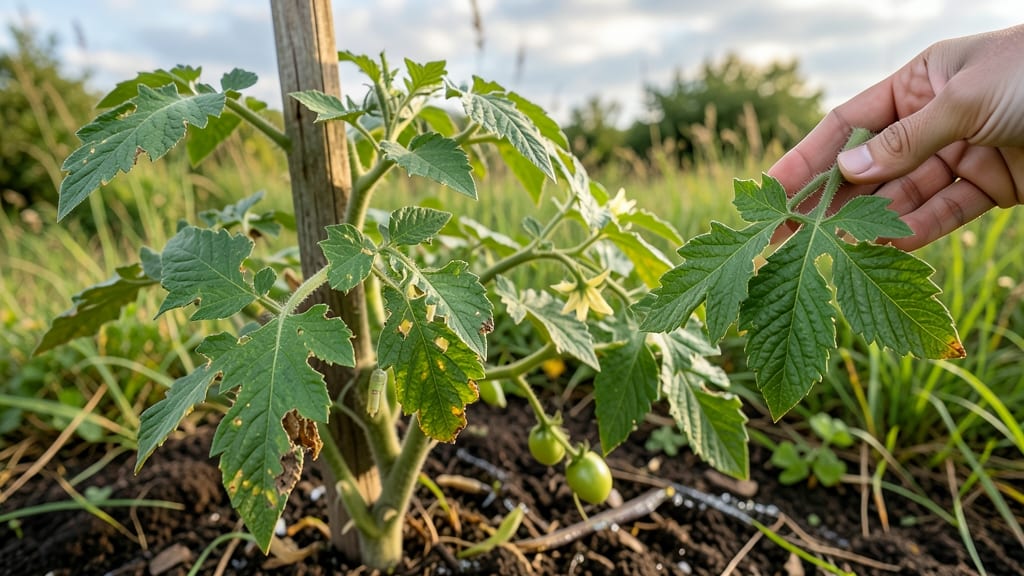
Your tomato plant leaves eaten?
That’s the moment your hard work meets hungry critters—and the good news is, you can fight back fast. 🌱 I’ve seen everything from ragged edges to skeleton leaves, and the fixes are simpler than you’d think, whether it’s slugs, rabbits, or caterpillars making a snack of your plants.
First, identify the culprit: slugs leave shiny trails and irregular holes, while rabbits chew clean edges near the ground. Caterpillars? Look for frass (tiny poop) and half-eaten leaves. Once you know who’s dining, the solutions are straightforward—like beer traps for slugs, fencing for rabbits, or handpicking caterpillars (yes, really).
Prevention is the real game-changer. A 3-foot-tall fence keeps rabbits out, while companion planting with basil or marigolds deters pests naturally. Even a late-night flashlight patrol can save your plants before they’re gone. The key is acting fast—before the damage spreads.
No matter what’s munching, your tomatoes aren’t doomed. With these quick fixes, you’ll protect your harvest and keep your garden thriving—no chemicals required. Let’s get your plants back in shape!
The Hidden Culprits Behind Leaf Loss
When your tomato plant leaves start disappearing, it’s not just a case of "someone’s snacking"—there are specific reasons behind this leafy disappearance. Understanding these causes is the first step to protecting your plants and ensuring a bountiful harvest.
Below, we break down the most common reasons why tomato plant leaves get eaten, along with the science behind them.
Pests are the most obvious—and often the most frustrating—reason for missing tomato leaves. These tiny (or not-so-tiny) creatures see your plants as an all-you-can-eat buffet. Here’s how they strike:
- Caterpillars (e.g., Hornworms, Tomato Loopers): These fuzzy or striped critters can devour entire leaves overnight. Hornworms, in particular, are voracious—they can strip a plant bare in just a few days! 🐛 They hide well during the day, making them hard to spot until the damage is done.
- Beetles (e.g., Colorado Potato Beetles, Japanese Beetles): Adult beetles chew leaves into lace-like patterns, while their larvae (grubs) burrow into the soil to feast on roots. Japanese beetles, for example, target the soft tissue between leaf veins, leaving a skeletonized mess. 🐞
- Aphids and Whiteflies: These tiny sap-suckers cluster on the undersides of leaves, causing them to curl, yellow, and eventually fall off. While they don’t eat the whole leaf, their feeding weakens the plant, making it susceptible to other pests. 🐛
- Slugs and Snails: These slimy invaders leave behind shiny, irregular holes in leaves, especially after rain. They’re most active at night, so you might wake up to a trail of slime and half-eaten foliage. 🐌
💡 Pro Tip: Check the undersides of leaves and the soil around your plants at dawn or dusk. Early detection is key—once pests take hold, they multiply fast!
While pests are the main culprits, environmental stress can also make tomato plants vulnerable to leaf loss. Overwatering or soggy soil creates the perfect conditions for fungal diseases and root rot, which weaken the plant’s defenses. Here’s how it happens:
- Root Rot (Phytophthora, Pythium): When soil stays too wet, these water-mold fungi attack the roots, cutting off the plant’s nutrient and water supply. Without proper nourishment, leaves turn yellow, wilt, and fall off—even if no pests are present. 🌧️
- Blossom End Rot (Indirect Effect): This isn’t caused by pests, but severe water stress (either overwatering or drought) can lead to calcium deficiency in the plant. While it primarily affects fruits, the overall stress weakens the plant, making it easier for pests to target leaves. 🍅
- Fungal Leaf Spots (Alternaria, Septoria): Excess moisture on leaves creates a breeding ground for fungi. These spots start as small brown or black marks and expand, causing leaves to yellow and drop prematurely. 🍂
💡 Pro Tip: Ensure your tomato plants have well-draining soil and water deeply but infrequently. Aim for about 1–1.5 inches of water per week, and avoid overhead watering to keep leaves dry.
Tomato plants are heavy feeders, and a lack of key nutrients can weaken their structure, making them an easier target for pests—or even causing leaves to fall off due to poor health. Here’s what to watch for:
| Nutrient | Deficiency Signs | Effect on Leaves |
|---|---|---|
| Nitrogen (N) | Yellowing leaves (starting with older ones), stunted growth | Weak, pale leaves that are more susceptible to pests and disease |
| Potassium (K) | Brown or yellow edges on older leaves, weak stems | Leaves become crispy and brittle, falling off easily |
| Magnesium (Mg) | Interveinal yellowing (between veins) on older leaves | Leaves may curl or drop prematurely, leaving the plant vulnerable |
| Calcium (Ca) | Blossom end rot (on fruits), but also weak new growth | New leaves may be small, deformed, or prone to pest attacks |
💡 Pro Tip: Conduct a soil test to identify deficiencies, then amend with compost, balanced fertilizer, or targeted supplements (e.g., Epsom salt for magnesium). A healthy plant is less appealing to pests!
Sometimes, the culprit isn’t alive at all—it’s the weather! Environmental stressors can physically damage leaves, making them more attractive to pests or causing them to fall off naturally. Here’s how:
- Strong Winds or Hail: Physical damage from storms can tear leaves, creating entry points for pests and diseases. Torn leaves also lose moisture faster, accelerating decay. 🌪️
- Extreme Heat or Drought: Tomato plants wilt under intense heat, and leaves may curl or drop to conserve water. While not "eaten," the stress makes plants more susceptible to secondary issues like pest attacks. 🔥
- Frost or Cold Snaps: Sudden temperature drops can cause leaves to blacken and fall off. Young plants are especially vulnerable, and the damage can stunt growth, making them easier targets for pests later in the season. ❄️
💡 Pro Tip: Use row covers, mulch, or shade cloth to protect plants from extreme weather. Prune damaged leaves to encourage new growth and reduce stress.
Now that you know why tomato leaves are disappearing, the next step is to take action. The fixes depend on the root cause—whether it’s a pest invasion, environmental stress, or a nutrient deficiency. Stay tuned for our next section on quick fixes to save your harvest!
How to solve it
When your tomato plant leaves start looking like a buffet for hungry critters, don’t panic—there are practical ways to reclaim your garden! Below are targeted solutions for the most common culprits behind leaf munching, along with prevention tips to keep your plants safe and thriving. 🌱🐞
If you wake up to silvery trails and ragged holes in your tomato leaves, slugs and snails are likely the guilty parties. These nocturnal nibblers thrive in damp conditions and can decimate a plant overnight.
How to Fix It:
- 🔥 Set Up Beer Traps: Bury a shallow container filled with beer (yes, really!) near the base of your plants. The slugs will crawl in and drown—no mess, no chemicals. Refresh every few days.
- 🍳 Copper Barriers: Wrap copper tape around pots or create a ring in the soil. The slight electric charge (from the copper) repels slugs. It’s a one-time purchase that lasts for years!
- 👨🍳 Handpick at Night: Grab a flashlight and a bucket of soapy water. Slugs come out after dark—crush or relocate them (though many gardeners prefer the soap method).
- 🥘 Diatomaceous Earth: Sprinkle food-grade DE around the base of plants. It’s a natural, non-toxic powder that dehydrates slugs. Reapply after rain.
Prevention Tips:
- 💡 Mulch Strategically: Use coarse mulch (like pine straw) instead of fine organic matter, which attracts slugs.
- 🌡️ Water in the Morning: Slugs love moisture. Watering early gives soil time to dry, making it less inviting.
Tiny green or brown caterpillars (like tomato hornworms or loopers) can strip leaves faster than you can say “harvest.” Check the undersides of leaves—you’ll often spot them camouflaged there.
How to Fix It:
- 🔪 Handpick & Drop in Soapy Water: Wear gloves and pluck caterpillars off leaves. Drop them into a bucket of soapy water to kill them instantly. Do this in the early morning when they’re sluggish.
- 🍳 Introduce Beneficial Insects: Ladybugs, lacewings, and parasitic wasps (like Braconid wasps) hunt caterpillars naturally. Buy them online or attract them with nectar-rich flowers.
- 🥘 Bt (Bacillus thuringiensis): This organic spray is a caterpillar’s worst nightmare. It’s safe for humans and pets but deadly to leaf-eating larvae. Spray in the evening for best results.
- 🎯 Physical Barriers: For young plants, cover them with lightweight row covers until they’re established. This blocks caterpillars while still allowing sunlight and water through.
Prevention Tips:
- ✨ Plant Companion Flowers: Marigolds, basil, and dill repel caterpillars and attract their predators.
- 🌱 Rotate Plantings: Avoid planting tomatoes in the same spot yearly—this disrupts caterpillar life cycles.
If your tomato plants look like they’ve been hit by a lawnmower, rabbits or deer are likely the culprits. These herbivores have a taste for tender young leaves and stems.
How to Fix It:
- 🔥 Install Fencing: For rabbits, a fence at least 2 feet tall (they can jump!) with the bottom buried or angled outward. For deer, go for 8 feet tall—they’re persistent jumpers.
- 🍳 Repellent Sprays: Use commercial repellents (like Liquid Fence) or make your own with garlic, hot peppers, and water. Spray on leaves and reapply after rain.
- 👨🍳 Scare Tactics: Motion-activated sprinklers or old CDs hung from strings can startle them away. Move them around weekly to keep them effective.
- 🥘 Plant Unappealing Alternatives: Surround tomato plants with herbs like rosemary or lavender, which animals tend to avoid.
Prevention Tips:
- 💡 Harvest Early: Pick tomatoes as soon as they ripen to remove the temptation.
- 🌡️ Use Hair Clippings: Soak human or animal hair in water, strain it, and spray it around the garden. The smell confuses deer and rabbits.
While aphids and spider mites don’t eat entire leaves, their feeding can weaken plants and leave behind sticky residue (aphids) or webbing (mites). Look for curled leaves or yellowing foliage.
How to Fix It:
- 🔥 Blast Them Off: Use a strong stream of water from your hose to knock them off leaves. Do this in the morning so the plant can dry quickly.
- 🍳 Introduce Ladybugs: These beneficial insects are aphid-munching machines. Release them in the early morning or evening when they’re least active.
- 🥘 Neem Oil Spray: Mix neem oil with water and a drop of dish soap. Spray directly on pests—it disrupts their life cycle and repels future infestations.
- 🎯 Yellow Sticky Traps: Hang these near plants to catch flying pests like whiteflies (which aphids often attract).
Prevention Tips:
- ✨ Encourage Predatory Wasps: Plant flowers like dill, fennel, and yarrow to attract wasps that prey on mites.
- 🌱 Avoid Over-Fertilizing: Too much nitrogen attracts aphids. Use balanced fertilizer and monitor plant health.
With these targeted fixes, your tomato plants should bounce back stronger than ever. The key is acting fast and staying consistent—whether that means setting traps, handpicking pests, or reinforcing barriers. Happy gardening! 🍅🌿
Frequently asked questions
What do ragged edges on tomato leaves mean?
Ragged edges usually signal slug or snail activity—look for silvery trails and irregular holes. These pests leave behind shiny slime paths while they feed overnight. Check soil moisture too; damp conditions attract them. For quick fixes, try beer traps or diatomaceous earth around plant bases.
How can I tell if deer are eating my tomato leaves?
Deer leave clean, sharp-edged bites near the ground (they browse at mouth level). You'll often see multiple plants affected in one night. Unlike rabbits, deer don't leave droppings nearby. Install an 8-foot fence or use motion-activated sprinklers to deter them.
Are tomato hornworms really that destructive?
Absolutely—they're leaf-eating machines! A single hornworm can skeletonize leaves overnight. Look for green caterpillars with white stripes and black "horns." Handpick them (drop in soapy water) or use Bt spray. They hide well during the day on leaf undersides.
Will my tomato plant recover if most leaves are eaten?
Yes, but focus on protecting the remaining foliage. New leaves will grow from the stem if the plant's core is healthy. Prune severely damaged leaves and apply compost to strengthen roots. Avoid over-fertilizing—stressed plants attract more pests.
Can I use coffee grounds to protect tomato leaves?
Coffee grounds work as a natural repellent for slugs and some insects. Sprinkle used grounds around plant bases (not directly on leaves). They create an unpleasant barrier while adding nitrogen to the soil. Reapply after rain—it washes away quickly.