
Companion Plants
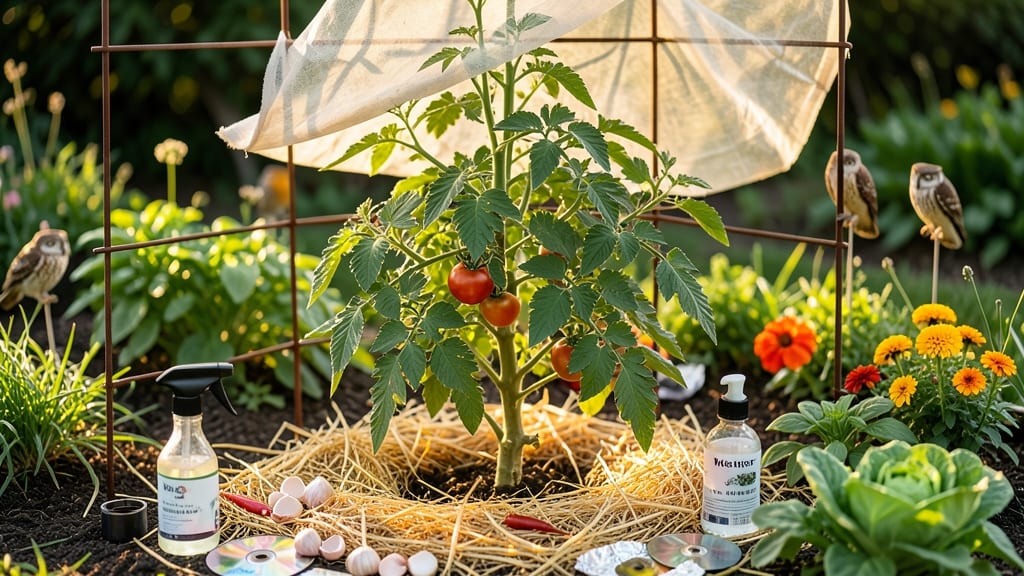
How to keep critters away from tomato plants can feel like an impossible battle—until you try these pollinator-safe repellent sprays that actually work. 🌱 I’ve lost entire harvests to hungry deer, relentless rabbits, and swarms of hornworms, but these natural solutions finally gave me back my garden. The key is combining physical barriers with targeted sprays that deter pests without harming bees or butterflies.
You’ll need just three simple ingredients—garlic, cayenne pepper, and dish soap—plus a spray bottle and a little elbow grease. The garlic spray alone sends rabbits running, while the cayenne keeps insects off without killing them.
Best of all, it’s cheap, easy to make, and works for the entire growing season. No more waking up to chewed leaves or missing fruit.
By mid-summer, your tomato plants will thrive under their protective shield, producing heavier, sweeter tomatoes than ever before. The sprays break down naturally, so you can safely apply them right before pollinators arrive—no waiting periods, no guilt. Plus, the process takes less than 15 minutes and costs pennies per application.
Works for deer, rabbits, squirrels, and insect pests alike—no matter your garden size or layout. Here’s how to mix, apply, and troubleshoot the most common mistakes so your tomatoes stay safe and your harvest stays bountiful.
📚 In This Guide
- What you need
- Instructions
- Tips and common mistakes
- Wrapping up and next steps
What you need
- ● Spray bottles (2-4) – 8–16 oz (240–475 mL) capacity, with fine mist nozzles for even coverage.
- ● Neem oil (16 oz / 500 mL) – Organic, cold-pressed, and 100% pure (no additives).
- ● Garlic or hot pepper extract (8 oz / 240 mL) – Look for concentrated, food-grade versions (e.g., Dr. Bronner’s Peppermint Castile Soap or homemade blends).
- ● Dish soap (unscented, 1 tbsp) – Mild, biodegradable (e.g., Dawn Free & Gentle).
- ● Water (1 gallon / 3.8 L) – Filtered or distilled for best results.
- ○ Spray shield or row covers (optional but helpful) – Lightweight, breathable fabric (e.g., floating row covers or Agribon for heavy infestations).
- ● Gloves (1 pair) – Nitrile or latex-free for handling sprays and plants.
- ● Essential oils (5–10 drops total) – Peppermint, citrus, or eucalyptus (avoid clove or cinnamon, which can harm bees).
- ● Companion plants (marigolds, basil, or nasturtiums) – Plant near tomatoes to naturally deter pests.
- ● Copper tape or wire mesh – For physical barriers against slugs/snails.
- ● Bee-friendly flowers (e.g., borage or lavender) – Attract pollinators while keeping pests at bay.
Step-by-Step guide to creating safe, effective critter repellent sprays for tomato plants
Here’s my go-to method for keeping pests at bay without harming bees and butterflies.
🌿 Step 1: Gather Natural Ingredients for Effective Repellents
Start with garlic, hot peppers, and castile soap—these form the backbone of a potent, pollinator-friendly spray. Chop 2-3 garlic cloves and 1-2 hot peppers (like jalapeños or cayenne) into a fine paste using a mortar and pestle or food processor. The stronger the garlic and pepper, the more effective the repellent. Add 1 tablespoon of liquid castile soap to help the mixture stick to plant surfaces.
For extra protection, include 1 teaspoon of neem oil (optional but highly effective). Neem disrupts insect feeding patterns without harming beneficial insects. Mix all ingredients in a quart-sized spray bottle—this size covers about 4 tomato plants per application. Fill the rest with distilled water until the bottle is full. Shake well before each use.
💧 Step 2: Prepare the Spray and Test for Safety
Let the mixture sit for at least 24 hours before spraying. This allows the garlic and pepper oils to fully infuse the water, making the repellent stronger. After resting, strain the mixture through a fine-mesh sieve or cheesecloth to remove any chunks—you don’t want clogged spray nozzles or residue on leaves.
Before applying to your tomato plants, test a small area on a leaf. Wait 24 hours to ensure no discoloration or damage occurs. If the leaves look healthy, your spray is ready. Avoid spraying on hot, sunny days—the garlic and pepper oils can burn leaves when concentrated under direct sunlight. Early morning or late afternoon is ideal.
☀️ Step 3: Apply the Spray Systematically for Maximum Protection
Spray the undersides of leaves first—this is where many pests like aphids and hornworms hide. Use a gentle mist to coat the foliage evenly, focusing on stems and new growth where pests often target. A light, even layer is key; heavy application can clog stomata (leaf pores) and stress the plant.
Reapply every 5-7 days or after heavy rain, as the repellent breaks down over time. For preventative maintenance, spray once a week during peak pest season (late spring through early fall). Store any leftover spray in a cool, dark place—it lasts about 2 weeks before losing potency.
✂️ Step 4: Combine Sprays with Physical Barriers for Extra Defense
While sprays deter pests, physical barriers add an extra layer of protection. Wrap the lower 6-12 inches of tomato stems with floating row covers or cheesecloth to block crawling insects like cutworms. Secure the fabric loosely with clips or stakes—you want airflow to prevent fungal issues.
For above-ground pests like birds and squirrels, install netting over the entire plant once tomatoes start ripening. This keeps critters from snatching fruit without blocking sunlight or air. Check the netting weekly for tears and repair as needed—even small gaps invite pests.
🪴 Step 5: Monitor and Adjust for Long-Term Success
Keep a pest journal to track which repellents work best in your garden. Note the types of critters you’re dealing with (e.g., aphids, hornworms, deer) and adjust ingredients accordingly. For example, if deer are the issue, add 1 tablespoon of rotten eggs (yes, really) to the spray—it’s a proven deer deterrent.
Rotate repellent formulas every 2-3 weeks to prevent pests from building resistance. If you notice new damage despite sprays, switch to a different natural ingredient, like chili pepper flakes or crushed wormwood. The key is consistency and variety—pests adapt, so keep them guessing!
Tips & tricks for creating effective critter repellent sprays
These natural pest control secrets will help you maximize your spray's effectiveness while keeping your tomatoes—and pollinators—safe.
Infusion Time is Critical: That 24-hour resting period in Step 2 isn't just a suggestion—it's where the magic happens. The garlic and pepper oils need this time to fully infuse into the water, creating a stronger repellent. If you're short on time, you can reduce this to 12 hours, but the flavor and potency will be noticeably weaker. Pro tip: Place your sealed spray bottle in a cool, dark cabinet during the infusion—this helps preserve the active compounds longer.
Soap Selection Matters: Not all castile soaps are created equal. Look for a liquid castile soap with minimal additives—Dr. Bronner's unscented version works best. The soap acts as an emulsifier, helping the garlic and pepper oils stick to plant surfaces. If your spray isn't clinging well after application, try adding an extra ½ teaspoon of soap to the quart-sized bottle. Just be cautious not to overdo it, as too much soap can damage plant leaves.
Strategic Application Technique: When applying in Step 3, focus on the undersides of leaves first—this is where most pests hide and where they'll get the strongest dose. For particularly stubborn pests like hornworms, add a few drops of the spray directly to their hiding spots. Remember, a gentle mist is key: heavy application can clog leaf pores and stress your tomato plants. If you notice water beading up on leaves after spraying, you've applied too much—rinse with plain water and try again with a lighter touch.
Rotation Strategy for Long-Term Defense: The 2-3 week rotation mentioned in Step 5 is your secret weapon against pest resistance. Keep three different spray formulas on hand—one with garlic/pepper, one with neem oil, and one with chili pepper flakes. This way, you can alternate without pests adapting to a single formula. I like to label my spray bottles with dates so I can track which formulas work best against specific pests in my garden.
Pro Tips for Keep Critters Away From Tomato Plants
- These natural pest control secrets will help you maximize your spray's effectiveness while keeping your tomatoes—and pollinators—safe.
- Infusion Time is Critical: That 24-hour resting period in Step 2 isn't just a suggestion—it's where the magic happens.
- Soap Selection Matters: Not all castile soaps are created equal.
Frequently asked questions
Got questions about keeping critters away from your tomato plants? You’re not alone! Here are some of the most common concerns—and practical solutions—to help you protect your harvest without harming pollinators or breaking a sweat.
What’s the best natural spray to deter pests without killing bees?
Use a homemade garlic-chili spray (blended garlic, cayenne pepper, and water) or neem oil spray. Both repel pests like aphids and tomato hornworms but are safe for bees when applied early in the morning or late evening when they’re less active. Avoid synthetic pesticides entirely—they can linger and harm pollinators.
How often should I reapply repellent sprays?
Reapply sprays every 7–10 days or after heavy rain. For garlic-chili sprays, reapply more frequently (every 5–7 days) since the scent fades faster. Store-bought neem oil products often last longer—check the label for specific instructions. Pro tip: Mix a little dish soap (1 tsp per gallon) to help the spray stick better to leaves!
Are companion plants enough, or do I still need sprays?
Companion plants like basil, marigolds, or nasturtiums help deter pests, but they’re not foolproof. For heavy infestations (e.g., hornworms or flea beetles), combine companion planting with sprays. Basil, for example, repels whiteflies but won’t stop tomato fruitworms—so stay vigilant and rotate methods for the best defense.
What should I do if critters are already eating my tomatoes?
Act fast! Handpick larger pests (like hornworms) and drop them in soapy water. For chewed leaves or fruit, prune damaged areas immediately to prevent spread. Follow up with a targeted spray (e.g., kaolin clay for beetles or BT spray for caterpillars). If birds are the culprits, use bird netting over ripe tomatoes.
Can I use coffee grounds or eggshells to keep pests away?
Yes! Coffee grounds repel slugs and ants when sprinkled around the base of plants, while crushed eggshells deter slugs and add calcium to the soil. However, they’re more effective as preventative measures than cures for existing infestations. For slugs, pair them with beer traps (bury a shallow dish of beer near plants) for best results.
Wrapping up and next steps
Keeping critters at bay from your tomato plants doesn’t have to be a battle—just a smart, eco-friendly strategy! By using natural repellent sprays and companion planting, you protect your harvest while safeguarding pollinators.
The key is consistency and patience, but the rewards—bigger, healthier tomatoes—are totally worth it! 🌱
Ready to take action? Start small—test a few methods in one section of your garden and expand as you see what works best. Happy gardening, and may your tomato plants thrive without unwanted visitors! 🍅✨