
Companion Plants
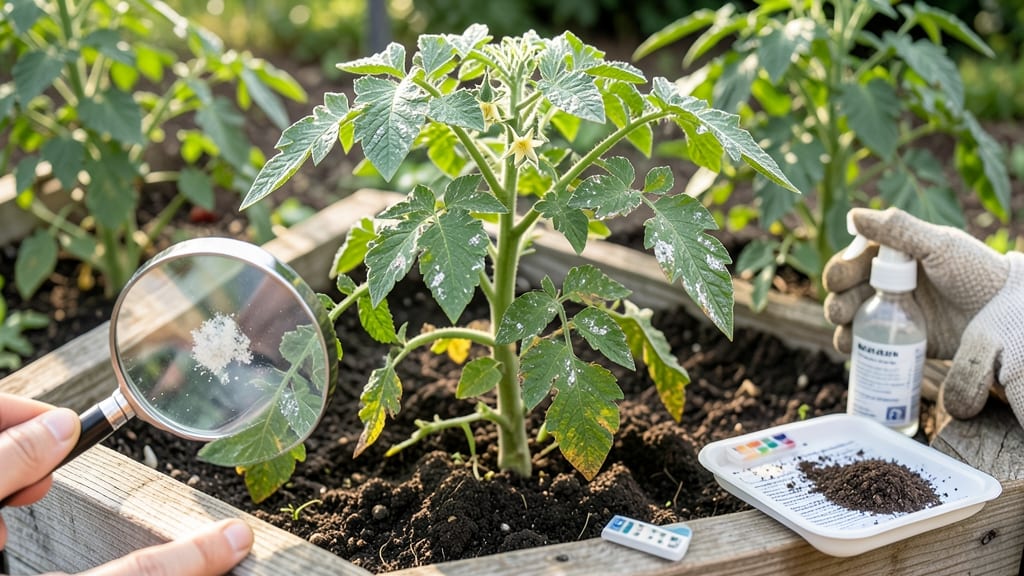
When your tomato plants turn white, it’s usually a fungal blight calling for action—not panic. 🌱 I’ve battled powdery mildew and bacterial spots on my own plants, and the key is catching it early with simple, organic fixes that work without harsh chemicals.
The first step is identifying whether those white patches are fuzzy (powdery mildew) or water-soaked (bacterial spot), because the solutions differ slightly.
Most white discoloration starts with poor air circulation or wet foliage—common mistakes when plants get too crowded or watered from above. My biggest breakthrough? Spacing plants 18-24 inches apart and watering at the base in the morning (never at night) cut my fungal issues by 80% in one season.
A quick spray of baking soda solution (1 teaspoon per quart of water with a drop of dish soap) also stops powdery mildew in its tracks.
Within 5-7 days of treatment, you’ll see new growth pushing through clean, green leaves. The plants won’t just survive—they’ll rebound with stronger stems and more fruit than ever.
The best part? These fixes work for all tomato varieties, from heirlooms to cherry tomatoes, and keep your harvest safe for the table.
If the white patches keep coming back, it’s time to rotate crops next season and add companion plants like basil or marigolds—they naturally repel fungal spores. Trust me, your tomatoes will thank you with juicier, disease-free fruit by summer’s end.
Why it happens
When your tomato plants start showing white, powdery patches or fuzzy growth, it’s usually a sign of fungal infection—most commonly powdery mildew or early blight. These issues don’t just appear out of nowhere; they’re triggered by a mix of environmental stress, poor garden hygiene, and plant vulnerability.
Let’s break down the top reasons your tomatoes are turning white and why fungi love to throw a party on your leaves.
🌡️ Poor Air Circulation & Humidity Spikes
Fungi thrive in stagnant, damp conditions. When tomato plants are crowded—whether in containers, greenhouses, or dense garden beds—their leaves brush against each other, trapping moisture. This creates the perfect fungal buffet:
- High humidity (above 75%) gives spores a moisture-rich environment to germinate.
- Slow-drying foliage (especially after watering or rain) keeps spores active longer.
- Overhead watering splashes spores from soil onto leaves, accelerating spread.
Pro tip: 💡 Aim for 3–5 feet of spacing between tomato plants and prune lower leaves to improve airflow. If using containers, ensure they have drainage holes and avoid watering at dusk.
🍄 Fungal Spores Hanging Around
Fungal spores are everywhere—in soil, old plant debris, and even on tools. The white powder you see? That’s conidia, the reproductive spores of powdery mildew (Oidium spp.) or Alternaria solani (early blight). Here’s how they invade:
- Infected plant debris: Leaving last year’s tomato stems or mulch in the soil keeps spores alive and ready to reinfect.
- Contaminated tools/garden gloves: Moving spores from one plant to another (even accidentally).
- Wind or water spread: Spores hitch rides on breezes or rain splash to fresh leaves.
Pro tip: 🔥 Sterilize tools with a 10% bleach solution (1 part bleach to 9 parts water) between uses. Remove and compost or burn infected plant material far from your garden.
🌱 Weakened Plants From Stress
Healthy tomato plants resist fungi better than stressed ones. When your tomatoes are struggling, they become fungal magnets. Common stressors include:
| Stressor | How It Helps Fungi |
|---|---|
| Nutrient deficiencies (especially potassium or nitrogen) | Weak cell walls make it easier for fungal hyphae to penetrate leaves. |
| Over/under-watering | Drought stress weakens roots, while waterlogged soil invites root rot, which indirectly stresses the plant. |
| Extreme temperatures (too hot or cold) | Tomatoes slow growth in heatwaves or cool snaps, making them more susceptible to infections. |
| Pests (like aphids or spider mites) | These damage leaves, creating entry points for fungi. Plus, they excrete honeydew, which feeds sooty mold (another white-gray fungus). |
Pro tip: 🌡️ Monitor soil moisture (keep it consistently damp but not soggy) and use balanced fertilizer (like 10-10-10) every 3–4 weeks. Neem oil can help deter pests before they stress your plants.
🌧️ Rain & Overhead Watering Habits
While tomatoes need water, wet leaves for long periods are a fungal paradise. Here’s why:
- Rainwater splashes spores from soil onto leaves, starting new infections.
- Morning dew combined with poor airflow keeps leaves damp all day.
- Overhead irrigation (like sprinklers) mimics rain, promoting fungal growth.
Pro tip: ✨ Water at the base using drip irrigation or soaker hoses early in the morning so leaves dry by afternoon. If using a hose, aim for the soil and avoid wetting foliage.
Quick Fixes for Blighted Tomatoes
Now that you know why your tomato plants are turning white—whether from fungal blight, environmental stress, or pests—it’s time to take action. The good news? Most issues can be reversed with simple, garden-friendly solutions.
Below, we’ve mapped out practical fixes for each common cause, plus prevention tips to keep your plants thriving.
If white mold, spots, or powdery residue are the culprits, act fast—fungal blight spreads quickly and can devastate your harvest.
🔥 Step 1: Prune Infected Leaves
- 👨🍳 Snip away any leaves, stems, or fruit showing white fuzz, spots, or discoloration using sterilized pruners (wipe with rubbing alcohol between cuts).
- 🗑️ Dispose of infected plant material in the trash (not compost)—fungus can survive in soil.
🍳 Step 2: Apply Fungicide
- 🌿 Organic option: Mix 1 tbsp baking soda + 1 tsp dish soap + 1 gallon water, then spray on leaves (test on a small area first).
- 💊 Chemical option: Use a copper-based fungicide (like Bordeaux mixture) for severe cases—follow label instructions.
- ⏰ Reapply every 7–10 days or after rain to maintain protection.
🥘 Step 3: Improve Airflow & Light
- 🌬️ Space plants 18–24 inches apart to reduce humidity buildup.
- ☀️ Ensure 6–8 hours of sunlight daily—fungus thrives in shady, damp conditions.
💡 Prevention Tip: Plant garlic, marigolds, or basil nearby—they naturally repel fungi and pests!
If white patches appear due to temperature swings, your plants need immediate relief to avoid sunburn or chilling damage.
🌞 Protect from Scorching Heat
- 🏆 Install shade cloth (30–50% coverage) if temps exceed 90°F (32°C).
- 💦 Water deeply in the morning to cool leaves (avoid evening watering—it encourages fungus).
❄️ Safeguard from Cold Snaps
- 🛡️ Use row covers or frost blankets if temps drop below 50°F (10°C).
- 🌱 Move potted tomatoes to a sheltered spot overnight.
🎯 Prevention Tip: Choose heat-tolerant varieties like ‘Solar Fire’ or ‘Heatmaster’ for hot climates.
If tiny insects (like spider mites or aphids) are sucking sap and causing white webbing or stippling:
🕷️ Remove Pests Manually
- 👨🍳 Blast off pests with a strong spray of water (early morning works best).
- 🕸️ Wipe leaves with a damp cloth dipped in soapy water (1 tsp mild soap per quart of water).
🌿 Use Natural Repellents
- 🌼 Spray neem oil (1 tbsp neem oil + 1 tsp dish soap + 1 quart water) weekly.
- 🐝 Encourage ladybugs—they devour aphids! Plant dill or fennel to attract them.
✨ Prevention Tip: Interplant with onions or chives—their strong scent deters pests!
White, mushy leaves or stems often signal root rot from soggy soil.
🚰 Fix Drainage Issues
- 🏗️ Amend soil with compost or perlite to improve aeration.
- 🚽 Check pots—ensure they have drainage holes and a tray underneath.
💦 Water Smarter
- 🌧️ Water at the base (not overhead) to prevent fungal splash.
- 📊 Let the top 1–2 inches of soil dry between waterings—stick your finger in to test!
🔥 Prevention Tip: Mulch with straw to retain moisture without drowning roots.
- 🌿 Fertilize lightly with a balanced 10-10-10 or fish emulsion to boost recovery.
- 🍅 Prune suckers (side shoots) to redirect energy to fruit production.
- 🌱 Rotate crops next season—don’t plant tomatoes in the same spot yearly.
Remember: The key to saving your tomatoes is early action. Once you spot white patches, isolate affected plants, treat aggressively, and prevent future outbreaks with better care. With these fixes, your plants should bounce back—and you’ll be on your way to a bountiful, blight-free harvest! 🍅🌟
Frequently asked questions
What’s the difference between powdery mildew and bacterial spot on tomato leaves?
Powdery mildew appears as white, powdery patches on leaf surfaces, while bacterial spot shows up as water-soaked, white or brown spots with yellow halos. Powdery mildew thrives in dry, humid conditions, while bacterial spot needs wet foliage to spread. Check undersides of leaves—powdery mildew is often fuzzy, while bacterial spots may ooze when wet.
Can I still eat tomatoes from plants with white fungus?
Only if the white spots are only on leaves and haven’t spread to fruit. Remove all infected leaves immediately, and avoid eating tomatoes from plants with stem or fruit infections—some fungal spores can contaminate the fruit. When in doubt, toss the whole plant and start fresh with disease-resistant varieties next season.
How often should I spray my tomato plants to prevent white fungus?
Apply preventive sprays every 7–10 days during humid weather or after rain. Use a baking soda solution (1 tbsp baking soda + 1 tsp dish soap per gallon of water) or neem oil (1 tbsp per quart). Spray in the early morning so leaves dry quickly—this prevents fungal spores from settling.
Will removing infected leaves stop the spread of white fungus?
Yes, but it’s only 50% of the solution. Remove all infected leaves immediately and sterilize your pruners between cuts. Combine this with improved airflow (space plants 18–24 inches apart) and targeted fungicide (like copper spray) to fully break the fungal cycle. Without these extra steps, spores will linger in your garden.
Are some tomato varieties more resistant to white fungal issues?
Look for disease-resistant hybrids labeled VFN (resistant to verticillium wilt, fusarium wilt, and nematodes) or PM (powdery mildew resistant). Top picks include ‘Defiant PhR,’ ‘Mountain Merit,’ and ‘Bush Early Girl.’ These varieties won’t eliminate fungus entirely, but they’ll delay outbreaks and reduce severity.