
How To
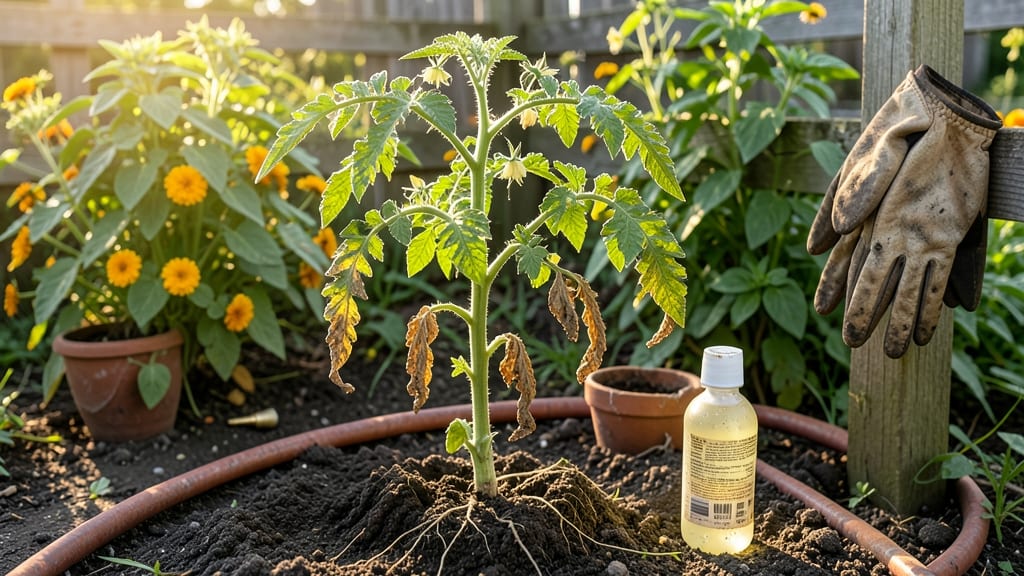
What causes tomato wilt doesn’t always mean your plants are doomed—it's often a fixable signal. 🌱 I've seen wilting tomatoes recover when I caught the problem early, whether it was hidden pests or a simple watering mistake. The key is knowing what to look for beyond the drooping leaves.
Most wilting happens from three big groups: diseases like Fusarium or Verticillium (which clog plant veins), pests that suck out moisture, or environmental stress from too much or too little water. The good news? You can spot the difference by checking stems, leaves, and soil moisture—no fancy tools needed.
Once you identify the cause, solutions are straightforward: prune diseased stems, adjust watering, or introduce beneficial insects. I've saved entire plants by acting within 24 hours of noticing wilting, and you can too with these targeted fixes.
Prevention starts with healthy soil, proper spacing, and monitoring your plants daily. The best cure is a thriving plant that never gets stressed in the first place—here's how to keep yours strong all season.
Understanding Tomato Wilt Causes
Tomato wilt is a frustrating sight for gardeners—one day your plants are thriving, and the next, their leaves droop like they’ve lost all their energy. But why does this happen? Let’s break down the real culprits behind tomato wilt, explained in simple, actionable terms.
Fungal infections are among the most common causes of tomato wilt, often spreading rapidly in warm, humid conditions. Two notorious offenders are:
- Fusarium Wilt: This soil-borne fungus clogs the plant’s xylem vessels (the plant’s water transport system), cutting off nutrient and water flow. Look for yellowing leaves, wilting starting at the bottom, and a vascular discoloration (brown streaks) when you cut open the stem.
Once established, it’s nearly impossible to cure—prevention is key.
- Verticillium Wilt: Similar to Fusarium, this fungus attacks the xylem, causing uneven wilting (one side of the plant may droop before the other). Infected plants often show yellowing between leaf veins and may recover slightly at night before wilting again in the heat.
💡 Pro Tip: Rotate crops annually to starve fungi of their host, and avoid overhead watering to reduce spores splashing onto leaves.
Bacteria like Ralstonia solanacearum (bacterial wilt) thrive in warm, moist soils and can spread through contaminated tools, water, or even infected transplants.
Symptoms include: - Sudden wilting (often in the morning, even after a good night’s rest). - Water-soaked, brown streaks inside stems when sliced open. - Oozing bacterial slime from cut stems.
Unlike fungal wilts, bacterial wilt spreads aggressively and can kill plants in days. Remove infected plants immediately and disinfect tools with 70% rubbing alcohol or bleach solution (1 part bleach to 9 parts water).
Tomatoes need consistent moisture, but too much water suffocates roots by cutting off oxygen. This leads to Pythium or Phytophthora root rot, where roots turn black, mushy, and decayed.
Signs include: - Wilting despite wet soil (stick your finger in the dirt—if it’s soggy, you’re overwatering). - Yellowing leaves starting at the bottom. - Stunted growth or a foul smell from the roots.
✨ Fix It: Improve drainage by amending soil with compost or perlite, water deeply but only when the top 1–2 inches of soil are dry, and avoid waterlogging with raised beds or containers.
Tomatoes are sensitive to extreme conditions, and sudden changes can trigger wilting:
- Heat Stress: When temperatures exceed 90°F (32°C), tomatoes close their stomata (pores) to conserve water, causing leaves to wilt temporarily. Mulch heavily and provide afternoon shade to help plants recover. - Drought Stress: Even a few days of dry soil can cause permanent wilting.
Tomatoes have shallow roots early on, so water deeply 1–2 times per week (more in extreme heat). - Cold Damage: A late frost or chilly nights can shock the plant, causing leaves to droop. Use row covers or black plastic mulch to protect young plants.
A lack of key nutrients can weaken tomatoes, making them susceptible to wilting. Watch for these signs:
| Nutrient Deficiency | Symptoms | Solution |
|---|---|---|
| Potassium (K) | Yellowing leaf edges, weak stems | Add potassium-rich fertilizer (like banana peel tea or greensand) |
| Magnesium (Mg) | Yellow patches between leaf veins (interveinal chlorosis) | Apply Epsom salt (1 tbsp per gallon of water) as a foliar spray |
| Calcium (Ca) | Blossom-end rot (black, sunken spots on fruit) + wilting | Use crushed eggshells or calcium nitrate in soil |
💡 Pro Tip: Conduct a soil test every 2–3 years to identify deficiencies before they cause wilting.
Sap-sucking pests like aphids, spider mites, or whiteflies drain nutrients from tomato plants, leading to stunted growth and wilting. Look for:
- Sticky residue (honeydew) on leaves.
- Yellowing or curled leaves.
- Visible pests on stems or undersides of leaves.
🔥 Combat Them: Spray plants with neem oil or insecticidal soap, and introduce beneficial predators like ladybugs or lacewings.
Even minor injuries can stress tomatoes, making them wilt:
- Wind or Hail Damage: Bruised stems or torn leaves disrupt water uptake.
- Poor Pruning: Over-pruning removes too much foliage, reducing the plant’s ability to photosynthesize.
- Transplant Shock: Moving tomatoes too early or disturbing roots can cause temporary wilting (usually recovers in 1–2 weeks).
👨🍳 Prevention: Stake or cage plants to protect from wind, prune only 1/3 of the plant at a time, and harden off seedlings before transplanting.
Over-fertilizing—especially with high-nitrogen or salt-based fertilizers—can burn roots and cause wilting. Symptoms include:
- Crispy leaf edges (fertilizer burn).
- Wilting despite moist soil.
- White crust on soil surface (excess salt).
⏰ Solution: Flush soil with water, avoid synthetic fertilizers, and use compost or organic matter instead.
Viruses like Tomato Mosaic Virus (ToMV) or Tomato Yellow Leaf Curl Virus (TYLCV) are spread by aphids or infected seeds/grafts. Infected plants show:
- Mottled, yellow, or distorted leaves.
- Stunted growth and premature wilting.
- Reduced fruit production.
🎯 Prevention: Remove infected plants immediately, use aphid-resistant varieties, and sterilize tools between uses.
Tomato wilt is rarely just one issue—multiple factors often combine (e.g., fungal infection + drought stress). The first step to fixing it? Identify the root cause (literally!) by checking stems, soil, and leaves. Once you know what’s wrong, you can act fast to save your plants.
🚨 Need Help Diagnosing? Grab a magnifying glass, inspect your plants, and match symptoms to the list above. Your tomatoes will thank you!
Fixing Wilted Tomatoes Fast
Now that you’ve identified the root cause of your tomato plant’s droop, it’s time to take action! Whether it’s a fungal infection, pest invasion, or environmental stress, these targeted solutions will help revive your plants and prevent future wilting.
Below, we’ve matched each cause to a practical fix—plus pro tips to keep your tomatoes thriving.
Fix: Act fast—fungal wilting spreads quickly!
- 🍄 Remove infected leaves with clean pruners (sterilize with rubbing alcohol between cuts).
- 🌧️ Improve airflow by spacing plants 18–24 inches apart and pruning crowded foliage.
- 💧 Water at the base (avoid overhead watering) and 🌞 water in the morning so leaves dry quickly.
- 🛡️ Apply fungicides like copper spray, neem oil, or baking soda mix (1 tbsp baking soda + 1 quart water + a few drops of dish soap) every 7–10 days.
- 🌱 Rotate crops next season—don’t plant tomatoes, peppers, or eggplants in the same spot.
Prevention Tip: 💡 Mulch heavily (2–3 inches of straw or grass clippings) to block spore splash from soil.
Fix: Crush, spray, or trap—your choice!
- 🔥 Handpick pests (especially hornworms) and drop them in soapy water.
- 🍳 Spray with neem oil (mix 1 tbsp neem oil + 1 tsp dish soap + 1 quart water) or 🌿 insecticidal soap (follow label rates).
- 👨🍳 Introduce beneficial insects: Ladybugs, lacewings, or parasitic wasps (available at garden centers).
- 🥘 Use row covers early in the season to block pests before they arrive.
Prevention Tip: 🌡️ Monitor plants daily—early detection = easier fixes!
Fix: Balance is key—don’t drown or dehydrate your tomatoes!
- 💧 Check soil moisture by sticking your finger 1–2 inches deep. Water only if dry.
- 🏞️ Use drip irrigation or soaker hoses to deliver water directly to roots (no waste!).
- ⏰ Water deeply but infrequently—tomatoes prefer 1–2 inches of water per week (adjust for heat).
- 🌱 Improve drainage by amending soil with compost or perlite if water pools after rain.
Prevention Tip: ✨ Mulch around plants to retain moisture and regulate soil temperature.
Fix: Shield your plants from extreme temps!
- 🌞 For heat stress: Provide shade cloth (30–50% coverage) during peak afternoon sun. 💦 Mist leaves lightly in extreme heat (early morning only).
- ❄️ For cold stress: Cover plants with frost blankets or row covers if temps dip below 50°F (10°C). 🔥 Use black plastic mulch to warm soil faster in spring.
- 🌱 Choose heat-tolerant varieties like ‘Heatmaster’ or ‘Solar Fire’ for hot climates.
Prevention Tip: 🎯 Plant in late spring (after last frost) for cooler climates.
Fix: Give those roots room to breathe!
- 🔪 Prune back dead roots if repotting (gently tease out compacted soil).
- 🌱 Repot in fresh, well-draining mix (50% potting soil + 50% perlite or vermiculite).
- 🏗️ Loosen soil around the base with a fork if compacted (avoid damaging roots).
- 🚰 Ensure pots have drainage holes—no exceptions!
Prevention Tip: 💡 Raise containers on pot feet or bricks to prevent waterlogging.
Fix: Feed your tomatoes the right way! - 📊 For calcium deficiency (blossom end rot): Sprinkle crushed eggshells or gypsum around the base.
Use a balanced fertilizer (like 10-10-10) every 2–3 weeks. - 💪 For nitrogen deficiency (yellow leaves): Add compost or fish emulsion for a quick green-up. - 🥗 Avoid over-fertilizing—too much salt burns roots!
Prevention Tip: 🌿 Side-dress with compost mid-season for steady nutrients.
Fix: Outsmart the critters!
- 🛡️ Use physical barriers: Chicken wire around plants or fencing (at least 3 feet tall for deer).
- 🌿 Plant repellent herbs like basil or marigolds nearby.
- 🍎 Spray with hot pepper wax (mix cayenne pepper + wax + water) to deter chewers.
Prevention Tip: ⏰ Harvest frequently—overripe tomatoes attract animals!
- 🌱 Trim back severely wilted stems to redirect energy to healthy growth.
- 💧 Give a deep watering (even if soil seems moist) to rehydrate roots.
- 🌞 Move plants to partial shade for 1–2 days to reduce stress.
- 🛡️ Boost immunity with a seaweed extract spray (follow package rates).
Final Pro Tip: 🌟 Keep a garden journal—note what worked (and what didn’t) to adjust next season! With these fixes, your tomatoes should perk up in 3–7 days (fungal issues may take longer). Happy growing! 🍅✨
Frequently asked questions
Why do my tomato plants wilt in the morning but recover by afternoon?
This is often a sign of bacterial wilt (like Ralstonia solanacearum) or heat stress. Bacterial wilt causes sudden morning wilting because bacteria clog the plant’s water transport system overnight. Heat stress makes leaves wilt temporarily when temperatures exceed 90°F (32°C). Check stems for brown streaks (bacterial wilt) or provide afternoon shade if it’s too hot.
Can I save a tomato plant with fungal wilt like Fusarium?
Unfortunately, once a plant has Fusarium or Verticillium wilt, there’s no cure—these fungi permanently clog the plant’s vascular system. Your best options are: remove the infected plant immediately to prevent spread, sterilize tools with rubbing alcohol, and rotate crops next season (avoid planting tomatoes, peppers, or eggplants in the same spot for 3+ years).
How do I tell if my wilting tomatoes need more or less water?
Stick your finger 1–2 inches deep into the soil—if it’s dry, water deeply. If it’s soggy, you’re overwatering. Wilting with dry soil = thirsty plants. Wilting with wet soil = root rot from overwatering. For tomatoes, aim for 1–2 inches of water per week, delivered at the base (not overhead) to prevent fungal spores from splashing onto leaves.
Will pruning help my wilted tomato plants recover?
Yes, but only if the wilting isn’t caused by a fungal or bacterial infection. Prune only 1/3 of the plant at a time to reduce stress, focusing on yellow or diseased leaves. This improves airflow and redirects energy to healthier growth. For environmental stress (like drought or heat), pruning can help the plant recover faster by reducing water loss. Always sterilize pruners with rubbing alcohol between cuts!
Can I still harvest tomatoes from a wilted plant?
Yes, but prioritize ripe or nearly ripe tomatoes first—they’ll have the best flavor. Avoid harvesting green tomatoes from infected plants (like fungal/bacterial wilt), as they may carry pathogens. For environmental stress (drought, heat), you can harvest all tomatoes, but the plant may not recover. If wilting is due to pests or nutrient deficiency, fixing the issue can often revive the plant for future harvests.