
Companion Plants
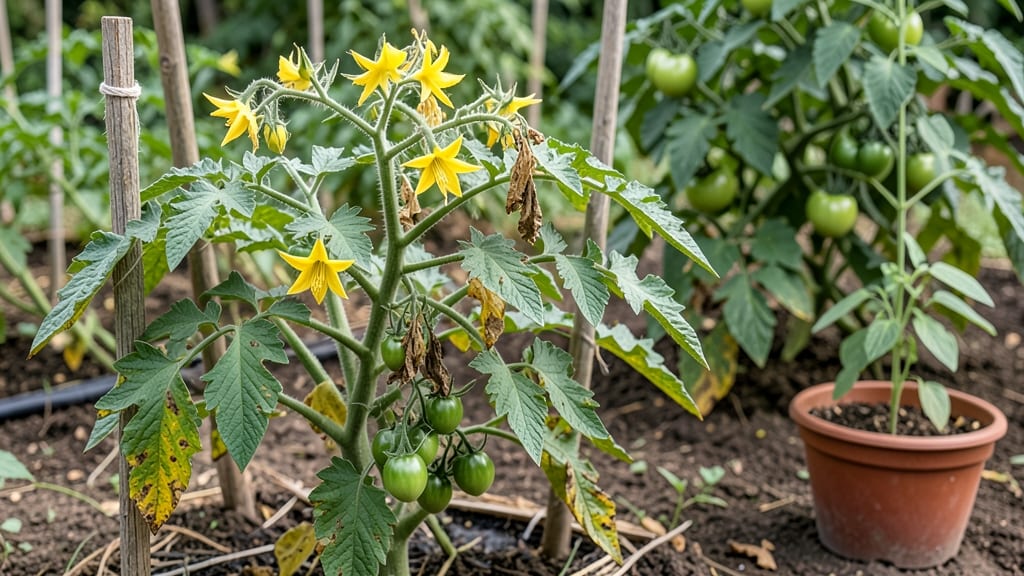
Why are my tomato plants not producing? The frustration of watching strong vines with no tomatoes is real, but I’ve learned the five fixes that actually work, from sunlight adjustments to hidden nutrient issues. Most gardeners miss the basics: tomatoes need 6-8 hours of direct sun, proper pollination, and balanced nutrients. I once thought my plants were fine until I realized they were starving for phosphorus—the key to fruit development. A simple soil test changed everything. You’ll spot the signs quickly: weak stems, yellowing leaves, or flowers that drop without setting fruit. Each issue has a targeted fix, and I’ll walk you through them step by step, so you can go from frustrated to harvesting in weeks. No more guesswork—just actionable steps to turn those blooms into juicy, vine-ripened tomatoes. Let’s get your plants producing!
Why it happens
If your tomato plants are thriving with lush green leaves but stubbornly refuse to produce fruit, the issue likely stems from one or more environmental, physiological, or nutritional roadblocks. Let’s break down the science behind why your plants are playing hard-to-get—and how to fix it.
🌡️ Temperature & Pollination Struggles
Tomatoes are warm-season crops, and they need consistent temperatures between 70°F and 85°F (21°C–29°C) to set fruit. Below 55°F (13°C) or above 95°F (35°C), pollination fails because:
- Cold snaps disrupt pollen tube growth, preventing fertilization. Even a single night below 50°F (10°C) can halt fruit production for weeks.
- Heat stress (above 90°F/32°C) causes pollen to become sterile or flowers to drop before pollinating. This is why afternoon shade cloth can be a game-changer in hot climates.
- Poor pollination: Tomatoes rely on bees, wind, or gentle shaking to transfer pollen. If your plants are isolated or flowers aren’t vibrating (e.g., in greenhouses), pollen sits idle.
Pro Tip: 💡 Hand-pollinate by gently tapping flower clusters with a small stick or your finger in the early morning when humidity is low. For heat stress, use row covers or mulch to stabilize soil temps.
☀️ Light Deficiencies & Weak Growth
Tomatoes are sun worshippers—they need 6–8+ hours of direct sunlight daily. Without enough light:
- Photosynthesis slows, starving the plant of energy to produce fruit. Leaves may turn pale or grow leggy (a sign of "etiolation").
- Flower buds abort before forming, especially in shaded spots under trees or tall plants.
- Weak stems can’t support heavy fruit loads, leading to blossom end rot (a calcium deficiency symptom) even if soil pH is correct.
Quick Fix: 🌞 Move potted tomatoes to sunnier locations or prune nearby shade-casters. If space is limited, use reflective mulch or a small solar reflector to bounce light onto plants.
💧 Watering Woes & Nutrient Imbalances
Tomatoes are thirsty but particular—over- or under-watering throws off their delicate balance. Here’s how it backfires:
| Issue | Effect on Fruit | Fix |
|---|---|---|
| Inconsistent watering (drought → flood) | Flower drop (abscission) due to hormonal stress; uneven calcium uptake → blossom end rot. | Water deeply 1–2x/week (1–1.5 inches) at soil level, not leaves. Use drip irrigation for precision. |
| Overwatering (soggy soil) | Root rot blocks nutrient absorption; flowers turn brown and fall off. | Ensure pots have drainage holes; amend clay soil with perlite or compost. |
| Nitrogen-heavy fertilizer | Plants prioritize leafy growth over fruit (think: "all foliage, no romance"). | Switch to a balanced 5-10-10 or 10-20-20 fertilizer at first sign of flowers. Add phosphorus (via bone meal) to boost blooming. |
Pro Tip: 🌡️ Monitor soil moisture with a finger—top 1–2 inches should be dry before watering. Mulch with straw to retain moisture and regulate temps.
🌱 Stress From Transplant Shock or Overcrowding
Tomatoes hate competition and abrupt changes. Common stressors include:
- Transplant shock: Roots damaged during moving trigger a survival response—new growth halts, and flowers abort.
- Overcrowding: Plants competing for nutrients and light produce small, sparse fruit. Vines also spread diseases faster.
- Root-bound pots: Circling roots can’t absorb enough water/nutrients, stunting fruit set.
Action Steps:
- ⏰ Wait 1–2 weeks after transplanting before fertilizing—let roots recover first.
- 🌿 Prune lower leaves to improve airflow and redirect energy to fruit-bearing branches.
- 📏 Space plants 18–24 inches apart (or 2–3 feet for indeterminate varieties). Use cages or stakes to train vines upward.
🐞 Pests & Diseases Sabotaging Blooms
Hidden invaders can devour flowers or block nutrient flow before fruit forms. Watch for:
- Hornworms: These green caterpillars eat entire flower clusters overnight. Look for black "horns" on stems.
- Aphids: Cluster on new growth, sucking sap and transmitting viruses that stunt flowering.
- Blossom end rot (fungal/bacterial): Caused by irregular watering + calcium deficiency, leading to black, sunken spots on fruit.
- Whiteflies or spider mites: Stress plants with their feeding, causing premature flower drop.
Defense Plan:
- 🔥 Handpick pests in the morning (drop into soapy water). Use neem oil for aphids.
- 🌡️ Spray with water to dislodge pests; repeat every 3–4 days.
- 💪 Prevent blossom end rot with 1 tbsp calcium (crushed eggshells or gypsum) per plant weekly.
Fixing Your Tomato Plants Now
Revitalizing your tomato plants and getting them back on track to produce juicy, flavorful fruit is totally doable—even if they’ve been struggling. Below, we’ve mapped out practical, step-by-step solutions for each common cause, along with prevention tips to keep your plants thriving long-term. Let’s get those tomatoes growing!
Problem: If your plants aren’t getting 6–8 hours of direct sunlight daily, they’ll focus on leafy growth instead of fruiting.
How to Fix It: 🔥 Move Them to a Sunnier Spot
- Shift potted plants to a south-facing window or balcony.
- For garden beds, trim nearby tall plants (like corn or sunflowers) blocking sunlight.
- Extend daylight with a grow light (LED or fluorescent) for 12–14 hours/day if needed.
🍳 Adjust Plant Spacing
- Overcrowded plants steal sunlight from each other. Thin seedlings to 18–24 inches apart for better airflow and light exposure.
👨🍳 Prevention Tips:
- Plant in the right location from the start—tomatoes hate shade.
- Avoid planting under trees or near structures that cast long shadows.
- Use reflective surfaces (like white mulch or mirrors) to bounce extra light onto plants.
Problem: Underwatering or overwatering stresses plants, leading to blossom drop or stunted fruit.
How to Fix It: 🔥 Water Deeply & Regularly
- Water at the base (not leaves) 1–2 inches deep, 1–2 times per week (adjust for heat/drought).
- Use a soaker hose or drip irrigation to keep soil evenly moist (not soggy).
🍳 Check Soil Moisture
- Stick your finger 1–2 inches into the soil—if it’s dry, water. If it’s muddy, cut back to prevent root rot.
👨🍳 Prevention Tips:
- Mulch heavily (straw, grass clippings) to retain moisture and regulate temperature.
- Water in the morning to reduce evaporation and fungal risks.
- Avoid wetting leaves to prevent diseases like blight.
Problem: Cold nights, heatwaves, or poor pollination can cause flowers to drop before fruiting.
How to Fix It: 🔥 Protect from Extreme Heat/Cold
- Shade cloth (30–50%) can save plants from heat stress (above 90°F).
- Row covers or cloches (bell jars over plants) protect from frost (below 55°F).
🍳 Hand-Pollinate Flowers
- Gently shake plants in the morning when flowers are open.
- Use a small brush to transfer pollen from one flower to another (works for greenhouse tomatoes).
👨🍳 Prevention Tips:
- Plant heat-tolerant varieties (like ‘Solar Fire’ or ‘Heatmaster’) if you live in a hot climate.
- Avoid over-fertilizing with nitrogen—it promotes leaves over flowers.
- Plant near pollinator-friendly flowers (marigolds, basil) to attract bees.
Problem: Too much nitrogen = leafy growth, no fruit. Too little phosphorus/potassium = weak flowers.
How to Fix It: 🔥 Fertilize for Fruit, Not Leaves
- Switch to a balanced fertilizer (like 5-10-10) or a tomato-specific feed high in phosphorus (P) and potassium (K).
- Avoid high-nitrogen fertilizers (like lawn food) after flowering starts.
🍳 Boost Soil with Organic Amendments
- Crushed eggshells (for calcium) prevent blossom end rot.
- Banana peels (buried near roots) add potassium for better fruit development.
- Compost or worm castings improve microbiome health, helping roots absorb nutrients.
👨🍳 Prevention Tips:
- Test your soil before planting—know what’s missing!
- Side-dress with compost every 3–4 weeks for a steady nutrient supply.
- Rotate crops to prevent nutrient depletion.
Problem: Pests (aphids, hornworms) or diseases (blight, wilt) sap energy, reducing fruit production.
How to Fix It: 🔥 Remove Pests Manually
- Handpick hornworms (they’re camouflaged—look for black stripes!).
- Spray soapy water (1 tsp mild soap per quart of water) on aphids/mites.
- Introduce beneficial insects (ladybugs, lacewings) to control pests naturally.
🍳 Prevent & Treat Diseases
- Prune infected leaves (especially with early blight or powdery mildew).
- Spray neem oil (preventative) or copper fungicide (for blight) every 7–10 days.
- Rotate planting locations to avoid soil-borne diseases.
👨🍳 Prevention Tips:
- Plant companion plants (basil, marigolds, onions) to repel pests.
- Avoid overhead watering to keep leaves dry.
- Choose disease-resistant varieties (like ‘Celebrity’ or ‘Mountain Merit’).
- Prune suckers (shoots in the leaf axils) to direct energy to fruit, not extra foliage.
- Remove lower leaves to improve airflow and prevent soil-borne diseases.
Your turn! Pick the biggest issue your tomato plants are facing and tackle it first. With these fixes, you’ll be harvesting plump, ripe tomatoes in no time—and maybe even sharing them with neighbors! 🍅😉
Frequently asked questions
Why do my tomato plants have lots of leaves but no flowers?
Too much nitrogen in your soil or fertilizer causes leafy growth at the expense of flowers. Tomatoes need a balanced fertilizer (like 5-10-10) when they start flowering. Switch to phosphorus-rich amendments (bone meal) to encourage blooms instead of foliage.
How do I know if my tomato plants aren't getting enough sunlight?
Check for pale, leggy stems and leaves growing toward the light source—this is called etiolation. Tomatoes need 6-8 hours of direct sun daily. Move potted plants to sunnier spots or trim nearby shade-casters. If indoors, supplement with grow lights.
Can I still save my tomato plants if they've stopped flowering?
Yes! First, check for stress factors like pests, disease, or inconsistent watering. Prune any damaged leaves and switch to a phosphorus-rich fertilizer (like 10-20-20). Hand-pollinate flowers by gently shaking plants in the morning when humidity is low.
Why are my tomato flowers falling off before turning into fruit?
This "flower drop" usually means temperature stress (below 55°F or above 90°F) or poor pollination. Use shade cloth for heat stress and row covers for cold nights. For pollination, gently tap flower clusters with a small stick or attract bees with companion plants like marigolds.
How often should I fertilize tomato plants once they start flowering?
Feed every 2-3 weeks with a balanced fertilizer (like 5-10-10) or tomato-specific formula. Avoid high-nitrogen fertilizers after flowering begins—they promote leaves instead of fruit. Organic options like compost tea or fish emulsion work well too.