
Plants
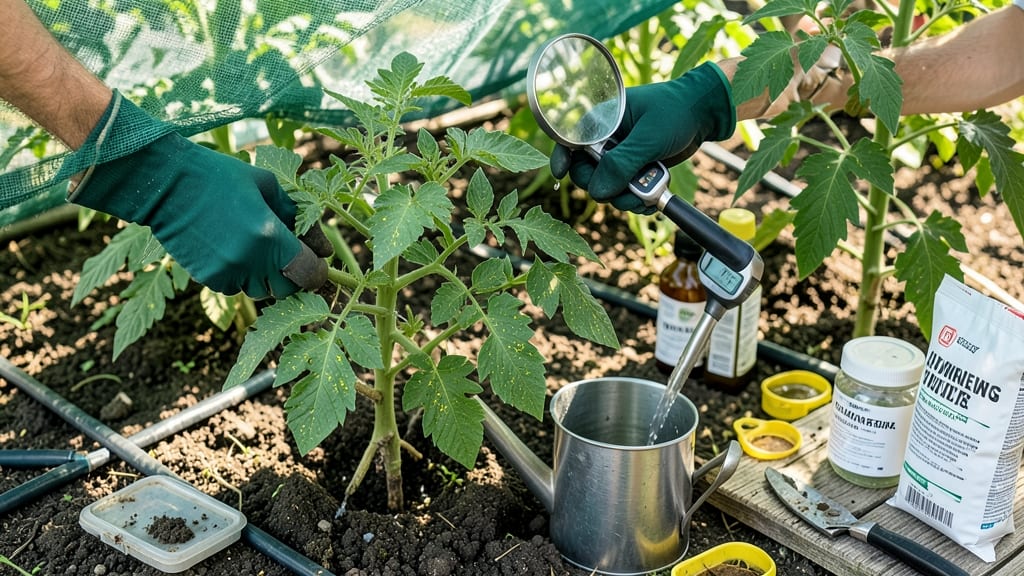
Your tomato plants might look wilted, but the good news is most fixes take under 10 minutes. 🌱 I’ve seen gardeners panic over drooping leaves—only to realize it was something simple like watering too much or too little.
The key is diagnosing the type of wilt: Is it temporary (like heat stress) or permanent (like disease)? We’ll cut through the guesswork with quick checks and fixes.
Start by feeling the soil—dry 2 inches down means underwatering, while soggy soil signals overwatering or root rot. Check the stems for soft spots (root rot) or sticky residue (aphids).
If the wilt happens in the afternoon heat, your plants just need shade. Most wilting fixes begin with these three steps: water correctly, inspect for pests, and protect from extreme heat.
You’ll revive your plants fast with targeted fixes: deep watering for thirsty roots, neem oil spray for pests, or mulch to retain moisture. Even diseased plants can recover if caught early—prune affected leaves and boost airflow.
The goal isn’t just to stop the wilt but to prevent it next season with smarter watering and shade strategies.
No need to yank out your plants yet—90% of wilting is reversible with the right approach. We’ll cover each cause in detail, so you’ll know exactly what to do the next time your tomatoes droop. Let’s get those leaves perky again.
Root Causes Behind Wilting
Wilting tomato plants can feel like a gardener’s worst nightmare—one day your plants are thriving, and the next, they’re drooping like overcooked pasta. 🍅😬 But before you panic, let’s break down the real reasons your plants might be struggling, so you can diagnose (and fix!) the issue fast.
Tomatoes need consistent moisture, but too much water can suffocate roots by cutting off oxygen. When soil stays soggy, roots can’t absorb nutrients or water efficiently, leading to wilting—even if the soil looks wet.
Poor drainage (like heavy clay soil or compacted beds) makes this worse by trapping excess water around roots.
How to spot it:
- Yellowing leaves (not just wilting)
- Mushy, dark roots when checked
- Water pooling on the soil surface after watering
Quick fix: Let the top 1–2 inches of soil dry out between waterings, and amend heavy soil with compost or perlite to improve drainage.
Tomatoes are heat-loving but can’t handle scorching sun or sudden temperature drops. When daytime temps hit 90°F+ (32°C+), plants may wilt temporarily due to transpiration stress—losing more water than they can absorb. Nighttime temps below 50°F (10°C) can also shock roots, causing wilting the next morning.
How to spot it:
- Wilting happens only during peak heat or cold snaps
- Leaves feel dry or crispy (not slimy)
- Plants perk up in cooler evenings or mornings
Quick fix: Provide afternoon shade with a lightweight row cover or mulch heavily to keep roots cool. Water deeply in the early morning to reduce evaporation.
Hidden pests like aphids, spider mites, or whiteflies suck plant sap, weakening stems and causing wilting. Fungal diseases (e.g., early blight, verticillium wilt) can clog vascular tissue, preventing water flow. Even root-knot nematodes (microscopic worms) feed on roots, leaving them unable to support the plant.
How to spot it:
- Sticky residue on leaves (aphids)
- Webbing or tiny dots on undersides (mites)
- Dark, sunken spots on stems or leaves
- Wilting that spreads unevenly (not all leaves at once)
Quick fix: Spray plants with neem oil for pests or apply copper fungicide for disease. For nematodes, solarize soil (cover with clear plastic for 4–6 weeks in hot weather).
Tomatoes need 1–2 inches of water per week, but inconsistent watering (or roots bound in small pots) can’t keep up with demand.
When soil dries out too much, roots shrink away from the pot walls, reducing their ability to absorb water—leading to sudden wilting, even if you just watered!
How to spot it:
- Soil pulls away from pot edges (if potted)
- Wilting starts at the edges of leaves and moves inward
- Leaves feel paper-dry when touched
Quick fix: Water deeply and slowly (10–15 minutes) until it runs out the drainage holes. For container plants, upgrade to a larger pot (5+ gallons for mature plants).
Too little potassium or magnesium weakens cell structure, while excess salt (from over-fertilizing) burns roots, preventing water uptake. Wilting from nutrient issues often comes with yellowing between leaf veins (magnesium deficiency) or purple stems (phosphorus deficiency).
How to spot it:
- Wilting paired with yellow or brown leaf edges
- Slow growth despite regular watering
- Crusty white residue on soil (over-salting)
Quick fix: Flush soil with water for 10 minutes to leach excess salts, then feed with a balanced fertilizer (like 10-10-10) or Epsom salt (1 tbsp per gallon of water) for magnesium.
Pro Tip: 💡 Check the time of day! Wilting in late afternoon often means water stress (fix with shade/mulch), while morning wilting could signal overnight pest/disease damage (inspect leaves closely).
Quick Fixes for Reviving Wilted Tomato Plants
Now that you’ve identified why your tomato plants are wilting, let’s tackle the solutions—tailored to each cause—so you can get your plants back to thriving in no time. 🌱✨ Below are practical, step-by-step fixes to restore vigor, plus prevention tips to keep future wilting at bay.
Signs: Yellowing leaves, mushy stems, soil that stays soggy even after watering, or a foul smell.
Step-by-Step Rescue:
- 🔥 Stop Watering Immediately
- Let the soil dry out completely before watering again. Overwatering is the #1 killer of tomato plants—don’t drown them!
- 👨🍳 Repot or Improve Drainage
- If your plants are in containers, repot them into fresh, well-draining soil mixed with perlite or sand (50/50 ratio). Avoid heavy garden soil.
- For in-ground plants, amend the soil with compost and organic matter to improve aeration.
- 🔪 Trim the Damage (If Necessary)
- Use sterilized scissors to cut away any black, mushy stems or leaves. Healthy green tissue should snap, not squish.
- ⏰ Monitor & Adjust Watering
- Water only when the top 1–2 inches of soil are dry. Stick your finger in—if it’s damp, wait! Use a moisture meter for accuracy.
💡 Prevention Tips:
- Pot size matters! Choose containers with drainage holes and avoid overcrowding.
- Mulch wisely: Use straw or wood chips (not plastic) to retain moisture without suffocating roots.
- Avoid evening watering—wet leaves + cool nights = fungal infections.
Signs: Drooping leaves that perk up after watering, crispy edges, or wilting in the heat.
Step-by-Step Rescue:
- 🍳 Deep Watering Technique
- Water slowly and deeply (1–2 gallons per plant) until it drains from the bottom. Repeat every 2–3 days in extreme heat.
- 🌡️ Provide Midday Shade
- Use a shade cloth (30–50%) or move potted plants to a dappled shade spot (like under a tree) for 2–4 hours during peak sun (10 AM–2 PM).
- 🥘 Mulch Like a Pro
- Spread 2–3 inches of organic mulch (straw, grass clippings) around the base to lock in moisture and cool roots.
- 💦 Try the "Soak & Soak" Method
- For severe drought stress, water twice daily (morning + evening) for 3–4 days until leaves recover.
💡 Prevention Tips:
- Water at the base—avoid wetting leaves to prevent disease.
- Group plants together to create a microclimate that retains humidity.
- Use drip irrigation for consistent moisture without overhead spray.
Signs: Chewed leaves, sticky residue (aphids), fungal spots, or wilting despite proper watering.
Step-by-Step Rescue:
- 🔪 Prune & Remove Infested Parts
- Snip off yellowed or spotted leaves and dispose of them (don’t compost!). This stops pests/diseases from spreading.
- 🍳 Natural Pest Control Sprays
- Aphids/Spider Mites: Spray with soapy water (1 tsp mild soap + 1 quart water) or neem oil (1 tbsp oil + 1 tsp soap per quart water).
- Fungal Issues (Early Blight): Apply copper fungicide or a baking soda spray (1 tsp baking soda + 1 quart water + a drop of soap).
- 🌡️ Improve Airflow
- Space plants 18–24 inches apart and prune suckers to allow sunlight and air circulation.
- ⏰ Rotate Prevention
- Crop rotation: Don’t plant tomatoes in the same spot next year.
- Solarize soil (cover with clear plastic for 4–6 weeks in summer) to kill fungal spores.
💡 Prevention Tips:
- Inspect plants weekly—catch pests early!
- Encourage beneficial insects (ladybugs, lacewings) with marigolds or basil nearby.
- Avoid overhead watering—it spreads fungal spores like wildfire.
Signs: Wilting in heatwaves or cold snaps, leaves curling, or plants looking "shocked."
Step-by-Step Rescue:
- 🏠 Create a Sheltered Microclimate
- Use row covers, windbreaks (burlap screens), or a temporary greenhouse for extreme temps.
- 💦 Hydrate During Heatwaves
- Morning watering is key—it gives roots time to absorb moisture before evaporation.
- 🥘 Adjust for Cold Snaps
- Move potted plants indoors (a garage or sunroom) if temps drop below 50°F (10°C).
- Cover in-ground plants with frost blankets at night.
- 🌡️ Mulch Heavily
- Double up on mulch (4–6 inches) to insulate roots from temperature swings.
💡 Prevention Tips:
- Choose heat-tolerant varieties like ‘Heatmaster’ or ‘Solar Fire’ for hot climates.
- Plant in late spring (after last frost) to avoid early-season chills.
- Use black plastic mulch in summer to warm soil and speed up growth.
Signs: Wilting + yellow leaves (nitrogen deficiency), purple stems (phosphorus), or weak stems (potassium).
Step-by-Step Rescue:
- 📊 Test Your Soil
- Grab a DIY soil test kit ($10–$20) or send a sample to your local extension office for a full analysis.
- 🍳 Quick Fix Fertilizer Boost
- For nitrogen (yellow leaves): Use fish emulsion (2 tbsp per gallon of water) or compost tea.
- For potassium (weak stems): Mix wood ash (1 cup per plant) into the soil or use a balanced 5-10-10 fertilizer.
- 🥘 Foliar Feed for Fast Results
- Spray seaweed extract (rich in micronutrients) on leaves for an instant energy boost.
- ⏰ Feed on a Schedule
- Every 2–3 weeks during growing season, use a balanced tomato fertilizer (10-10-10).
💡 Prevention Tips:
- Avoid over-fertilizing—too much salt can burn roots!
- Side-dress with compost halfway through the season for slow-release nutrients.
- Use worm castings for a gentle, nutrient-packed soil amendment.
🎯 Pro Tip: Keep a plant journal! Note when you water, fertilize, and any wilting incidents—it’ll help you spot patterns and prevent future problems.
Frequently asked questions
Why do my tomato plants wilt in the afternoon but look fine in the morning?
This is classic heat stress or transpiration stress. When afternoon temps hit 90°F+ (32°C+), your plants lose more water than roots can absorb. Try providing afternoon shade with a lightweight row cover or mulching heavily to keep roots cool. Water deeply in the early morning to give roots time to hydrate before peak heat.
Can I save a tomato plant with mushy stems and yellow leaves?
That sounds like root rot or overwatering. Stop watering immediately and check if the soil stays soggy. If the stems are mushy when squeezed, prune away affected areas with sterilized scissors and repot in fresh, well-draining soil. For severe cases, you may need to replace the plant—but act fast to prevent spread.
What's the fastest way to revive severely wilted tomato plants?
For drought stress, use the "soak & soak" method: water deeply twice daily (morning + evening) for 3–4 days until leaves perk up. For heat stress, move potted plants to shade and mist leaves lightly (avoid wetting foliage if possible). If roots are healthy, most plants recover within 24–48 hours of proper care.
Why do my potted tomato plants wilt faster than in-ground ones?
Container plants dry out 3x faster than in-ground due to limited soil volume. Check if roots are circling the pot edges—this restricts water uptake. Upgrade to a 5+ gallon pot with drainage holes and use moisture-retentive soil mixed with compost. Water when the top 1–2 inches feel dry, not just the surface.
Is wilting always a sign of trouble, or can it be normal?
Wilting can be temporary during heatwaves or after heavy pruning, but persistent wilting signals stress. Healthy plants wilt slightly in extreme heat but recover when shaded. If leaves stay droopy for hours or days despite proper care, investigate root health, pests, or disease. The key is whether they perk up after watering.